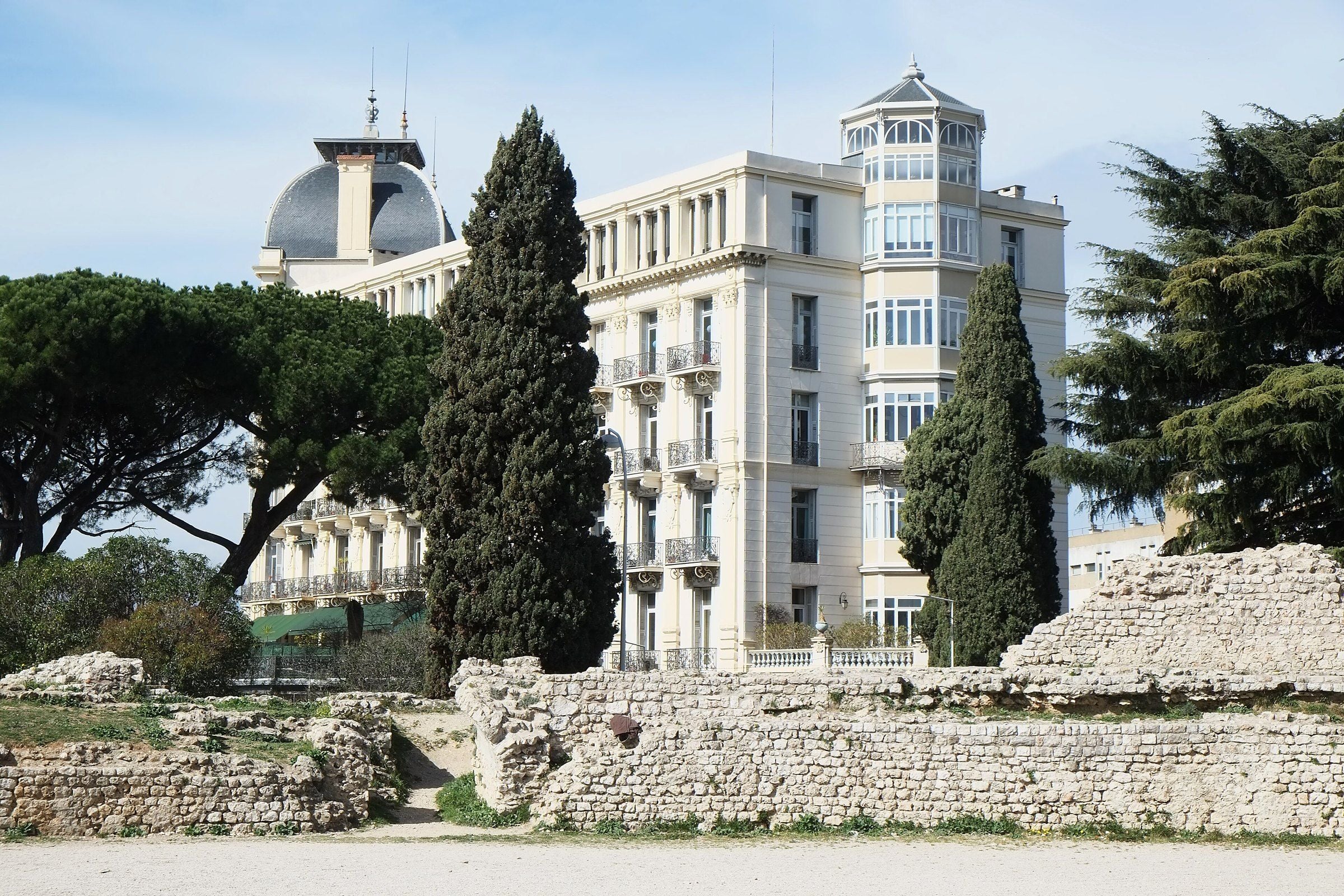
Buying a Belle Époque apartment in Nice: what to look for
Photo: GFreihalter · CC BY-SA 4.0 · edited
Photo: GFreihalter · CC BY-SA 4.0 · edited
High ceilings, mouldings, parquet and wrought-iron balconies: the Belle Époque apartment is the classic home of Nice. Here is where to find them, what makes a good one, and what to check before you buy.

Ask ten buyers what they picture when they think of an apartment in Nice, and most will describe the same thing: tall windows, a ceiling rose, a marble fireplace and a balcony with a wrought-iron railing above a tree-lined street. That is the Belle Époque apartment, and Nice has more of them than almost any city on the Mediterranean.
They are also some of the most consistent homes to own here. There will never be more of them, they sit in the most central districts, and good ones find a buyer in every market. This guide explains what to look for, and what to look out for.
What Belle Époque means in Nice
The Belle Époque is the period from the 1870s to the First World War. For Nice it was the making of the city: the railway arrived in 1864, and with it the winter visitors from Britain, Russia and northern Europe who came for the light and the mild air. Whole districts were laid out for them within a few decades, with apartment buildings, villas and grand hotels designed to impress.
Many of those hotels have since become apartments. The Régina in Cimiez, built in the 1890s and long associated with Queen Victoria’s winters in Nice, is the best-known example. The ordinary apartment buildings of the period are less famous but just as carefully made, and they are what most buyers will be looking at.
Where to find them
- The Musicians’ Quarter: the largest concentration, on wide streets named after composers. Central, level and a short walk from the station and the sea.
- The Carré d’Or: the most sought-after addresses, between the Promenade des Anglais and Boulevard Victor Hugo, with the shops of Rue Paradis at the door.
- Cimiez: the hill of the former palace hotels, with larger apartments, gardens and views, and a quieter, residential feel.
- Wilson and the centre: handsome buildings around Place Wilson and towards the Old Town, often at a lower price per square metre than the Carré d’Or.
- Mont Boron: mostly villas from the period, some of them divided into apartments with gardens and sea views.
For how daily life differs between them, see our guide to the neighbourhoods of Nice.
The details that make them
What sets these apartments apart is proportion. Ceilings are typically three metres or more, rooms open into one another through double doors, and windows reach almost from floor to ceiling. The details follow from that:
- Plasterwork: cornices and ceiling roses, often different in each reception room.
- Floors: oak parquet, frequently in a herringbone pattern, and patterned cement tiles in halls and kitchens.
- Fireplaces: marble surrounds with their original mirrors above.
- Balconies: wrought-iron railings, often running the width of the building on the second and fifth floors.
- Entrances: carved doors, stained glass and stone staircases with their original lift cage.
Original details that are intact add real value, and they are expensive to recreate once removed. An apartment that has kept its mouldings, floors and doors but needs a new kitchen and bathrooms is usually a better purchase than one that was “modernised” by taking them out.
What to check before you buy
The charm is easy to see at a viewing. These are the things that are not:
- The lift. Not every building has one, and those that exist are often small. A fourth floor without a lift is priced accordingly, and is harder to resell.
- The façade and the roof. Owners share the cost of maintaining them, and a façade restoration on a decorated building is a significant sum. Ask whether works have been voted or are being discussed.
- The co-ownership. Read the minutes of the last three general meetings and the annual charges. They show how the building is run, what is coming, and whether the owners agree with one another.
- The energy rating. High ceilings and old windows mean many of these apartments rate E, F or G. That matters if you plan to let: the lowest-rated homes are being phased out of the rental market, G since 2025 and F from 2028. Double glazing in the original style, insulation and a modern heating system can lift the rating, but changes to a protected façade need permission.
- Electricity and plumbing. An apartment that has not been renovated for decades may need both redone. That is routine work, but budget for it.
- Orientation and floor. South and west-facing rooms and upper floors are worth more, and the difference shows most in winter, when the lower floors on narrow streets get little sun.
- Parking. Rare in buildings of this age. A garage nearby, bought separately, is the usual answer.
For what the purchase costs on top of the price, see the real costs of buying a home on the French Riviera.
Renovating one
Most buyers do some work, and these apartments reward it. Kitchens are often moved from the back of the apartment to a room on the street side, bathrooms are added, and old service rooms become a second bedroom or a study. Inside your own apartment you are largely free, though anything that touches the structure, the façade or the shared parts needs the agreement of the co-owners and sometimes of the city.
A sound rule is to modernise what is technical and keep what is architectural: new wiring, heating, kitchen and bathrooms; restored floors, doors, mouldings and fireplaces.
Do they hold their value?
Supply is fixed, the locations are the city’s most central, and both French and international buyers look for them. Within the category, the apartments that hold their value best are those on upper floors with a lift, a balcony or terrace, good light and their original details. They are also the ones that let most easily, for those who rent their home out for part of the year.
Frequently asked questions
Where are the Belle Époque apartments in Nice?
Mainly in the Musicians’ Quarter, the Carré d’Or, Cimiez and around Place Wilson, with villas of the same period on Mont Boron.
Do Belle Époque buildings in Nice have lifts?
Many do, added later in the stairwell, but not all, and they are often small. Check before you fall for a top-floor apartment.
Are Belle Époque apartments expensive to run?
Charges vary with the building: a caretaker, a lift and a decorated façade all cost more to maintain. Heating bills depend on the energy rating, which can often be improved.
Can I renovate a Belle Époque apartment?
Yes. Work inside the apartment is largely up to you; anything affecting the structure, the façade or shared parts needs the co-owners’ agreement and sometimes planning permission.
Looking for a Belle Époque apartment in Nice? See what we have for sale, or tell us what you are looking for: many of the best ones change hands before they are advertised.
This article provides general information and does not constitute legal or tax advice. Rules, rates and thresholds change; always confirm the details of your own sale or purchase with your notaire or tax adviser.
Buying on the French Riviera
How a purchase works in France, the costs to plan for beyond the price, and how to choose the right area.
More from Articles
Selling your home in Nice: the process, step by step
From the first valuation to the day the keys change hands, selling a home in France follows a clear path. Here is what happens at each step, what you need to prepare, and how long it takes.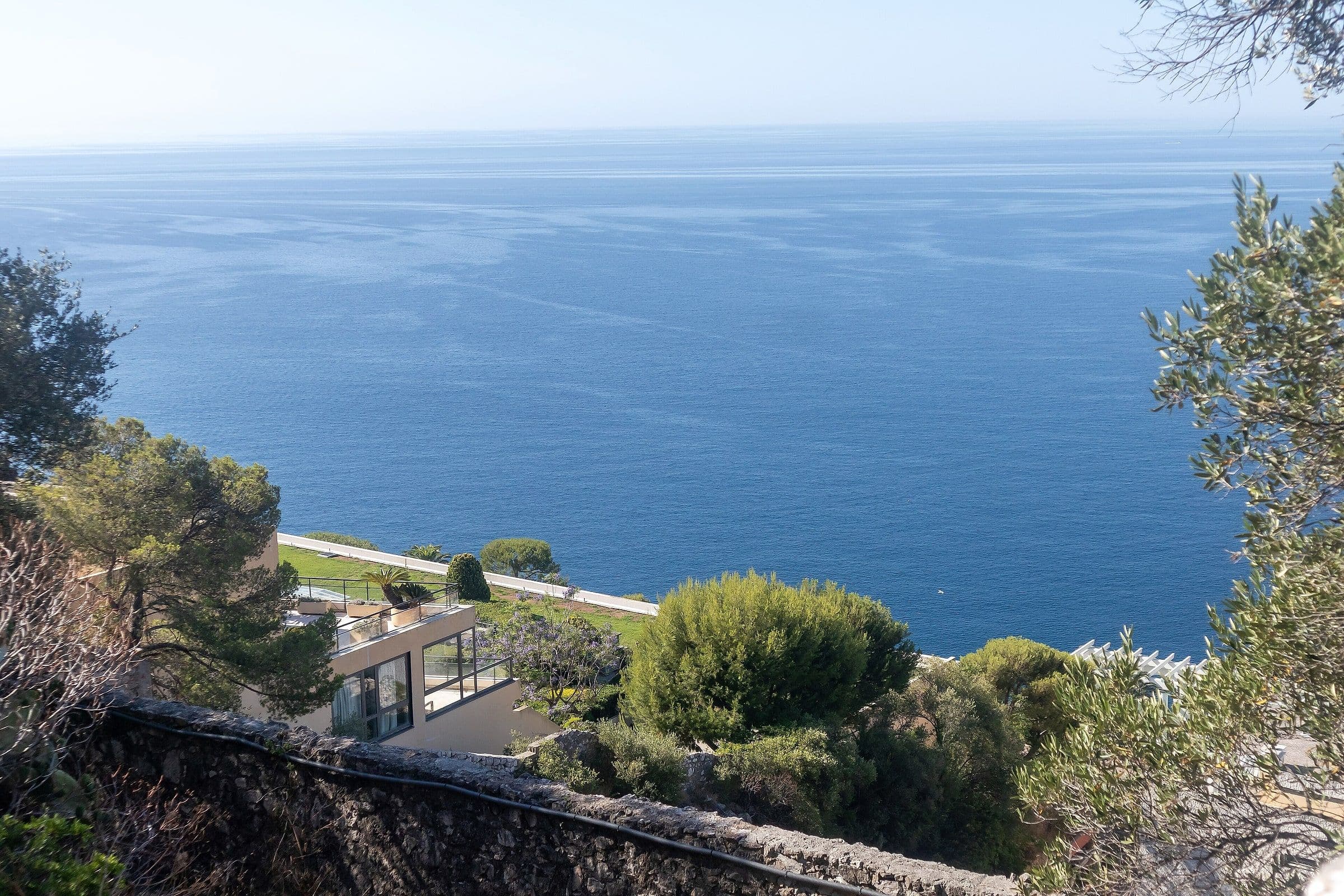
Living on Mont Boron: Nice’s green hill above the sea
Between the Port of Nice and the bay of Villefranche rises a wooded hill of villas, gardens and long views over the Mediterranean. Here is what it is like to live on Mont Boron, and what to know before you buy there.