
Selling your home in Nice: the process, step by step
From the first valuation to the day the keys change hands, selling a home in France follows a clear path. Here is what happens at each step, what you need to prepare, and how long it takes.

Selling a home in Nice is rarely complicated, but it is unfamiliar if you have not sold in France before. The process is regulated, the notaire protects both sides, and most of the work happens before the first buyer walks through the door. A well-prepared sale is usually a faster one, and at a better price.
This guide takes you through the sale in the order it happens, from the valuation to the final signature. It applies whether you live in the home, use it for holidays or let it, and whether you live in France or abroad.
The timeline at a glance
From the decision to sell to the money in your account, a sale in Nice typically takes four to six months:
- Weeks 1–3: valuation, choice of agent, diagnostics and photography.
- Weeks 3–12: marketing, viewings and offers. Well-priced homes in sought-after areas often sell faster.
- About 2–3 weeks after an accepted offer: signing of the compromis de vente.
- About 3 months later: signing of the acte de vente at the notaire, payment and handover of the keys.
Step 1: Find out what your home is worth
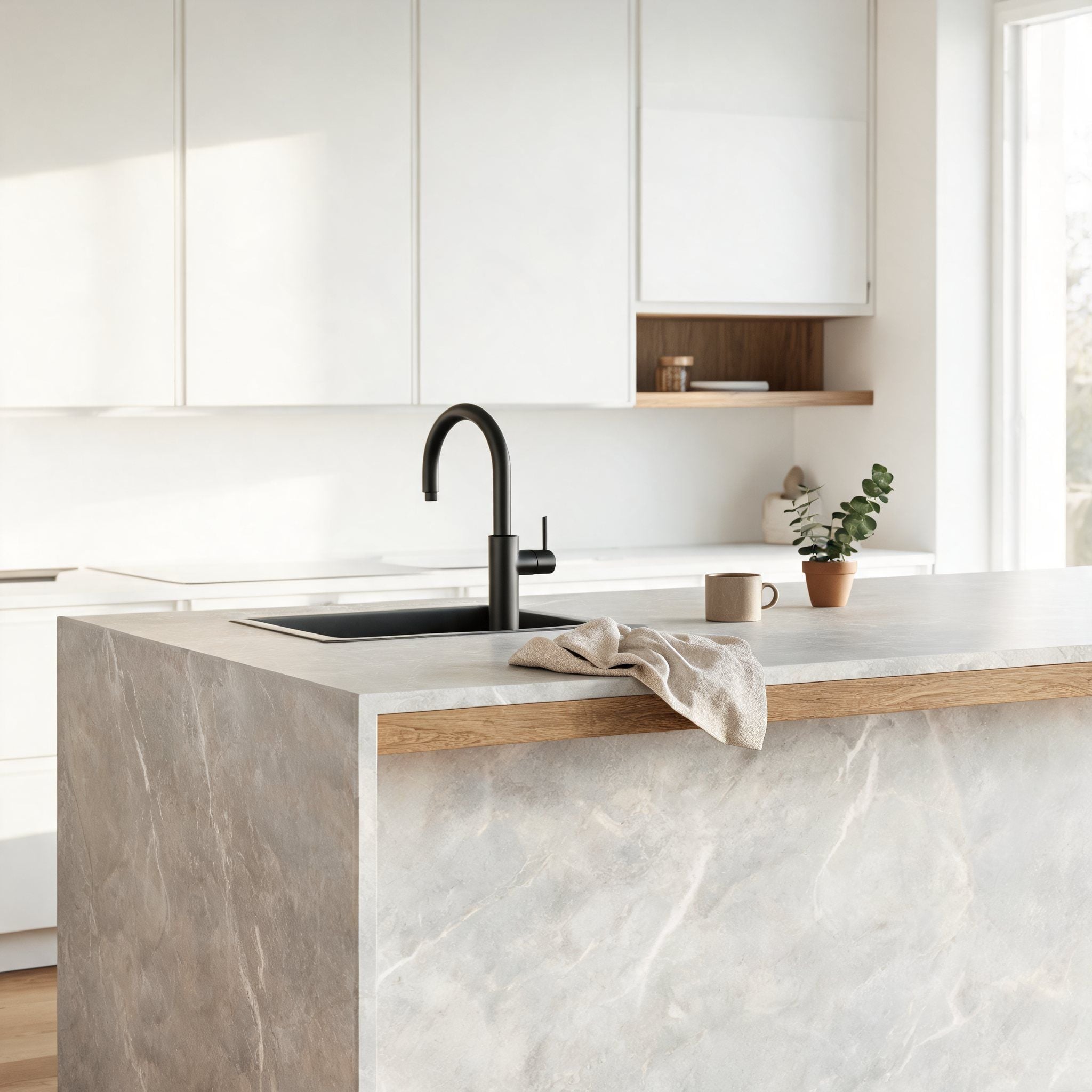
Everything starts with the price. Set it too high and the home sits on the market, collects few viewings and ends up selling for less than it would have at the right price from the start. Set it too low and you leave money behind.
A serious valuation looks at recent sales in your building and street, not at asking prices on the portals. In Nice the differences within a few hundred metres are large: floor, light, a terrace, a lift, a sea view and the condition of the building can each move the price considerably. Ask for the comparable sales behind the figure, and be wary of the agent who simply promises the highest number.
You can ask us for a valuation at any time, without obligation.
Step 2: Choose your agent and sign a mandate
In France an agent may only market your home with a written mandate (mandat de vente). There are two main kinds:
- Exclusive mandate (mandat exclusif): one agency is responsible for the sale for an agreed period, usually three months. It commits fully to photography, film, marketing and follow-up, and buyers see one consistent price.
- Simple mandate (mandat simple): several agencies, and you yourself, may sell the home. It sounds like wider reach, but the same home appearing on the portals at different prices and with different photographs tends to weaken its position.
The mandate states the asking price, the agency fee and who pays it. In Nice the fee is usually included in the advertised price and paid by the seller on completion, so you pay nothing if the home is not sold.
Step 3: Gather the documents and diagnostics
Before a home can be advertised, the seller must commission a set of technical reports, the dossier de diagnostic technique. Which ones apply depends on the age and type of the property:
- Energy performance (DPE): the rating from A to G must appear in every advertisement.
- Surface area (Loi Carrez): the certified living area of an apartment in a co-owned building.
- Asbestos and lead: for buildings completed before 1997 and before 1949 respectively.
- Electricity and gas: for installations more than 15 years old.
- Natural and other risks (ERP), and termites where the area requires it.
For an apartment you also need the co-ownership documents: the building regulations, the minutes of the last three general meetings, the charges and any works that have been voted. Buyers and their notaires read these closely, so it pays to have them complete from the first day. We help you order the reports and collect the papers.
Step 4: Prepare the home and present it well
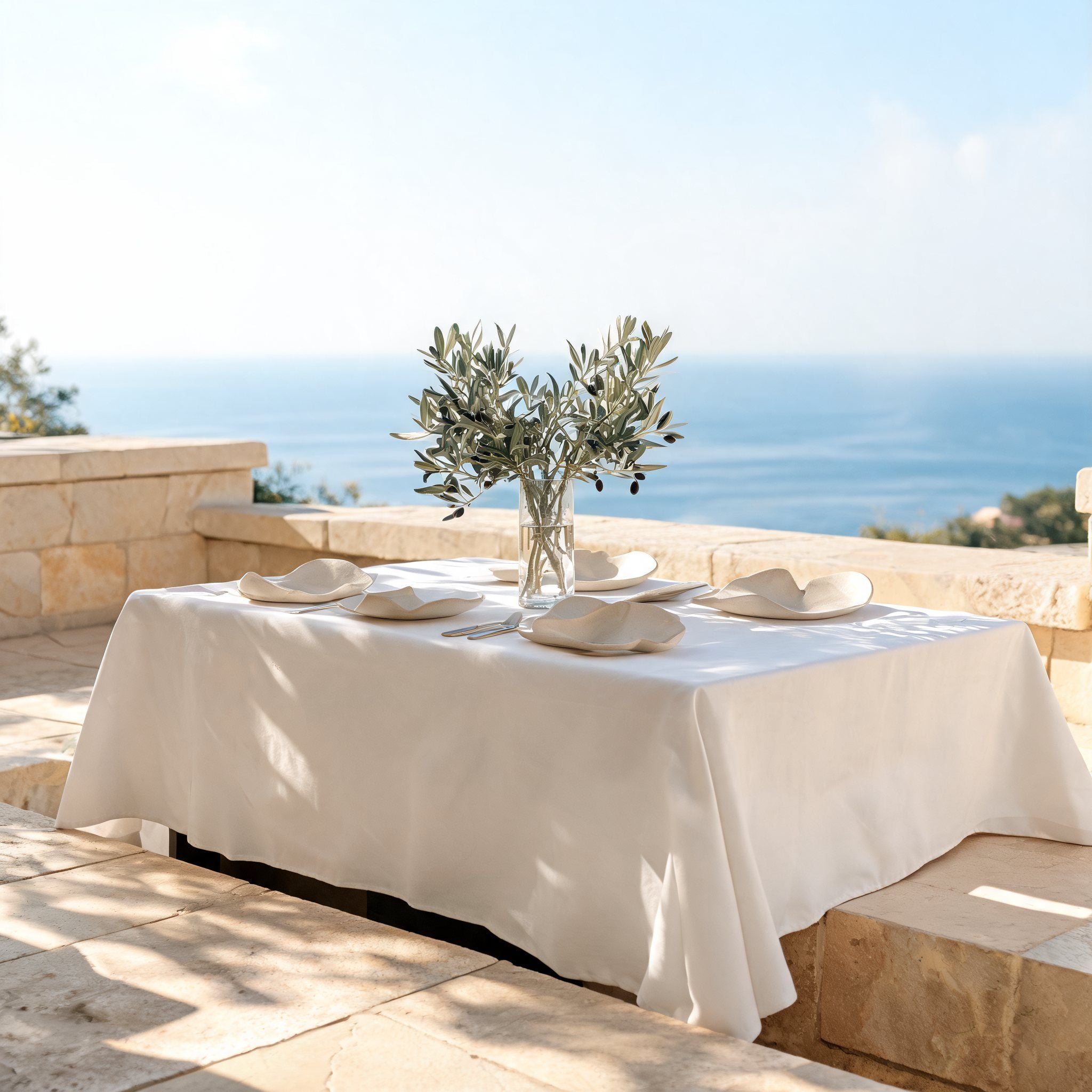
Most buyers decide whether to book a viewing from the first three photographs. Small things make a visible difference: fresh paint where it is tired, working lights in every room, cleared surfaces, open shutters. A larger renovation rarely pays for itself before a sale, but a tidy, bright home always does.
Professional photographs, a floor plan and an accurate, well-written description are the foundation. For homes where the view or the setting is the point, film shows what photographs cannot.
Step 5: Viewings and offers
We accompany every viewing, so you do not need to be there, and we report back afterwards. Before a buyer visits we ask how they will finance the purchase: an offer is only as good as the buyer’s ability to complete.
An offer is usually made in writing, with the price, how it will be financed and any conditions. You can accept it, decline it or answer with a counter-offer. The highest offer is not always the best one: a cash buyer at a slightly lower price can be the safer choice than a higher offer that depends on a large loan.
Step 6: Sign the compromis de vente
Once price and terms are agreed, buyer and seller sign the compromis de vente, the preliminary contract, normally at the notaire’s office or by electronic signature. The buyer pays a deposit, usually between five and ten per cent, which the notaire holds.
The buyer then has a ten-day cooling-off period. As the seller you are committed from the moment you sign. The contract normally contains conditions, most often that the buyer obtains the loan described; if a condition is not met within the agreed time, the sale falls away and the deposit is returned.
Step 7: Completion at the notaire
During the following weeks the notaire checks title, planning, the co-ownership accounts and the municipality’s right of first refusal. About three months after the compromis, both parties sign the final deed, the acte de vente. The buyer pays the balance, the notaire settles any mortgage on the property, the agency fee and the taxes due, and transfers the rest to you, usually within a few days. The keys change hands at the signing.
You do not have to be in Nice for either signature: a power of attorney to the notaire’s office is common, particularly for owners who live abroad.
Tax on the sale: the essentials
Whether you pay capital gains tax depends on how you have used the home:
- Your main residence is exempt from capital gains tax.
- A second home or a rental property is taxed on the gain, with allowances that grow with each year of ownership after the fifth. The gain is fully exempt from income tax after 22 years and from social charges after 30.
- If you live outside France, the tax is withheld by the notaire at completion. Sellers resident outside the European Economic Area may need to appoint a tax representative, depending on the price.
The notaire calculates the tax and pays it from the proceeds at completion. Purchase costs and qualifying works can reduce the taxable gain: keep your invoices.
How Warde Property helps you sell
We value your home from real sales, prepare it for the market, present it with photographs and film, speak to buyers in their own language and stay with you through the notaire’s process to the last signature. You have one person to call throughout.
Frequently asked questions
How long does it take to sell a property in Nice?
Count on four to six months in all: a few weeks to prepare, the time it takes to find the buyer, and about three months between the compromis de vente and the final deed.
Who pays the agency fee when a home is sold in France?
It is agreed in the mandate. In Nice the fee is usually included in the advertised price and paid by the seller on completion.
Can I sell my home in Nice if I live abroad?
Yes. Viewings, negotiation and paperwork can be handled for you, and you can sign by power of attorney. The notaire withholds any capital gains tax at completion.
Do I pay capital gains tax when I sell?
Not on your main residence. On a second home or rental property the gain is taxed, with allowances for each year of ownership after the fifth and full exemption from income tax after 22 years.
Thinking of selling in Nice? Book a valuation and we will tell you what your home is worth today and how we would present it.
This article provides general information and does not constitute legal or tax advice. Rules, rates and thresholds change; always confirm the details of your own sale or purchase with your notaire or tax adviser.
Buying on the French Riviera
How a purchase works in France, the costs to plan for beyond the price, and how to choose the right area.
More from Articles
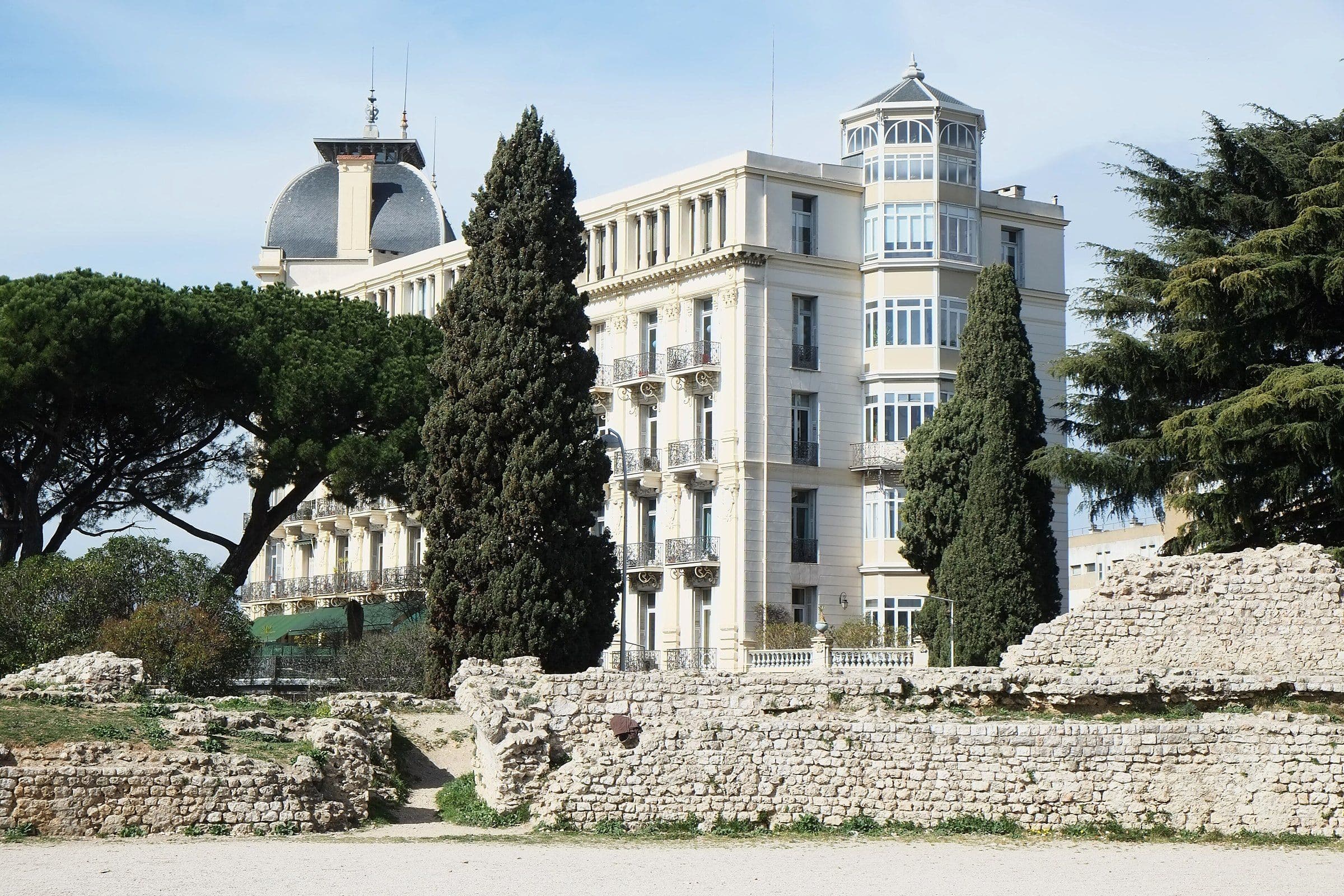
Buying a Belle Époque apartment in Nice: what to look for
High ceilings, mouldings, parquet and wrought-iron balconies: the Belle Époque apartment is the classic home of Nice. Here is where to find them, what makes a good one, and what to check before you buy.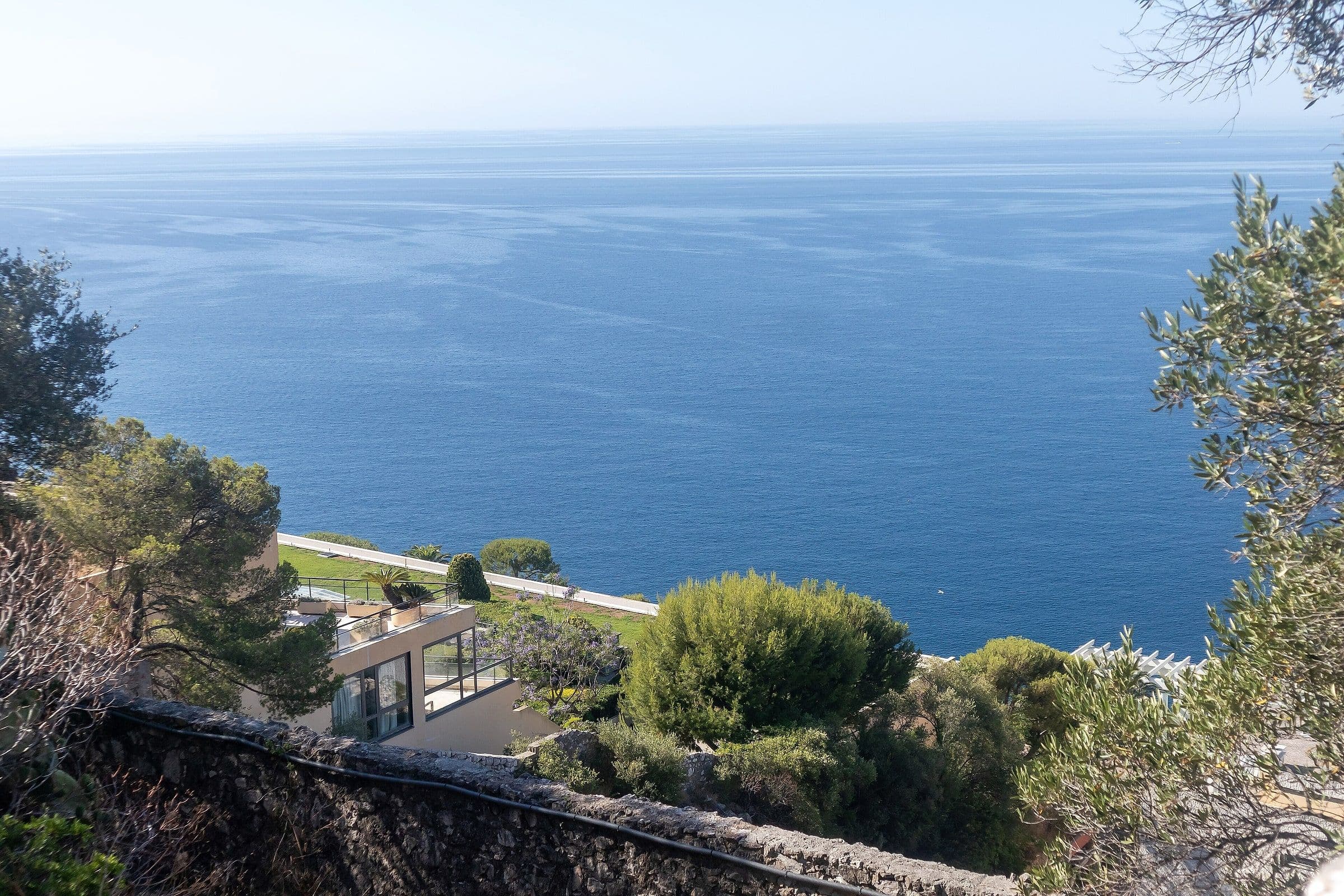
Living on Mont Boron: Nice’s green hill above the sea
Between the Port of Nice and the bay of Villefranche rises a wooded hill of villas, gardens and long views over the Mediterranean. Here is what it is like to live on Mont Boron, and what to know before you buy there.