8 min read
Nice versus Cannes property investment compared
Nice versus Cannes property investment compared: prices, rental demand, lifestyle and the local factors that should shape a considered Riviera purchase.
A Nice versus Cannes property investment decision is rarely settled by a map. The two cities are only a short distance apart along the coast, yet they serve different buyers, produce different patterns of demand and ask different things of an owner. The better choice is the one that fits your intended use of the property, your time horizon and the practical work you are willing to undertake.
For a buyer living abroad, the question is often more precise: should the property be a place to use regularly, a home that can be rented when empty, or an investment held mainly for long-term value? Once that is clear, the comparison becomes much more useful.
Nice versus Cannes property investment: the essential difference
Nice is a working city as well as a Riviera destination. It has a major airport, two tram lines, universities, hospitals, shops open through the year and a broad local population. This creates demand from professionals, students, relocating households, retirees and second-home owners, alongside visitors. Property can therefore have a useful year-round rationale, especially in central areas with good transport and everyday amenities.
Cannes is more compact in character and more closely associated with the seasonal Riviera economy, the Palais des Festivals and its calendar of international events. Demand can be very strong in the right locations, particularly around La Croisette, the Carré d’Or, Banane and Californie. A well-positioned flat with a terrace, sea view or easy walk to the Palais may appeal to buyers and short-stay guests alike, but its price will often reflect that appeal from the outset.
Neither city is simply better. Nice usually offers more variation in entry price, building type and year-round use. Cannes can suit an owner who values a concentrated resort setting and is prepared to pay for a limited number of sought-after addresses.
Purchase prices: compare areas, not city averages
A city-wide price per square metre can be useful as a first reference, but it is a poor basis for deciding what to buy. In Nice, the difference between a quiet street in the Musiciens, a period building in the Carré d’Or, a family flat in Cimiez and a sea-facing address on the Promenade des Anglais can be substantial. So can the difference between a renovated top-floor flat and an otherwise similar home requiring complete works.
Cannes has the same issue in a more compressed geography. A modest distance from La Croisette or the old port can alter the market considerably. The Suquet offers charm, ochre lanes and proximity to the centre, but access, stairs and parking deserve careful attention. Californie has Belle Époque villas among the pines and elevated views, while Palm Beach has a different rhythm again, with beaches and a more residential atmosphere.
In both cities, condition matters more than many overseas buyers expect. Renovation costs, building maintenance, energy performance and copropriété charges can quickly change the real cost of ownership. A lower asking price is not automatically value if the façade is due for restoration, the lift needs replacing or the property has a poor energy rating.
For that reason, it is sensible to assess each purchase in three figures: the agreed price, the full acquisition cost including notaire fees and any agency fees, and a realistic allowance for works and annual ownership costs. The first number attracts attention; the other two determine whether the purchase remains comfortable.
Rental demand is not the same as rental income
Cannes has an obvious advantage for certain short-term lettings. Major events can create exceptionally high demand for centrally located, well-presented homes. However, a few busy weeks do not make a year-round rental strategy. Owners should allow for quieter periods, management fees, linen and cleaning, local registration requirements, tax, wear and tear, and the time required to maintain a reliable standard.
Nice has a broader rental base. The airport, business activity, university population and hospitals support longer stays as well as tourism. A two-bedroom flat close to the tram in Libération, Riquier, the Port or the city centre may appeal to different tenant groups at different times of year. That breadth can make income less dependent on a single event calendar, although returns still depend on the purchase price and the quality of the property.
Short-term letting rules must be checked before relying on projected income. Regulations can differ between communes and may depend on whether the home is a principal residence or a second home. Building rules also matter: some copropriétés restrict certain forms of furnished letting. A promising rental estimate should be treated as a working assumption until the local rules, the règlement de copropriété and the practical management costs have been reviewed.
Longer-term furnished or unfurnished letting can be more predictable, but it brings a different set of obligations and may reduce personal use of the home. It is not a lesser option. For some owners, particularly those who visit only occasionally, stable occupancy and lower turnover are worth more than chasing peak-season rates.
Lifestyle use often decides the better investment
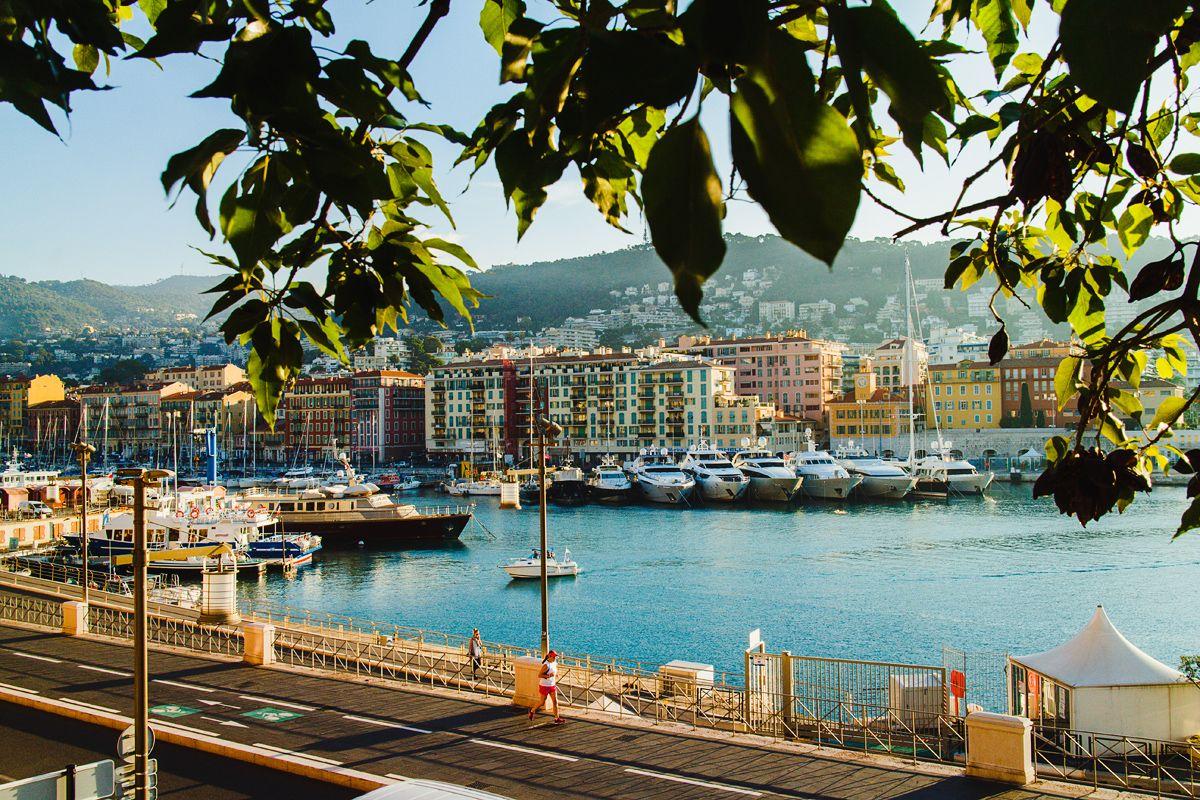
If you expect to use the property frequently, Nice’s transport network can be decisive. From many central areas, the airport, railway station, Old Town, beach and everyday shops are straightforward without a car. The city also offers distinct settings: the broad seafront of the Promenade, baroque squares in Vieux-Nice, the market atmosphere of Libération and the quieter, greener streets of Cimiez.
Cannes works particularly well for buyers who want a polished seaside base where much of life happens on foot. The harbour, beaches, restaurants and Rue d’Antibes are close together. During the busiest festival periods, however, the very central locations that make a property attractive can also mean traffic, noise and restricted access. That may be part of the appeal for an investor, but less so for a family seeking a calm holiday home.
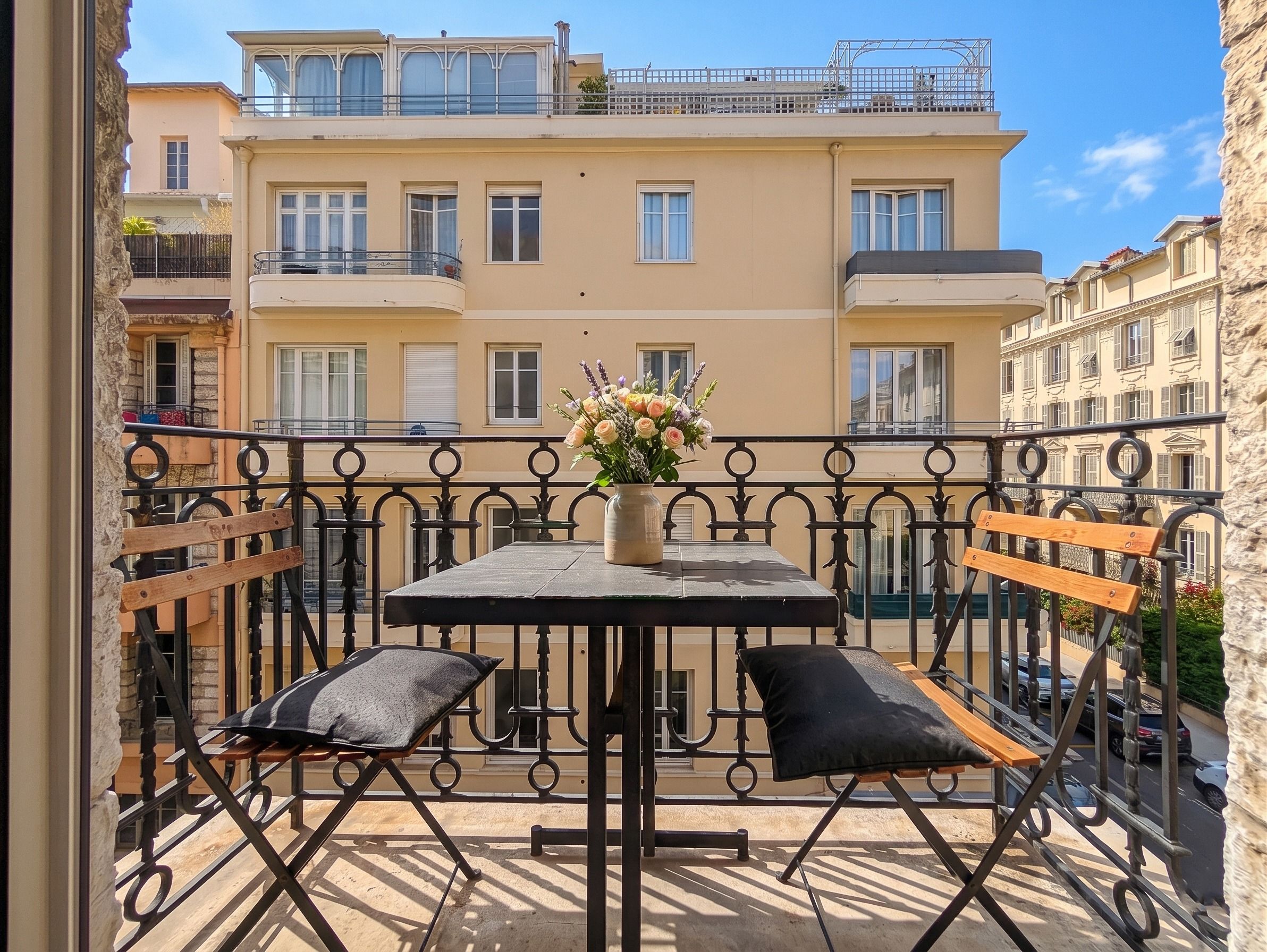
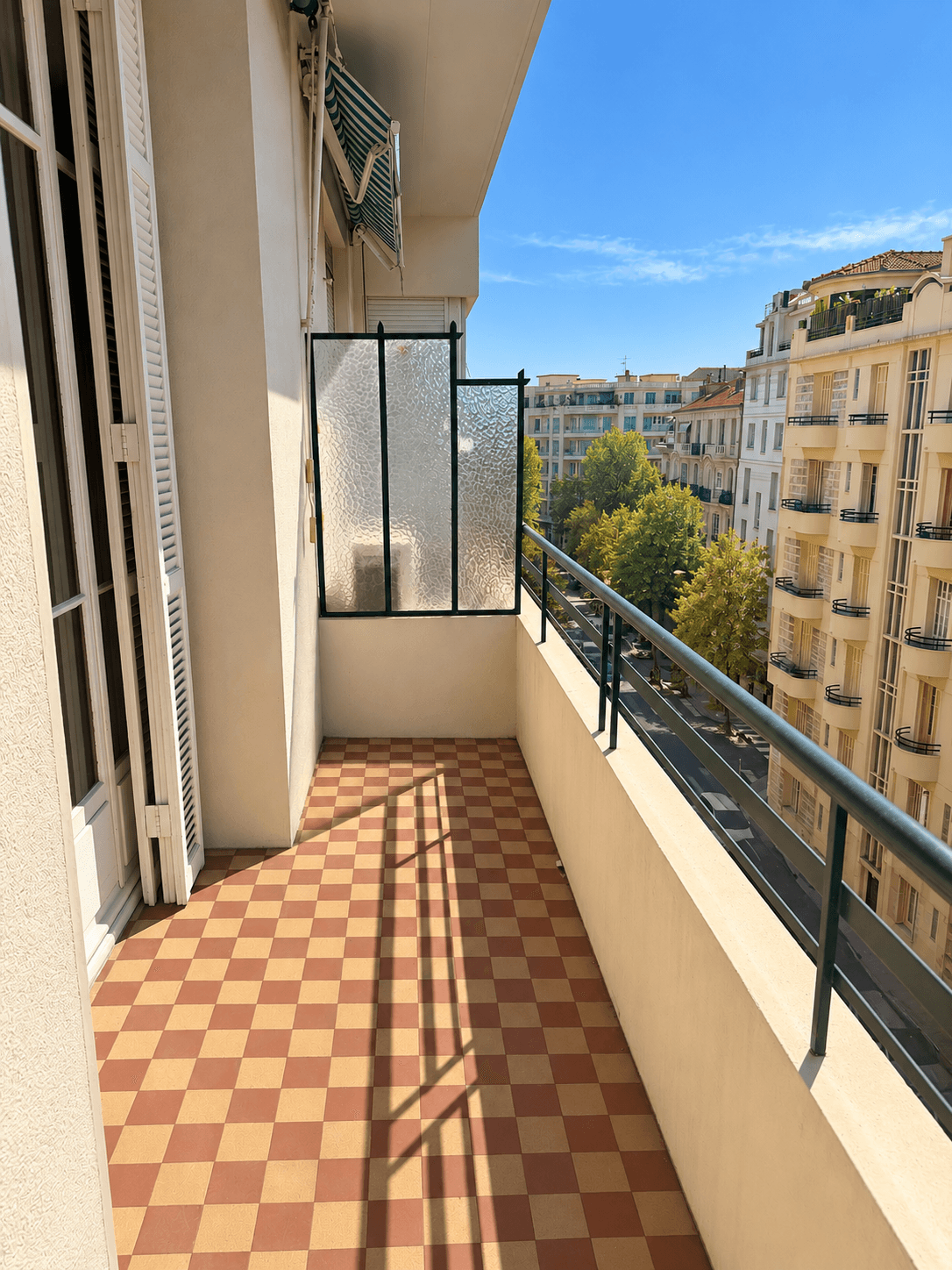
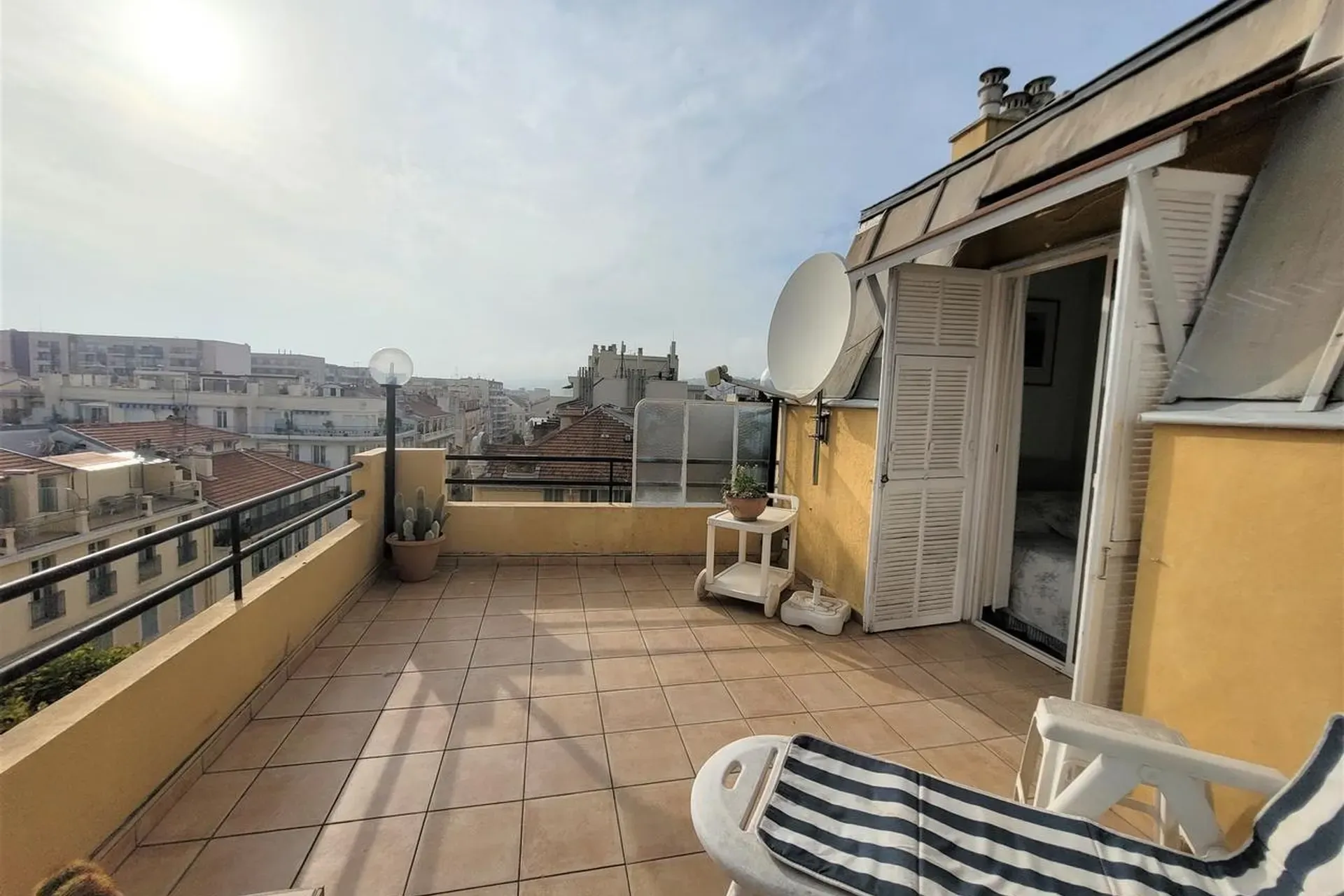
Consider the practical journey, not just the view from the terrace. How will you arrive from the airport? Is there a lift? Can guests park? Is the beach walk pleasant in August and manageable in January? Does the flat receive enough winter light? These are the details that shape use, resale appeal and rental reviews.
Building quality and energy performance deserve close attention
The Côte d’Azur has beautiful older housing stock, but period charm needs an informed reading. High ceilings and original tiles can be valuable features. They can also sit alongside single glazing, ageing electrics, poor insulation or high common charges. In a coastal building, salt air and exposure add another reason to study the condition of shutters, façades and terraces carefully.
The diagnostic report, including the DPE energy rating, should form part of the decision rather than an afterthought. French restrictions on renting poorly rated homes are being introduced progressively, and improvement works are not always simple in a shared building. A buyer should ask what has already been approved by the copropriété, what is planned, how it will be funded and whether permissions would be needed for intended alterations.
This applies in both Nice and Cannes. The difference is that a Cannes buyer paying a premium for address and view may have less room in the budget for unexpected works. In Nice, a well-chosen property slightly outside the most expensive streets may leave more scope to improve its condition and long-term appeal.
Which buyer tends to suit each city?
Nice can be a strong fit for a buyer seeking flexibility: a pied-à-terre used throughout the year, a relocation base, a home for family visits or a property with potential for longer stays. It also offers a wider choice of areas, which means the search can be matched more closely to budget and lifestyle rather than concentrated in a few famous addresses.
Cannes may suit a buyer focused on the resort market, major-event demand or a highly walkable coastal base. It can be a compelling choice where the property itself has clear scarcity - a good terrace, open view, proximity to the Palais or a desirable residential setting - and where the owner understands that these attributes are reflected in both price and expectations.
For a pure investor, either city can work, but only when the numbers still make sense after purchase costs, finance, taxes, management and maintenance. A beautiful flat with weak net income may still be the right purchase if personal use is central to the decision. It should not be presented as a purely financial investment.
Make the decision from the street upwards
A useful search begins with a clear brief: how often you will use the home, whether rental income is necessary or welcome, your preferred holding period, and the annual cost you are comfortable carrying. From there, compare actual streets and buildings rather than broad labels such as “central Nice” or “Cannes near the beach”.
Before making an offer, review the minutes of recent copropriété meetings, projected works, charges, energy reports, access, parking and the rules that affect your intended use. These documents often reveal more than a glossy set of photographs.
The right Riviera purchase should feel good when you arrive with a suitcase, but it should also remain sensible when the annual bills, building decisions and resale market come into view. A calm, street-by-street assessment usually gives a clearer answer than choosing between Nice and Cannes on reputation alone.

Written by Joacim Örhall, Property Advisor & Director.