How to prepare your Nice apartment for sale
Prepare a Nice apartment for sale with practical advice on pricing, presentation, diagnostics and viewings, shaped by the realities of each quartiers.

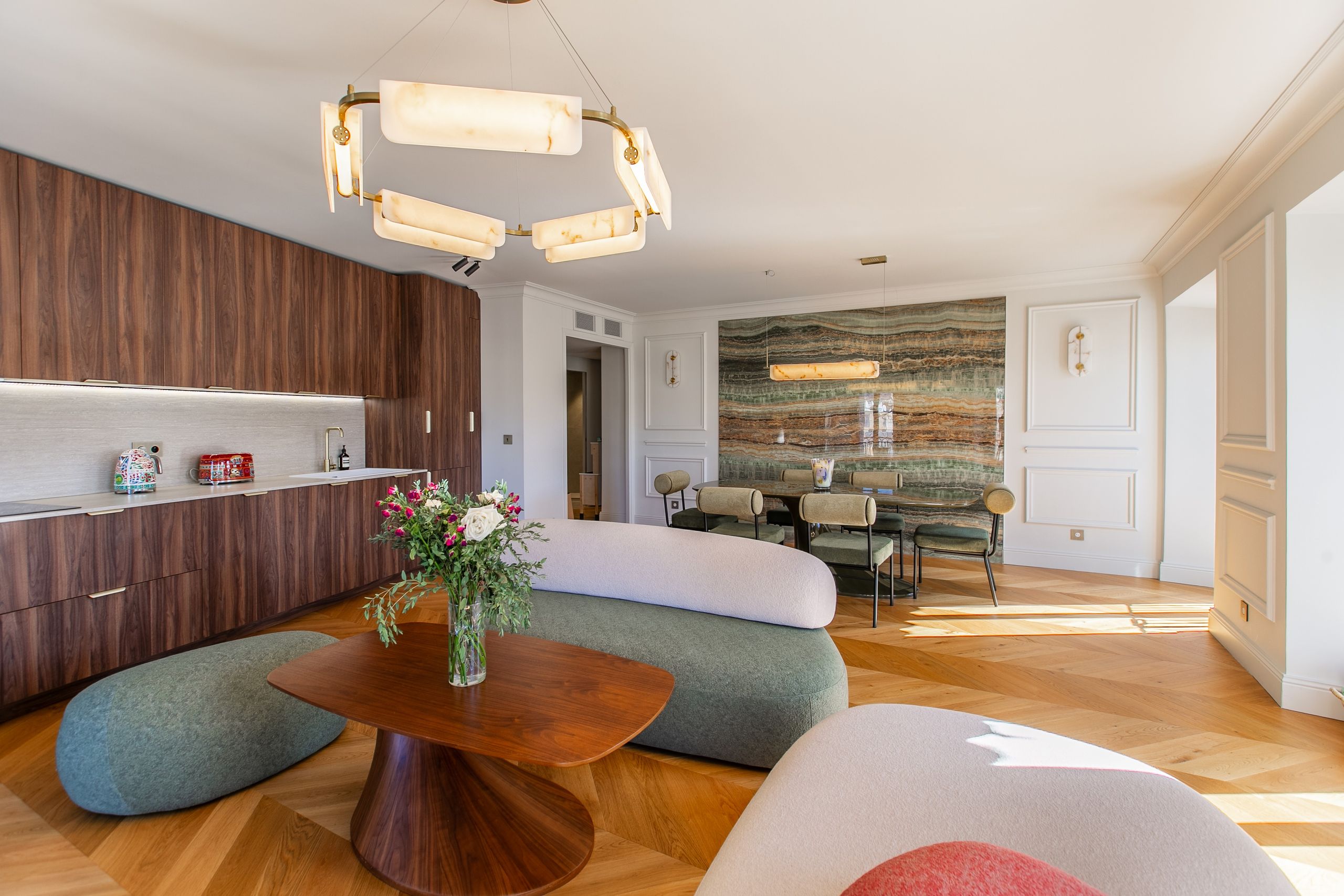
A well-prepared flat tends to attract better questions, stronger viewings and more confident offers.
To prepare a Nice flat for sale is not simply a matter of decluttering before photographs. It means presenting the property honestly, setting a price that reflects its precise address and condition, and having the French paperwork ready before a serious buyer asks for it.
Nice is a city of very different micro-markets. A quiet top-floor flat near Parc Chambrun will be assessed differently from a period flat in the Musiciens, a sea-view pied-à-terre in Mont Boron or a rental investment close to the Libération market. Good preparation gives buyers the information they need to see the value clearly.
Start with a realistic value for your Nice flat
The asking price shapes the whole sale. Set it too high and the first weeks, when a listing has the greatest attention, can pass without meaningful interest. Set it too low without a clear strategy and you may leave money on the table.
A useful valuation looks beyond average prices per square metre. In Nice, the exact street, floor, lift, exterior space, outlook, noise level and condition of the building can all materially affect value. Two flats of the same size, a few streets apart, may appeal to entirely different buyers.
Recent completed sales are more useful than ambitious asking prices, but they still need interpreting. A south-facing balcony, original parquet, air conditioning or a well-run copropriété can change the comparison. Equally, a beautiful interior may not compensate fully for a dark ground floor or substantial building works ahead.
Be clear about what is included. Parking, a cellar, a maid’s room, furniture and an independent studio can all require separate consideration. Buyers should understand from the outset what they are buying and what they will pay for it.
Prepare a Nice apartment for sale before photography
Buyers often make their first decision from photographs, particularly those viewing from London, Copenhagen, Stockholm or Oslo. The aim is not to make a lived-in home look anonymous. It is to make its proportions, light and practical qualities easy to read.
Start with the work that will remove doubt. Repair a dripping tap, a loose socket cover, a damaged blind or a door that catches. Fresh paint is worthwhile where walls are marked or colours are highly personal. Choose a calm, light shade rather than a full redesign. Major renovations are more complicated: they can be sensible if a kitchen is clearly unusable, but they do not always return their cost. In a character building near the Port or in the Carré d’Or, some buyers would rather choose their own finishes.
Then simplify each room. Clear kitchen worktops, reduce personal photographs and put away bulky furniture that narrows a hallway or obscures a window. Do not strip every surface bare. A reading chair by a balcony door, a properly laid dining table or a few books can help a second-home buyer imagine everyday life in the flat.
Pay particular attention to features that can be difficult to show online: ceiling height, storage, shutters, double glazing, air conditioning and the condition of the communal areas. If the building entrance is less appealing than the flat itself, make sure the marketing is accurate rather than evasive. A buyer will see it at the viewing.
Let light, sound and outdoor space do their work
Nice buyers often respond to light and the possibility of living outside for much of the year. Arrange photography and viewings at a time when the terrace or balcony has its best light, without presenting a misleading picture of the sun exposure.
Open shutters, clean the glass and make exterior areas usable. A small balcony can still feel valuable with two chairs and a clear view. On a busy boulevard, close the windows for part of the viewing and explain the glazing honestly. On a quiet street behind the ochre lanes of Vieux-Nice, let visitors hear the difference.
Have the French sale documents in order
In France, buyers expect a substantial information pack before committing to the compromis de vente. Preparing it early avoids delays and demonstrates that the sale is being handled carefully.
The required diagnostic reports will depend on the property, its age and location. They commonly cover energy performance, electricity, gas, asbestos, lead, termites where applicable, natural and technological risks, and measurement under the Carrez law for lots in a copropriété. The DPE deserves particular attention because its rating appears in marketing and can influence a buyer’s financing, rental plans and future renovation budget.
For a flat, the copropriété documents are equally important. Assemble the latest annual accounts, current service charges, the rules of the building, recent general meeting minutes and information about planned works or existing loans. Buyers frequently ask about roof repairs, façade works, lift replacement, heating costs and whether short-term letting is permitted. Direct answers make a viewing more productive.
Keep recent utility bills, property tax notices and invoices for completed works available as well. If you have improved insulation, replaced windows or installed air conditioning, evidence is more persuasive than a verbal description.
Make viewings easy, not theatrical
A viewing should feel calm and unhurried. Air the flat beforehand, avoid strong scented candles and ensure the temperature is comfortable. If possible, be elsewhere during the appointment. Buyers tend to speak more openly when they are not trying to be polite to the owner.
The order of a viewing matters. Let the best aspects emerge naturally: the arrival through the building, the living room, the terrace, the bedroom quietness or the walk to the tram. A good adviser will adapt the conversation to the buyer. An investor may focus on charges, rental demand and DPE; a family may want schools, storage and the daily route to the sea or city centre.
Be ready to discuss practical limitations without defensiveness. A fourth-floor flat without a lift, restricted parking or forthcoming façade works may narrow the audience, but none automatically prevents a successful sale. The right buyer will weigh those points against the address, charm, light or price.
Decide what you will negotiate before an offer arrives
The best time to consider your lowest acceptable price is before emotions enter the discussion. Think about your preferred completion date, whether furniture is available by separate agreement, and any conditions that matter to you. If you are buying another property, avoid assuming that a buyer will accept an extended timetable without discussion.
An offer is not only a number. Its strength also depends on the buyer’s funding, any mortgage condition, their proposed completion date and their understanding of the property. A slightly lower offer from a well-prepared buyer with clear financing can be safer than a higher figure with uncertain conditions.
For sellers living abroad, appointing someone who can respond quickly in French and keep the notaire, syndication and buyer’s side aligned is particularly helpful. Delays often arise not because the sale is difficult, but because a document, signature or question has been left unanswered for too long.
Give the sale the attention it deserves
Selling a flat in Nice is a practical process, but it is also a matter of judgement. The property needs to look cared for, the price needs to be defensible and the details need to withstand scrutiny. There is no value in spending heavily on work that buyers will change, nor in concealing issues that will surface later.
A careful valuation and a clear presentation usually do more than a rush of cosmetic changes. Warde Property approaches the process with that same principle: one adviser, a limited number of clients and clear advice from the first visit through to the notaire’s signature. The aim is simply to help the right buyer understand why your flat is worth considering, and to make their decision easier.
More from Articles
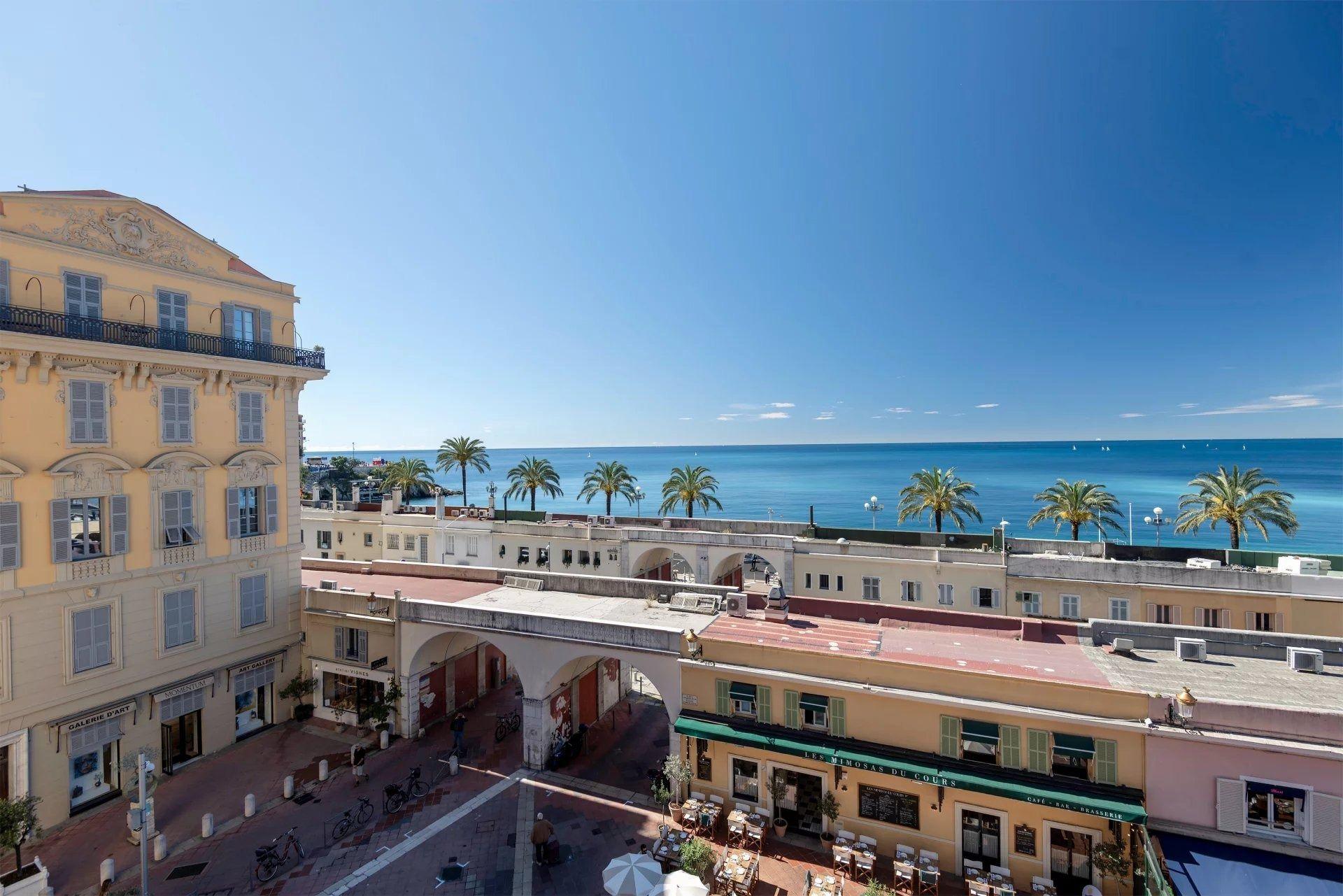
How to choose a Nice neighbourhood that fits you
Learn how to choose a Nice neighbourhood for everyday life, a second home or investment, with practical advice on streets, transport, noise and value.
How to sell French Riviera property well
Planning to sell French Riviera property? Learn how pricing, preparation, presentation and local negotiation shape a confident, well-managed sale journey.
How to choose a Nice neighbourhood that fits you
Learn how to choose a Nice neighbourhood for everyday life, a second home or investment, with practical advice on streets, transport, noise and value.How to sell French Riviera property well
Planning to sell French Riviera property? Learn how pricing, preparation, presentation and local negotiation shape a confident, well-managed sale journey.