How to choose a Nice neighbourhood that fits you
Learn how to choose a Nice neighbourhood for everyday life, a second home or investment, with practical advice on streets, transport, noise and value.

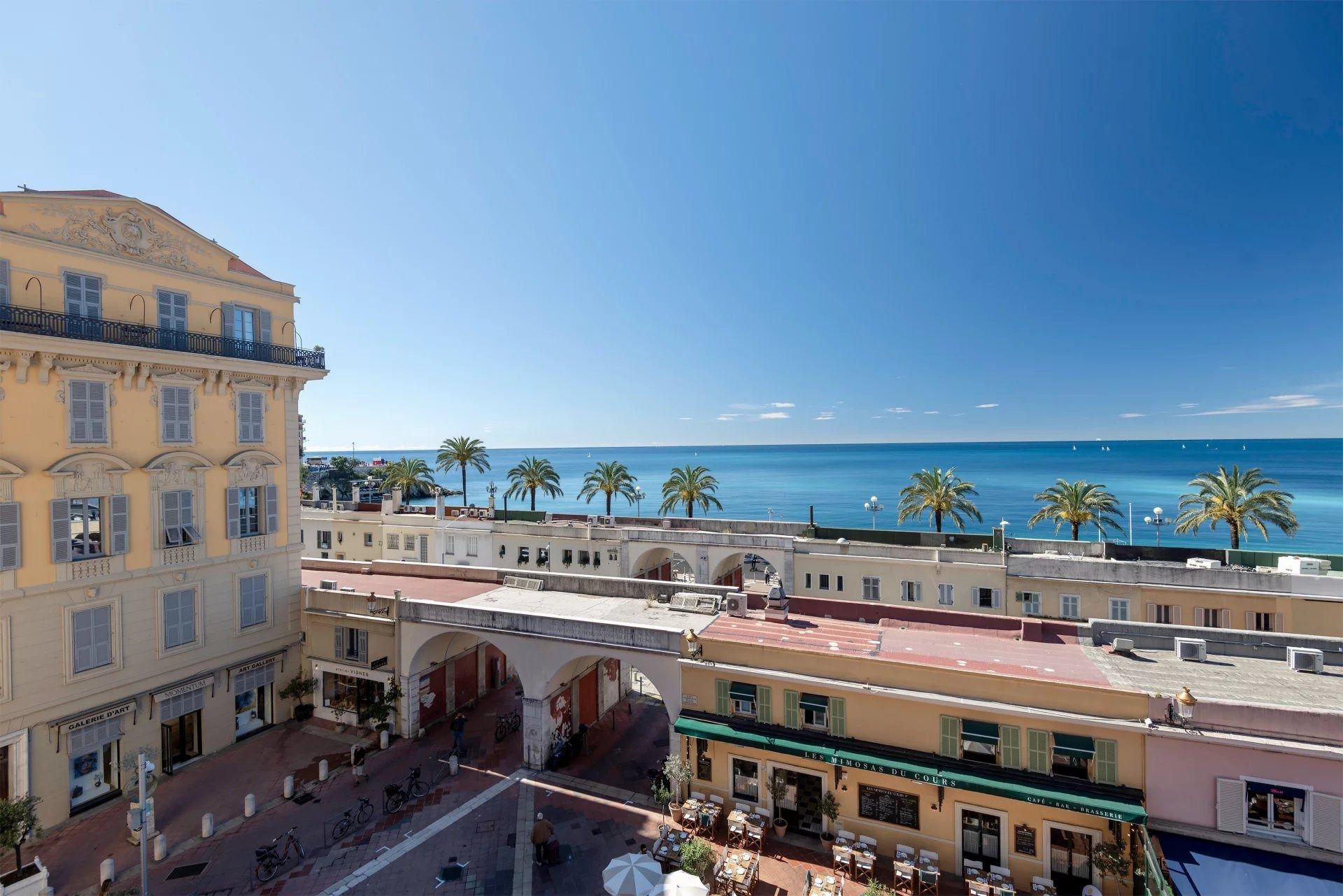
A flat on the wrong side of a beautiful quarter can change the experience of owning in Nice.
It may be a few minutes from the sea but uphill from every shop, above a busy terrace, or on a street where summer traffic and late-night scooters are part of the view. To choose a Nice neighbourhood well, start not with the postcard image, but with the life you expect to lead there.
Nice is compact on a map and remarkably varied on foot. The character can shift within two or three streets: from ochre lanes and baroque squares in Vieux Nice to broad Belle Époque avenues in the Musiciens quarter, or from the calm of Cimiez to the busy local rhythm around Libération. A good choice is therefore rarely about finding the single “best” area. It is about matching a particular address to your routines, budget and appetite for activity.
Choose a Nice neighbourhood around your real routine
A second-home buyer who arrives for long weekends may value being able to walk from the airport tram to a pied-à-terre near the Promenade des Anglais. A family relocating for the school year may prefer more space, easier parking and a reliable school run in Cimiez, Fabron or Gairaut. An investor may look more closely at year-round rental demand, public transport and the condition of the building than at a sea glimpse.
Before viewing properties, consider where you will buy bread, have coffee, swim, park, work and catch a train. Nice is a city made for daily rituals. The Cours Saleya market, the independent shops around Libération, the port’s restaurants and the small squares of the Carré d’Or all offer a different version of that life.
It also helps to be honest about how often you will use the property. If it will sit empty for much of the year, a central flat with manageable running costs and a well-run copropriété may be more sensible than a larger home in the hills. If you plan to spend several months here, storage, lift access, outdoor space and proximity to ordinary services can matter far more than a prestigious postcode.
The main Nice quarters, without the shorthand
Carré d’Or and the Musiciens
The Carré d’Or appeals to buyers who want central Nice at its most convenient. The sea, shops, restaurants and the pedestrian zone are close, while many period buildings offer high ceilings, balconies and elegant common areas. It suits a lock-up-and-leave base particularly well.
The trade-off is that convenience brings footfall, traffic and a higher price per square metre in many streets. Some addresses are peaceful, especially on upper floors or away from restaurant clusters, but this cannot be assumed. The Musiciens quarter, just north of the Carré d’Or, often provides a slightly more residential feel with handsome Belle Époque buildings and good access to the station. It is worth comparing the actual street rather than treating both quarters as one market.
Vieux Nice and the port
Vieux Nice has an energy that cannot be reproduced elsewhere: shutters above narrow lanes, food shops opening onto baroque squares, and the sea only moments away. It is ideal for buyers who want to step into the old town rather than merely visit it. Yet the old town asks practical questions. Many buildings have no lift, access by car is limited and sound travels easily between close façades. A flat that feels atmospheric during an afternoon viewing may feel very different on a Saturday night in July.
The Port offers a related but distinct appeal. It has more open streets, a working maritime character and useful tram connections, with the Mont Boron slopes behind it. Demand is strong around Place du Pin and the harbour, where restaurants and bars add life but can also add noise. Quieter pockets exist towards the eastern side of the port and the base of Mont Boron, though prices and building styles vary considerably.
Libération, Borriglione and the northern centre
For many full-time residents, Libération is one of Nice’s most practical choices. Its market, shops, tram line and local cafés support everyday life, and the railway station is within reach. The housing stock ranges from traditional Niçois buildings to more recent residences, often offering better space for the budget than the seafront quarters.
Borriglione and nearby streets share this lived-in quality, with a younger and more local rhythm. These are not areas bought chiefly for sea views. They suit buyers who prefer a functioning neighbourhood to a holiday setting, and who want to use Nice as a base throughout the year.
Cimiez, Gairaut and the hills
Cimiez is known for its quiet streets, mature gardens and grander buildings, including Belle Époque villas among the pines. It has a settled, residential character and is often considered by families, retirees and buyers seeking more privacy than the centre can offer. Some homes have fine views and generous proportions, but daily errands may require a car or a willingness to use buses and walk uphill.
Gairaut and other hillside districts can offer more greenery and space again. The compromise is distance. A property that is only a short drive from the centre may feel quite separate without a car, especially in the evening or outside regular bus hours. Check exposure as well: a broad view is attractive, but a north-facing terrace can be surprisingly cool in winter.
Mont Boron, Cap de Nice and Fabron
Mont Boron and Cap de Nice attract buyers looking for a quieter Riviera setting close to town. There are villas, smaller residences and flats with sea views, often with a more private feel than central Nice. The roads can be narrow and steep, parking deserves close attention, and each route to shops or the beach should be tested in person.
To the west, Fabron offers a different balance. It can provide larger residences, gardens, pools and easier access towards the airport, while remaining connected to the centre by tram or bus in some locations. It is less walkable in parts, so it is best for buyers whose priorities include space and calm rather than being able to stroll to the old town.
Look beyond the flat itself
In Nice, the building is as important as the flat. Ask about planned works, the condition of the roof and façade, the annual service charges, the presence and size of a lift, and whether the building has any restrictions affecting rentals or alterations. Minutes from recent copropriété meetings can reveal matters that a viewing cannot.
Noise also needs a more careful test than opening a window for thirty seconds. Visit at different times if possible. Stand on the balcony during rush hour, walk the route from the tram after dark and notice delivery access, bins, school gates and restaurant terraces. In a central location, a courtyard-facing bedroom can be a real advantage. In the hills, a garage may be worth more than an additional small room.
For buyers from abroad, it is sensible to assess practical access early. Nice Côte d’Azur Airport is unusually close to the city, but journey times vary depending on tram connections, traffic and the distance from the nearest stop. If you expect guests, ageing parents or young children to visit, stairs, gradients and parking should be assessed with them in mind, not simply yours.
Value is specific to the street
Price differences between quarters are useful as a starting point, but they are not a valuation. Two similar-looking flats can have very different values because one has open views, a functioning lift, low charges and a quiet aspect, while the other faces a busy road or has major works ahead. A renovated interior does not remove those underlying differences.
This is also why an address should be considered in the context of future resale. The best purchase is not necessarily the one with the broadest view or the most fashionable location. It is often the home whose advantages will still be clear to the next buyer: good light, sensible layout, walkability, a sound building and a location that works beyond the height of summer.
A street-by-street view is particularly useful when you are comparing properties from abroad. At Warde Property, that means discussing what an address feels like on an ordinary Tuesday in February as well as what it offers in August. The right neighbourhood should make ownership easier, not simply make the first viewing memorable.
Give yourself time to walk, revisit and compare. Nice rewards buyers who pay attention to small distances, changing gradients and the rhythm of each street. When the setting supports the way you genuinely plan to live, the property has a far better chance of feeling right long after the keys are handed over.
More from Articles
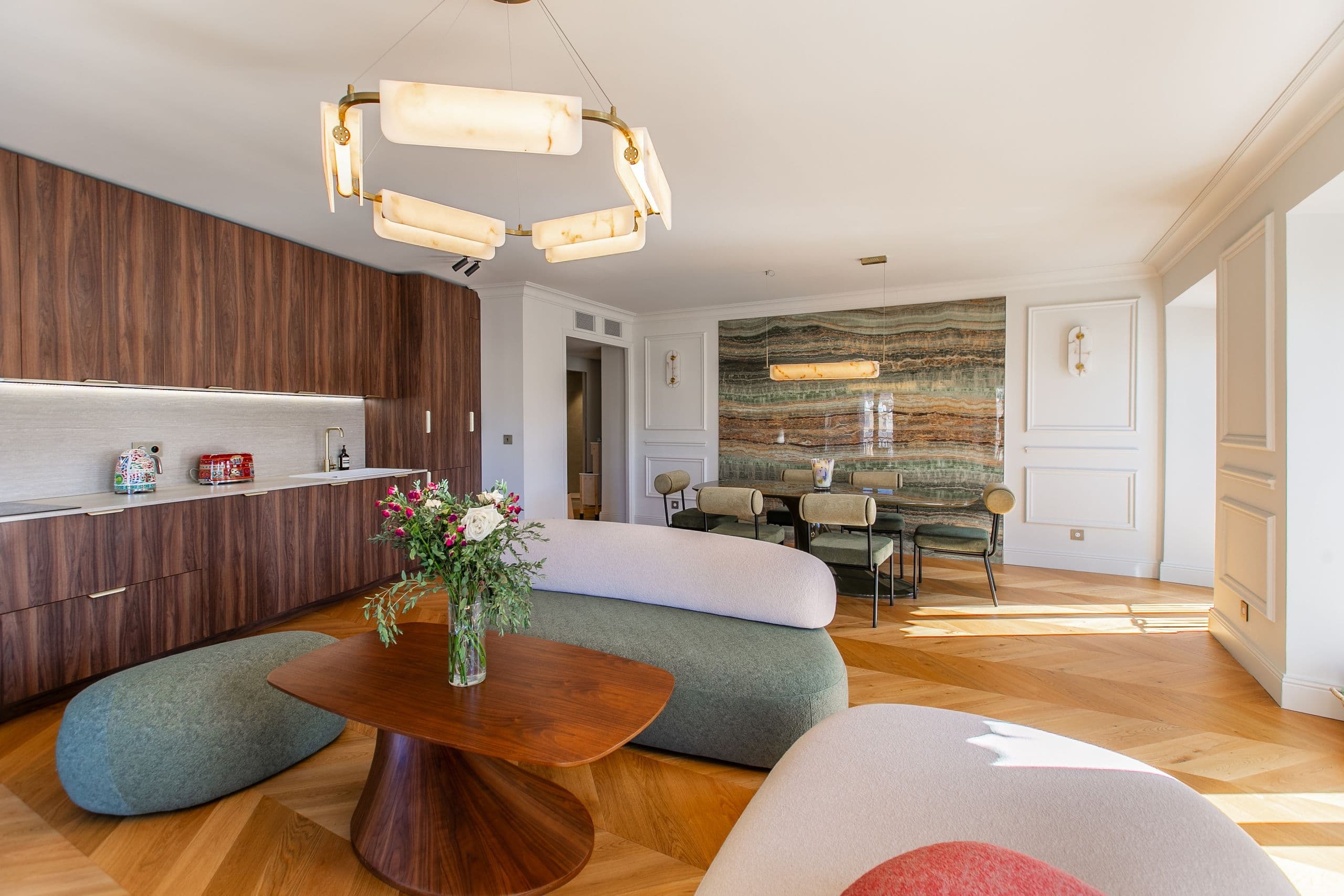
How to prepare your Nice apartment for sale
Prepare a Nice apartment for sale with practical advice on pricing, presentation, diagnostics and viewings, shaped by the realities of each quartiers.
How to sell French Riviera property well
Planning to sell French Riviera property? Learn how pricing, preparation, presentation and local negotiation shape a confident, well-managed sale journey.
How to prepare your Nice apartment for sale
Prepare a Nice apartment for sale with practical advice on pricing, presentation, diagnostics and viewings, shaped by the realities of each quartiers.How to sell French Riviera property well
Planning to sell French Riviera property? Learn how pricing, preparation, presentation and local negotiation shape a confident, well-managed sale journey.