How to sell French Riviera property well
Planning to sell French Riviera property? Learn how pricing, preparation, presentation and local negotiation shape a confident, well-managed sale journey.


A sea view can capture attention in seconds.
Converting that attention into a serious offer, however, depends on the details buyers cannot see in the first photograph: the right asking price, a credible presentation, complete paperwork and calm local representation. To sell French Riviera property well, sellers need a strategy that respects both the emotion of the location and the scrutiny of an international market.
The Côte d’Azur is not one market. A Belle Époque flat near Nice’s Musiciens quarter, a contemporary villa in Villefranche-sur-Mer and a pied-à-terre above the ochre lanes of Vieux Nice may all attract overseas interest, but they are valued, viewed and negotiated differently. A successful sale begins by treating the property as individual, rather than relying on broad regional averages.
Price the property for its exact setting
Buyers do not purchase a postcode alone. In Nice, they may pay a premium for a quiet address a few streets from the Promenade des Anglais, for lift access in the Carré d’Or, or for an open outlook in Cimiez. In the hills, parking, access, outdoor space and the condition of a road can shift perceived value considerably. Along the coast, proximity to the sea matters, but so do noise, privacy, exposure and whether a view is genuinely protected.
This is why an online estimate is only a starting point. It cannot reliably account for a top-floor position, a well-run co-ownership building, a terrace that works in afternoon sun, or the difference between a renovated period home and one requiring a full programme of works. Nor does it always recognise a drawback that local buyers understand immediately, such as difficult parking or a busy summer thoroughfare below the windows.
A considered valuation compares genuinely similar completed sales, current competing stock and the property’s particular strengths and compromises. The aim is not to choose the most flattering figure. It is to establish a price buyers can justify once they have viewed, inspected documents and taken advice.
Overpricing often costs more than an ambitious seller expects. The first weeks of marketing are when a home receives its strongest attention from active buyers and their advisers. If it lingers without traction, buyers begin to ask what they have missed. A later price reduction can be effective, but it rarely recreates the momentum of a well-positioned launch.
Prepare before the first viewing
Presentation on the Riviera should feel polished but truthful. International buyers are often looking for light, Mediterranean living and a home that feels easy to enjoy from the moment they arrive. They will respond to uncluttered rooms, fresh paint where it is needed, clean terraces, working shutters and a clear sense of how the space is used.
That does not mean every seller should undertake an expensive renovation. A dated kitchen in a character flat may be entirely acceptable if the price allows for it. Conversely, spending heavily on a generic refit can erase details that make a property memorable. The sensible question is whether each improvement will remove an immediate objection, broaden the buyer pool or materially support the asking price.
Small practical actions often have the greatest effect. Repairing a loose blind, servicing air conditioning, clearing a storage cave and trimming planting around a terrace signal that the home has been cared for. For villas, ensure the pool area, gates, drainage and exterior lighting are in good order. Buyers may fall in love with a view, but they will quickly assess the maintenance burden behind it.
The administrative file should be assembled early as well. Depending on the property, this may include the required diagnostic reports, floor plans, title information, recent taxe foncière, utility costs and details of completed works. For a flat within a copropriété, buyers commonly need co-ownership documents, recent meeting minutes, service-charge information and clarity on any planned works. If the stated surface area is relevant, the Loi Carrez measurement should be checked.
Having documents ready does more than speed up the process. It gives buyers confidence that there will be no unwelcome surprise between an accepted offer and the compromis de vente.
Market the lifestyle without inventing one
A French Riviera home is rarely purchased for square metres alone. The marketing should show why the address works in real life: the morning walk to a market, a short tram journey into central Nice, the calm beneath the pines, the convenience of a nearby beach or the pleasure of baroque squares after the summer heat has softened.
Yet lifestyle language must be matched by useful facts. Serious buyers want to know the living area, orientation, floor, lift, bedrooms, bathrooms, parking, outdoor space, charges and likely travel times. They also need an honest explanation of the building, surrounding environment and condition. A premium property description should create desire while allowing a distant buyer to make an informed decision about whether to travel for a viewing.
Photography and video deserve the same care. Bright images are valuable, but artificial wide-angle photography or views captured from an inaccessible position create distrust. A well-prepared set of images should show the arrival, principal rooms, outdoor areas, key architectural features and the outlook as it is experienced from the home.
For homes aimed at overseas buyers, fluent communication is equally important. A buyer in London, Stockholm or Geneva may have questions outside French office hours and may not understand local terms or the sequence of a French transaction. Prompt, precise answers can be the difference between curiosity and a booked viewing.
Sell French Riviera property with a measured negotiation plan
An offer is more than a number. Its reliability depends on the buyer’s financial position, proposed conditions, timetable, intended use and readiness to proceed. A lower offer from a well-prepared cash buyer with a realistic completion date may be preferable to a higher offer contingent on uncertain finance or a sale elsewhere.
This is particularly relevant for cross-border transactions. Some buyers need time to transfer funds, arrange financing through a French bank or obtain specialist advice on ownership structures. These are not necessarily warning signs, but they should be understood before terms are accepted. The right negotiation balances price with certainty, confidentiality and a timetable that works for the seller.
It also helps to agree the boundaries before interest arrives. Decide what is included in the sale, whether furniture may be discussed separately, how flexible you can be on completion and which points are non-negotiable. Clear instructions allow an agent to negotiate confidently rather than returning to the seller after every question.
A good negotiator does not manufacture pressure. They present the property’s case clearly, qualify interest and keep communication constructive when surveys, documents or finance raise questions. On the Riviera, discretion can be as valuable as reach, particularly for a family home or a second residence where sellers prefer not to have an endless stream of speculative viewings.
Stay engaged through the notaire process
Accepting an offer starts the legal phase; it does not complete the sale. The compromis de vente sets out the conditions of the transaction, after which the notaire carries out the necessary legal checks before the acte authentique is signed. Timelines vary, especially where mortgage finance, rights of pre-emption, inheritance matters or copropriété questions are involved.
Sellers can make this period easier by responding quickly to requests for information and keeping practical records accessible. If works were carried out, permits, invoices and guarantees may be useful. If the property is rented, occupied or subject to a particular arrangement, this needs careful early discussion. The goal is not to make the process complicated; it is to prevent avoidable uncertainty late in the transaction.
Warde Property approaches this stage as ongoing representation, coordinating clearly with buyers, notaires and the parties involved while keeping the seller informed of what matters and what can simply be handled in the background.
A thoughtful handover also leaves the right final impression. Meter readings, keys, remotes, building information and practical guidance for the new owner should be organised before completion. These details are modest, but they reflect the same care that made the home appealing at the start.
The strongest Riviera sale is not the one that receives the most viewings. It is the one that brings the right buyer to the table, with clear expectations, sound terms and a route to completion that feels properly managed. Start with an honest appraisal of the home and its setting, then let the quality of the preparation do the persuasive work.
More from Articles
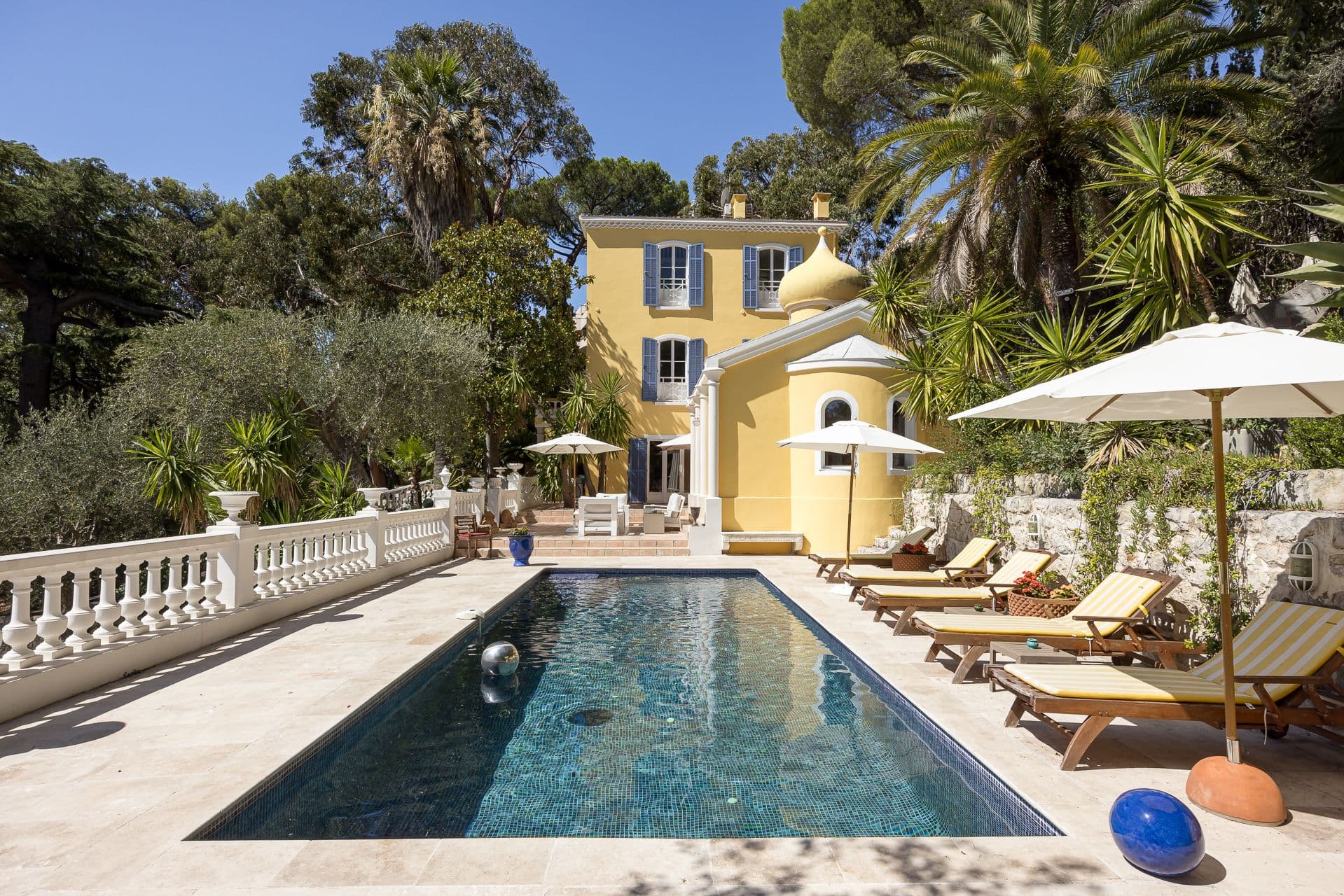
Nice real estate: choosing the right quarter
Nice real estate rewards local judgement. Learn how each quarter, building type and buying step shapes a confident Côte d’Azur purchase for overseas buyers.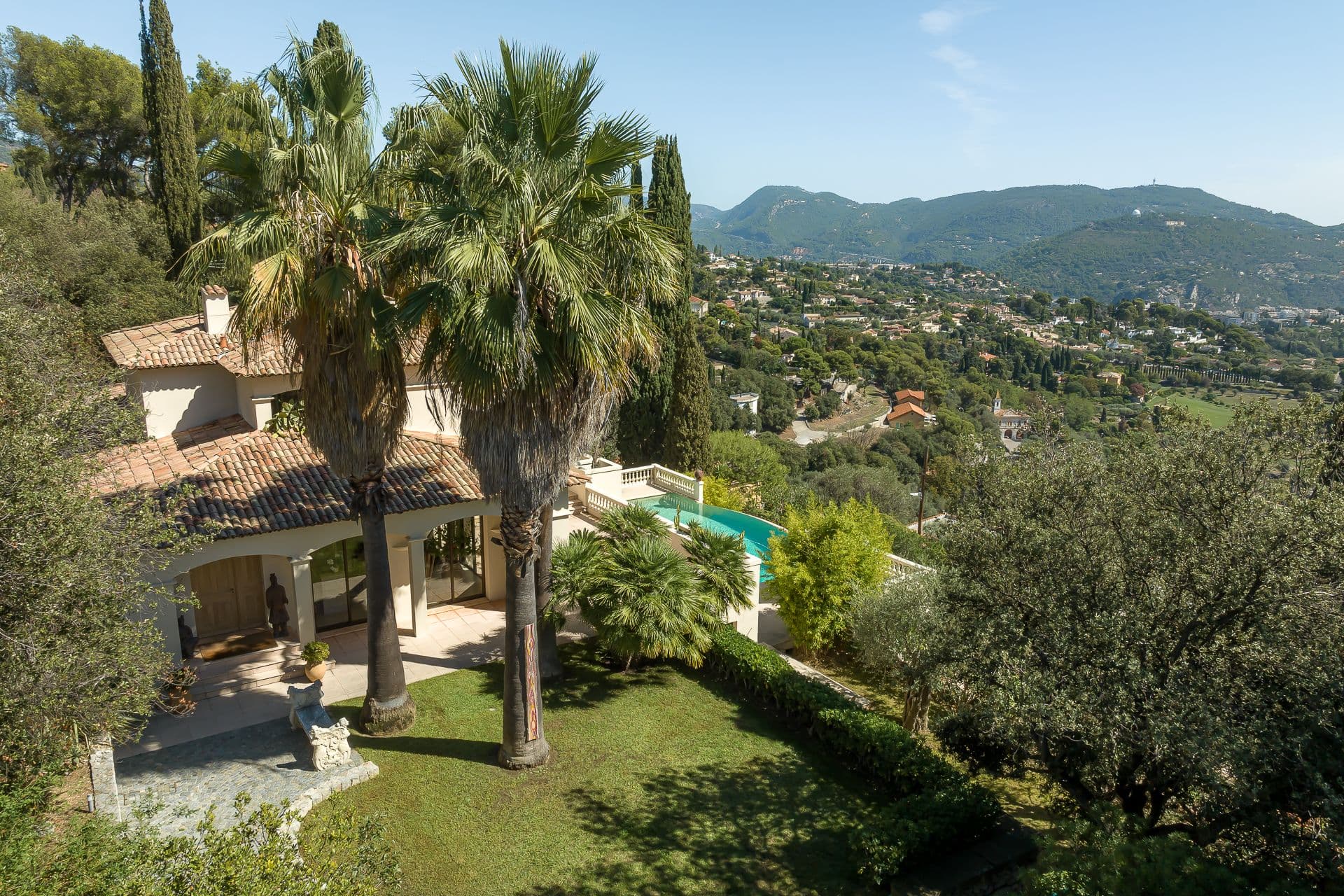
Apartment versus villa French Riviera choices
Apartment versus villa French Riviera: compare privacy, upkeep, location and rental appeal to choose a Côte d’Azur home with confidence for buyers abroad
Nice real estate: choosing the right quarter
Nice real estate rewards local judgement. Learn how each quarter, building type and buying step shapes a confident Côte d’Azur purchase for overseas buyers.Apartment versus villa French Riviera choices
Apartment versus villa French Riviera: compare privacy, upkeep, location and rental appeal to choose a Côte d’Azur home with confidence for buyers abroad