Nice real estate: choosing the right quarter
Nice real estate rewards local judgement. Learn how each quarter, building type and buying step shapes a confident Côte d’Azur purchase for overseas buyers.

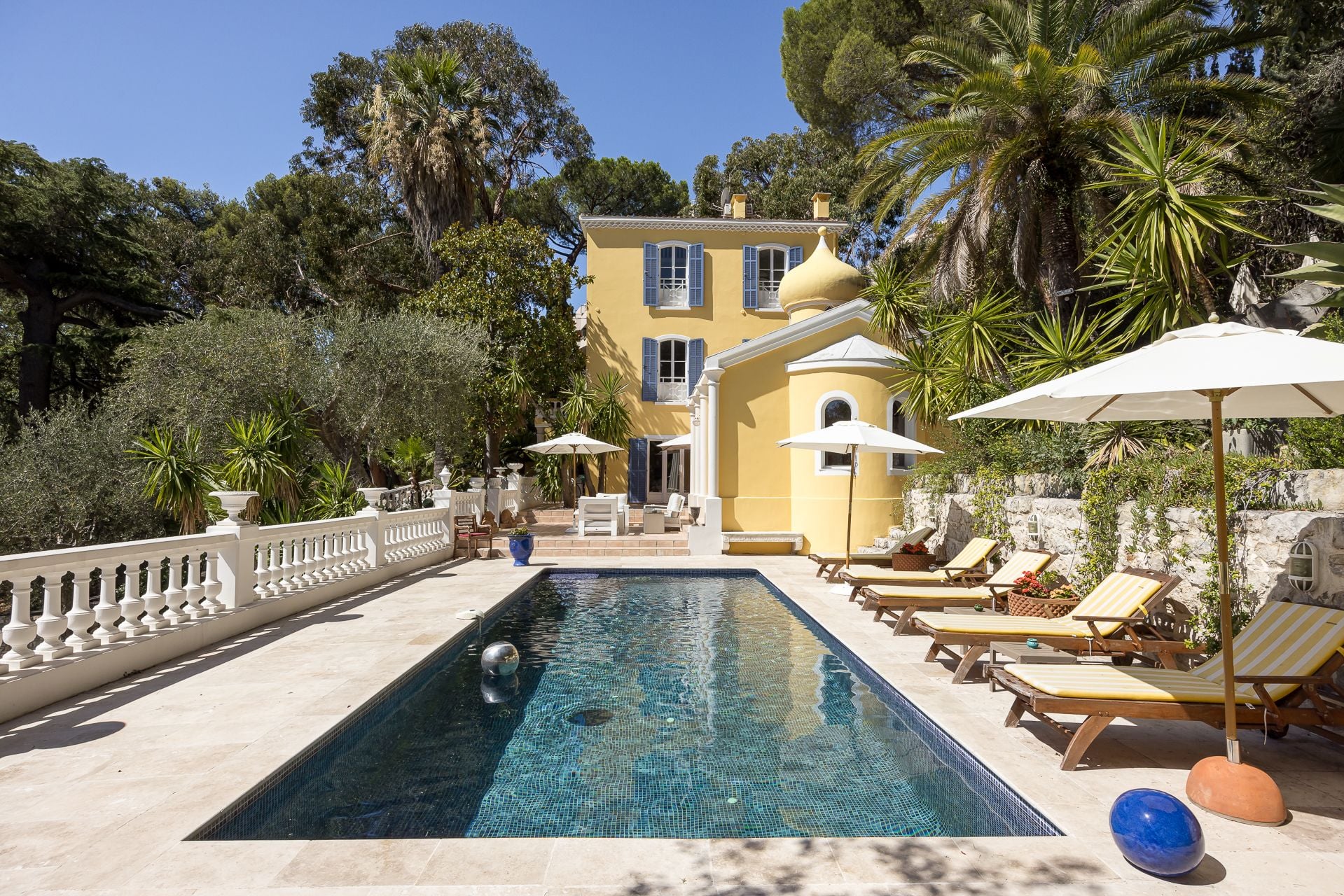
Nice real estate is often introduced through sunshine, sea views and Belle Époque façades.
Those qualities matter, but they are not what makes a purchase successful. In a city where two streets can offer entirely different noise levels, rental appeal, building standards and daily routines, the better question is not simply where to buy in Nice. It is how you want to live there, and what will still feel right after the first summer has passed.
For an overseas buyer, this is particularly important. A graceful top-floor flat near the Promenade may be ideal for holidays, while a family relocating year-round may value a quieter address near schools, parks and tram connections. Nice rewards precise choices. Its compact geography gives each quarter a distinct character, and its housing stock asks buyers to look beyond the photographs.
Nice real estate begins with the right daily rhythm
Nice has the advantage of being both a Riviera city and a working French city. It offers museums, markets, universities, hospitals, an international airport and year-round neighbourhood life. That breadth is one reason buyers are drawn here, but it also means there is no single “best” area.
The Carré d’Or and the streets around Place Masséna suit buyers who want the city at their doorstep. Here, grand period buildings, boutiques and restaurants create an unmistakably central lifestyle. It can be an excellent choice for a pied-à-terre or a well-positioned rental property, provided the buyer is comfortable with activity, visitor footfall and limited parking.
A few minutes away, Musiciens has a more residential cadence. Its handsome late-19th-century buildings, broad streets and access to the station appeal to professionals and second-home owners who travel regularly. The area feels central without being quite as exposed to the movement around the seafront and Old Town.
Le Port offers a different version of Nice: lively, walkable and increasingly design-led, with the sea, antique shops and independent tables close by. Buyers should consider the exact position carefully. Some homes enjoy a calm interior courtyard or harbour outlook; others sit above streets that remain animated late into the evening.
For village character, Cimiez and Mont Boron have enduring appeal. Cimiez brings gardens, cultural landmarks and elegant residences, often with more space than central flats. Mont Boron combines Belle Époque villas among the pines with commanding views towards the harbour and Cap Ferrat. Both can feel removed from the centre in the best sense, though access, parking and gradients should be part of the decision rather than an afterthought.
Old Nice, with its ochre lanes and baroque squares, is magnetic for buyers seeking atmosphere. It is also a quarter where practical inspection matters. A beautiful historic flat may have no lift, limited natural light, summer noise or a staircase that makes luggage and groceries less charming than the listing suggests. None of these points rules out a purchase. They simply shape who the property is right for.
Choose for the life you will actually lead
Before viewings begin, it helps to decide what you need on an ordinary Tuesday. Will you walk to a local market? Do you need an easy airport journey? Are you planning to spend August in Nice, or escape during the busiest weeks? Will children need a straightforward school run? Is a sea view more valuable than outdoor space?
This early clarity prevents a common mistake: paying for a dream image of the Riviera while compromising on the routines that make a home enjoyable. A buyer looking for tranquillity may be better served in Fabron, Gairaut or Cimiez than in the historic core. Someone who wants to arrive on a Friday evening and rarely use a car may find that centrality is worth more than extra square metres.
Look beyond the flat and assess the building
In Nice, the building can matter almost as much as the property itself. The city’s homes range from carefully maintained bourgeois residences to small old buildings, modern developments and substantial villas. Each comes with a different set of questions.
For a flat, examine the copropriété, the French co-ownership structure. Ask to see recent meeting minutes, the budget, planned works and information about the reserve fund. Roof repairs, façade restoration, lift replacement and water ingress can become significant expenses, particularly in older properties. A low service charge is not automatically good news if essential maintenance has been deferred.
Orientation deserves the same attention. South-facing rooms and terraces are highly prized, yet a west-facing terrace can become intensely hot in summer. Conversely, a north-facing historic flat may feel cool and elegant but require more careful consideration of light. Visit at different times where possible, or ask for an honest account of sun, shade, traffic and nearby activity.
Air conditioning, double glazing and heating arrangements should be checked rather than assumed. Heritage buildings may have restrictions on exterior alterations. A top-floor home might offer wonderful light but involve roof responsibilities, while a ground-floor garden flat may need a closer look at security and humidity. The right choice depends on use, budget and appetite for renovation.
Villas require another layer of due diligence. Boundaries, access rights, drainage, pool compliance, retaining walls and planning history all merit proper review. Hillside addresses can provide extraordinary views, but road access and travel time can be very different in high season or heavy rain. A capable local team will help identify the questions before emotion takes over.
Price is local, not merely per square metre
Price per square metre is a useful starting point, but it is an incomplete way to value a Nice home. Two flats of similar size can differ substantially in price because one has a lift, open view, terrace, parking, renovated common areas or a more desirable micro-location. Floor level, natural light, ceiling height and whether a bedroom is genuinely usable all influence value.
Sellers also benefit from this local perspective. An accurate valuation should reflect more than comparable asking prices. It needs to consider achieved transaction evidence where available, the property’s presentation, current competing stock and the buyer pool most likely to respond. Overpricing can make a property stale, particularly when discerning international buyers are comparing several Riviera locations at once.
Presentation should be proportionate to the home. A light-filled Carré d’Or flat may need careful photography, measured floor plans and a clear explanation of its building and outlook. A character villa needs its setting, access and potential to be communicated honestly. The aim is not to disguise compromises. It is to place them in context and attract buyers for whom the property genuinely fits.
The French buying process rewards preparation
Buying in France is structured, but it can feel unfamiliar when approached from abroad. Once a price is agreed, the parties usually sign a compromis de vente, a preliminary contract that sets out conditions, timing and obligations. The buyer commonly pays a deposit into the notaire’s account, subject to the agreed conditions.
The notaire is a public legal officer who oversees the legal transfer and registration. The notaire is independent, rather than acting as a personal negotiator for either side, so buyers still benefit from their own representation during the search and negotiation. A buyer’s agent can help frame an offer, coordinate documents, raise practical questions and keep communication moving between the selling agent, notaire, bank and other parties.
Most resale purchases also involve acquisition costs, often referred to as notaire fees, in addition to the agreed price. Finance should be discussed early, especially for non-resident buyers, as lending criteria and timelines can differ from those at home. Currency planning may also be relevant where funds are held in sterling, Swedish kronor or another currency.
The period between preliminary contract and completion is useful, not idle. It is when buyers can organise insurance, arrange utilities, plan removals and obtain informed renovation advice. For a second-home purchase, deciding who will handle post-completion matters is equally valuable. A key handover is only the beginning of ownership.
Buy with conviction, not urgency
The Côte d’Azur can encourage fast decisions. A terrace overlooking the Mediterranean or a salon filled with winter light can make a buyer feel that hesitation is a mistake. Sometimes decisive action is right. But confidence should come from good information, not pressure.
A well-managed search narrows the brief, tests it against real neighbourhoods and reviews each property on both emotional and practical terms. It also recognises trade-offs. A prime address may mean less space. A turnkey home may command a premium. A property with potential may require patience, approvals and a realistic renovation budget.
For buyers who cannot be in Nice for every viewing, local representation becomes especially valuable. Warde Property approaches each search as personal advocacy: understanding the brief in detail, giving clear feedback and staying present through negotiation, notaire signing and the practical arrangements that follow.
The right Nice home should feel more useful than impressive on paper. It should suit your mornings, your visitors, your seasons in the city and the life you intend to build around it. That is the kind of decision that continues to reward you long after the keys are handed over.
More from Articles
Apartment versus villa French Riviera choices
Apartment versus villa French Riviera: compare privacy, upkeep, location and rental appeal to choose a Côte d’Azur home with confidence for buyers abroad
Riviera property: what a good purchase requires
Riviera property demands more than a view. Learn how location, building rules, costs and local advice shape a confident purchase on the Côte d’Azur today.
Apartment versus villa French Riviera choices
Apartment versus villa French Riviera: compare privacy, upkeep, location and rental appeal to choose a Côte d’Azur home with confidence for buyers abroadRiviera property: what a good purchase requires
Riviera property demands more than a view. Learn how location, building rules, costs and local advice shape a confident purchase on the Côte d’Azur today.