Riviera property: what a good purchase requires
Riviera property demands more than a view. Learn how location, building rules, costs and local advice shape a confident purchase on the Côte d’Azur today.

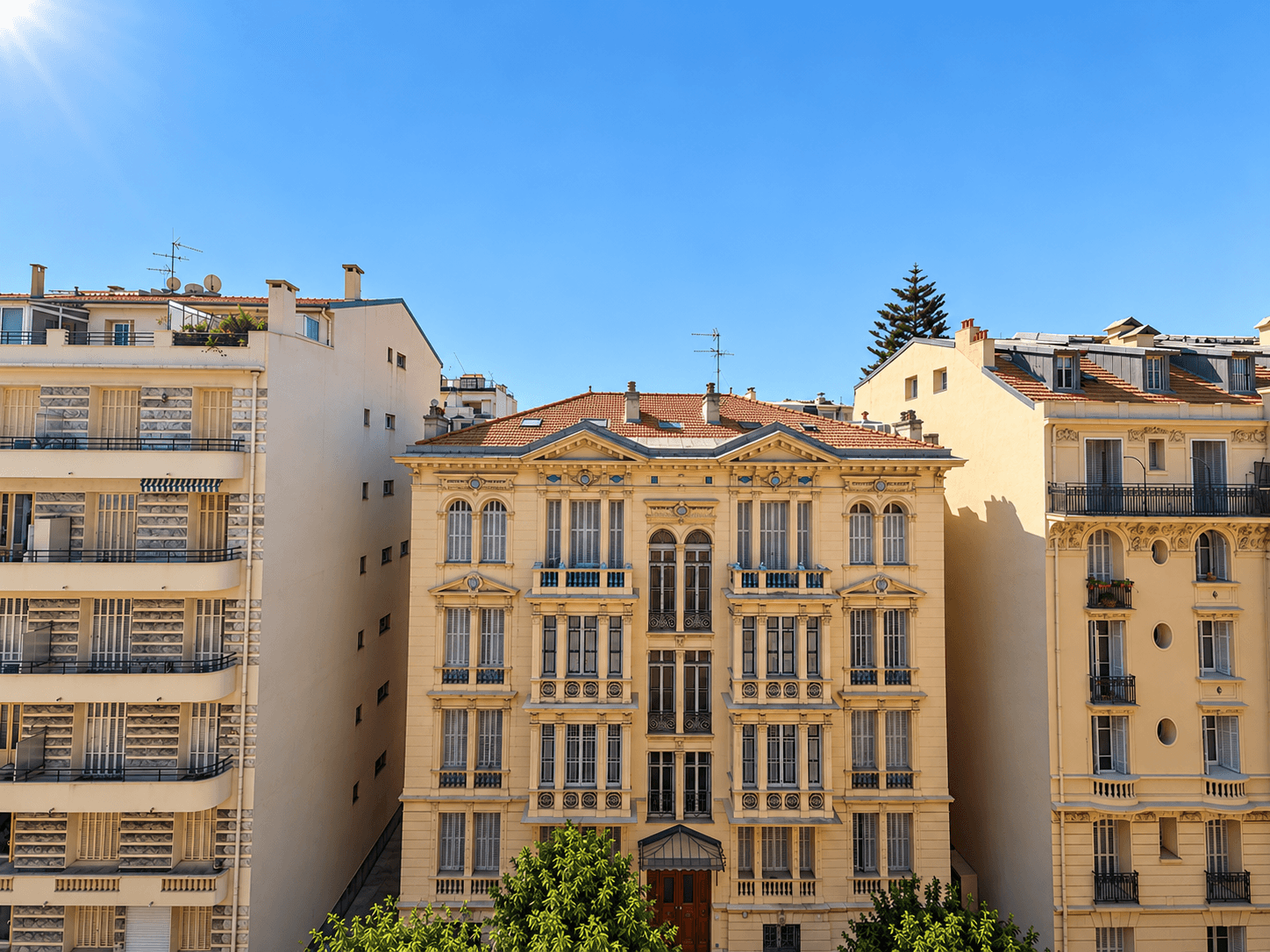
A sea view can be compelling at first sight.
Yet a Riviera property purchase is rarely decided by the terrace alone. The orientation of the building, the quality of its co-ownership, the walk to daily amenities and the realities of summer access can have as much influence on long-term enjoyment and value as the blue horizon.
For buyers coming from abroad, the Côte d’Azur can appear compact on a map. Nice, Villefranche-sur-Mer, Beaulieu-sur-Mer, Saint-Jean-Cap-Ferrat and Antibes may all feel close, but they offer markedly different rhythms, housing stock and practical considerations. A successful purchase begins by matching a home to the life you intend to lead here, rather than to a single postcard image.
Riviera property is local before it is luxurious
The French Riviera has grand villas, Belle Époque residences, handsome period flats and discreet contemporary developments. It also has steep hillsides, narrow historic streets, busy summer routes and buildings whose character comes with obligations. Local knowledge turns these details from surprises into informed choices.
In Nice, for example, a pied-à-terre in the Carré d’Or puts restaurants, shops and the Promenade des Anglais close at hand. It may also mean street activity, limited parking and a livelier atmosphere than a buyer expects during the quieter viewing season. Cimiez offers leafy avenues, museums and elegant residences, but its elevated position suits some routines better than others. The Port has a village-like energy and good access to the east, while Mont Boron pairs pines and sea views with winding roads and a more residential feel.
Along the coast, proximity has its own nuances. A flat above the beach may be ideal for a second home used on foot, while a villa in the hills may be more suitable for a family seeking privacy, gardens and parking. Neither is automatically the better investment. The right choice depends on whether you prioritise rental demand, year-round living, ease of lock-up-and-leave ownership, outdoor space or a particular school run.
Visit beyond the viewing window
A bright February morning and an August evening can reveal very different neighbourhoods. Where possible, revisit at another time of day. Listen for traffic, restaurant terraces, rail lines and construction. Walk the route to the market, beach, tram stop or parking space rather than relying on driving times shown on a map.
This is particularly valuable with hillside homes. A panoramic outlook can be remarkable, but it may come with steps, tighter access for larger vehicles or greater reliance on a car. For the right buyer, these are reasonable trade-offs. They should simply be understood before an offer is made.
The building matters as much as the flat
Many Riviera homes sit within a copropriété, the French system of shared ownership. Buying a flat means buying into the life and finances of that building. A beautifully presented interior does not remove the need to understand planned works, annual charges, management arrangements and rules affecting use.
Before committing, a buyer should review the copropriété documents carefully. The minutes of recent owners’ meetings can indicate whether façade repairs, roof works, lift upgrades or major water-proofing are under discussion. Accounts and budgets show how charges are being managed. The règlement de copropriété sets out what is permitted, including restrictions that may affect holiday letting, commercial activity, shutters, awnings, pets or alterations to the home.
This is not a reason to avoid an older building. Some of the Riviera’s most desirable homes are in period residences with high ceilings, original tiles, wrought-iron balconies and gracious communal entrances. It is a reason to price the whole ownership proposition, not just the square metres.
Newer developments can offer lifts, air conditioning, garages and lower immediate maintenance requirements. They may, however, have less architectural individuality, higher service charges for pools or concierge provision, and fewer opportunities to add value through thoughtful renovation. A buyer choosing between the two should consider how often they will use the property and how involved they wish to be.
Understand the true cost before you negotiate
The agreed purchase price is only one part of the budget. In France, the notaire manages the legal completion and collects taxes and registration costs. For an existing property, buyers should generally allow for notaire fees and taxes in addition to the price. Agency fees may be included in the advertised figure or charged separately, so this should be clear from the outset.
Then come the recurring costs: taxe foncière, copropriété charges where applicable, home insurance, utilities and maintenance. A villa may require regular garden and pool care. A second home can benefit from property management, particularly if it will be empty for long periods. Air conditioning, shutters and exterior spaces all need attention in the Riviera climate.
For financed purchases, allow enough time for the mortgage process and ensure that an appropriate finance clause is included in the offer where needed. Cash buyers should also be ready to document the source of funds. French compliance checks are routine, especially for international transactions, and early preparation prevents unnecessary delay.
The offer is the start of the legal process
Once a price and terms are agreed, the transaction becomes more formal than many overseas buyers expect. The compromis de vente or promesse de vente records the principal conditions, including finance, planning or other agreed clauses. Buyers benefit from a statutory cooling-off period after receiving the signed contract, while the notaire then carries out the legal checks before completion.
The notaire is a public legal officer and acts impartially in the transaction. Their role is essential, but they are not a substitute for a buyer’s local property adviser. A buyer’s representative can help assess value, identify practical questions before the offer, coordinate communication with the selling agent and keep the decision aligned with the buyer’s priorities.
That distinction matters when a property has strong emotional appeal. An exceptional view does not answer whether a terrace is correctly recorded, whether works have been authorised, or whether access will suit guests, children or future resale. Good advice brings those questions forward, when they can still shape the negotiation.
Choosing the right Riviera property for your plans
A second home, a permanent move and an investment purchase can lead to very different decisions. The same two-bedroom flat may be excellent for one purpose and unsuitable for another.
For a holiday home, simplicity is often valuable: a lift, manageable outdoor space, secure parking, proximity to the airport and a building that is easy to maintain from abroad. Buyers planning longer stays may place more weight on a proper kitchen, storage, winter sun and access to neighbourhood services that remain open beyond the summer season.
For relocation, the daily pattern deserves greater attention. Families may need to balance international schools, green space, commuting routes and bedroom sizes. Retirees may favour a central location with level walking and nearby healthcare. Investors should take a measured view of rental regulations, seasonal demand, running costs and resale liquidity rather than assuming every coastal address performs in the same way.
There is also the question of renovation. Restoring a character flat in an ochre-lined old quarter can produce a deeply personal home, but works need careful planning, reliable local trades and an understanding of building permissions. A completed turnkey property reduces that effort, though it may command a premium and leave less scope to tailor the space.
Representation brings clarity at each stage
The strongest property decisions are usually made before the viewing list becomes too long. A clear brief should cover not only location, budget and bedrooms, but also lifestyle, travel habits, appetite for maintenance and the compromises you will accept. It gives the search direction and helps distinguish a genuinely suitable opportunity from an attractive distraction.
At Warde Property, the focus is on personal, street-by-street advice across Nice and the Côte d’Azur, with support that continues through negotiation, notaire signing and the practical arrangements after purchase. For an overseas buyer, having a responsive local point of contact can make the process feel considerably more manageable.
The Riviera rewards careful choices. Look beyond the first glimpse of the sea, ask the questions that affect everyday life, and give yourself the benefit of advice rooted in the neighbourhood where you plan to belong.
More from Articles
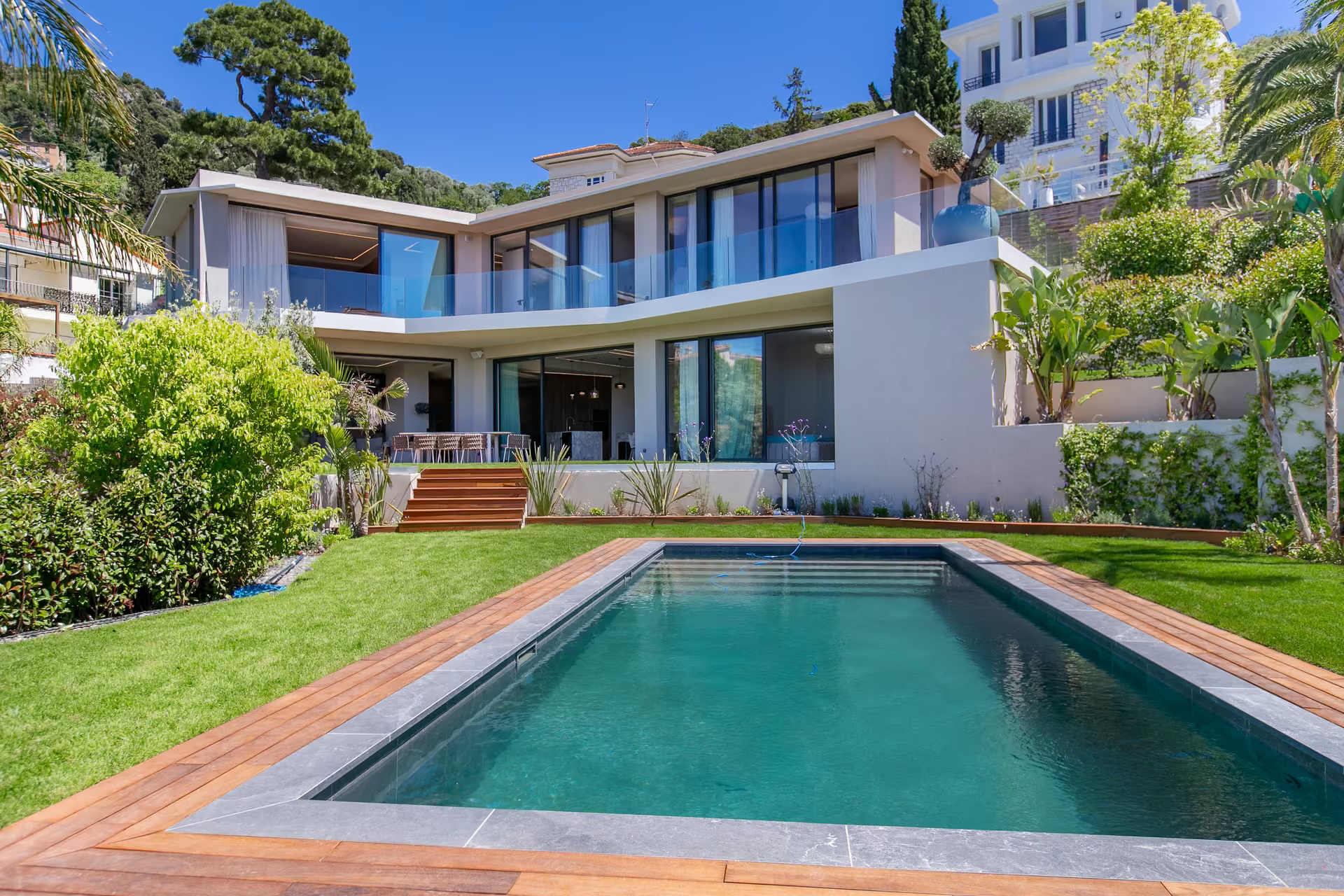
Mont Boron villas for sale, chosen carefully
Considering Mont Boron villas for sale? Understand views, access, planning, condition and local advice before making a considered purchase in Nice today.
How to arrange utilities after a French purchase
Learn how to arrange utilities after a French purchase, from electricity and water to internet, insurance timing, meters, and practicalities in Nice.
Mont Boron villas for sale, chosen carefully
Considering Mont Boron villas for sale? Understand views, access, planning, condition and local advice before making a considered purchase in Nice today.How to arrange utilities after a French purchase
Learn how to arrange utilities after a French purchase, from electricity and water to internet, insurance timing, meters, and practicalities in Nice.