How to arrange utilities after a French purchase
Learn how to arrange utilities after a French purchase, from electricity and water to internet, insurance timing, meters, and practicalities in Nice.


The keys are handed over, the acte de vente is signed, and your new address may be behind ochre lanes in Vieux Nice, above a lively Carré d'Or street, or beside the pines of Cimiez.
Then comes the practical question: how do you arrange utilities after a French purchase without spending your first weeks on hold or arriving to a dark apartment with no internet?
The reassuring answer is that the process is manageable, but it does not work exactly as it may in the United States or the UK. In France, utility accounts are tied to the occupant, not automatically passed from seller to buyer. Starting early, collecting the right meter information, and understanding what is private versus included in a condominium will make the transition far easier.
Start before completion, not after
Ideally, utilities are discussed during the final inspection or in the days leading to signing at the notaire’s office. The seller should provide final meter readings on the completion date, and you should photograph the meters where possible. This creates a clear record of consumption up to the moment ownership changes hands.
Do not assume that an active supply means an active contract in your name. The seller may cancel their electricity, gas, or internet agreement immediately after completion. In a second home that has stood empty, supply may already be inactive. It is sensible to make your applications as soon as you have a confirmed completion date, while recognizing that some providers will require the signed deed or an attestation from the notaire before finalizing the account.
For a purchase in a copropriété, the building manager, known as the syndic, is also an essential source of information. Ask whether water, heating, hot water, or even gas is collectively managed and included within the service charges. Many Nice apartments have individual electricity accounts but collective cold water. Others, particularly newer or larger residences, may have shared heating or hot water systems. There is no single Riviera standard.
Documents to have ready
French providers usually ask for straightforward evidence, but delays often arise when an overseas buyer has not yet opened a French bank account or has limited French-language paperwork. Keep digital copies of the following together:
- Passport or other photo identification
- The property address in its complete French format, including building, floor, and apartment number
- Signed deed of sale or the notaire’s ownership attestation
- Meter numbers and clear opening-day meter readings
- A French or European IBAN for direct debit, where available
- A reachable phone number and email address
An international IBAN can often be accepted, though individual providers’ online systems are not always as accommodating as the rules suggest they should be. If a website rejects your banking details, a phone call or written request can resolve the issue. A French bank account remains convenient for recurring household payments, but it should not prevent you from opening an essential utility account.
Electricity: the first account to organize
Electricity is usually the priority. The national network is operated by Enedis in most of France, but you choose a retail supplier. The incumbent supplier is EDF, while other suppliers offer alternative tariffs and customer-service models. For most buyers, the key decision is less about finding a dramatically cheaper rate and more about securing a suitable contract promptly and choosing service support you can comfortably manage.
Your apartment or villa will have a Point de Livraison number, often called a PDL, or a PRM number for a Linky smart meter. It identifies the supply point. The seller, agent, syndic, previous bills, or meter display can help locate it. If electricity remains live, opening a new contract may be remote and quick. If supply has been cut, an Enedis technician appointment may be needed, which can take longer during busy periods.
Check the power capacity, measured in kVA, rather than simply accepting the previous owner’s contract. A small pied-à-terre with modest appliances may function well on a lower capacity, while a villa with air conditioning, an electric gate, pool equipment, and an induction kitchen may need more. Too little capacity can cause repeated trips; too much means paying for capacity you do not use.
If the property will be vacant for months, do not cancel electricity automatically. A modest ongoing subscription can be worthwhile for alarm systems, shutters, dehumidifiers, refrigeration, or frost protection. The right approach depends on how the home is equipped and whether someone will check it regularly.
Gas, heating, and hot water
Where a property has individual gas, you will need a separate supply contract. The network is generally managed by GRDF, while the supplier bills you. A gas meter has its own identification number, known as a PCE. As with electricity, establish whether the supply is active and whether a technician visit is required.
Be especially careful with older Nice buildings. A charming apartment with original tile floors and high ceilings may have electric radiators, gas heating, a communal boiler, or reversible air conditioning. The property’s diagnostic reports and service-charge statements provide useful clues, but the syndic can confirm what is included and who is responsible for maintenance. If a gas appliance has been unused, arrange any required safety checks before relying on it.
Water is often a condominium question
Water is not always an account you open personally. In many apartment buildings, the syndic receives one building bill and allocates charges among owners through the copropriété budget. Some buildings use individual submeters, while others divide costs according to ownership shares. Ask for the latest service-charge breakdown so you know whether cold water is included.
For a villa or an apartment with its own water meter, the local water operator will need to open an account in your name. The provider varies by municipality, so do not assume that a company used in one Riviera town will serve another. Record the meter number and reading at handover, particularly if the home has a garden, irrigation, or pool where consumption can be substantial.
If the property is vacant, learn where the main shutoff valve is. This is one of the simplest safeguards for a second home. A small leak behind a washing machine or under a sink can become costly before anyone notices, especially in a building where water is charged collectively and a leak affects neighbours as well.
Internet can take the longest
A good internet connection is not guaranteed simply because an address is in central Nice. Fiber availability can differ between two sides of the same street, and older buildings sometimes require an installation appointment or approval for access to common areas. Check eligibility as soon as the address is confirmed, then allow time for an engineer visit if needed.
If you are furnishing remotely or using the property immediately for work, arrange a temporary solution. A French mobile plan with ample data, a 4G or 5G router, or a short-term data package can bridge the gap. It is also worth confirming where the fiber outlet is located inside the apartment. In a carefully renovated period property, it may be discreetly placed in a hall cupboard rather than near the living-room television.
Internet contracts commonly include a rental router and may involve a minimum commitment period. Consider this if the property is primarily a seasonal residence. A lower-cost package may be sufficient for occasional visits, while a household with regular video calls, streaming, and smart-home devices will benefit from a more generous service.
Insurance should be active from the day you own the home
Home insurance is not technically a utility, but it belongs on the same immediate checklist. Arrange a French home policy effective from the completion date, not from the day you first sleep at the property. For an apartment, the copropriété insures common areas, but that does not replace cover for your interior, possessions, personal liability, water damage, or damage affecting neighbours.
A second home needs particular attention. Tell the insurer it will be unoccupied for periods of time and ask about requirements for closing water, checking the property, maintaining shutters, or responding to alarms. Policies may impose conditions after a certain number of vacant days. A low premium is not useful if the cover is unsuitable when a leak, storm, or break-in occurs.
A calm first month makes a difference
Keep a simple file of account numbers, meter photographs, supplier correspondence, and service dates. It is useful when bills arrive unexpectedly or when you later sell, rent, renovate, or change providers. Also make time to meet the building concierge, syndic contact, or a trusted local caretaker. They often know the practical details that no utility website can explain, from where meters are hidden to the day the building’s hot water is temporarily switched off for maintenance.
For buyers managing a move from abroad, practical after-sales support is not an extra detail. It is what allows a Riviera property to become a working home rather than a beautiful address waiting for administration. Warde Property can help clients identify the right local contacts and understand what needs attention first, leaving more time for the market mornings, sea air, and everyday pleasures that made the purchase worthwhile.
More from Articles
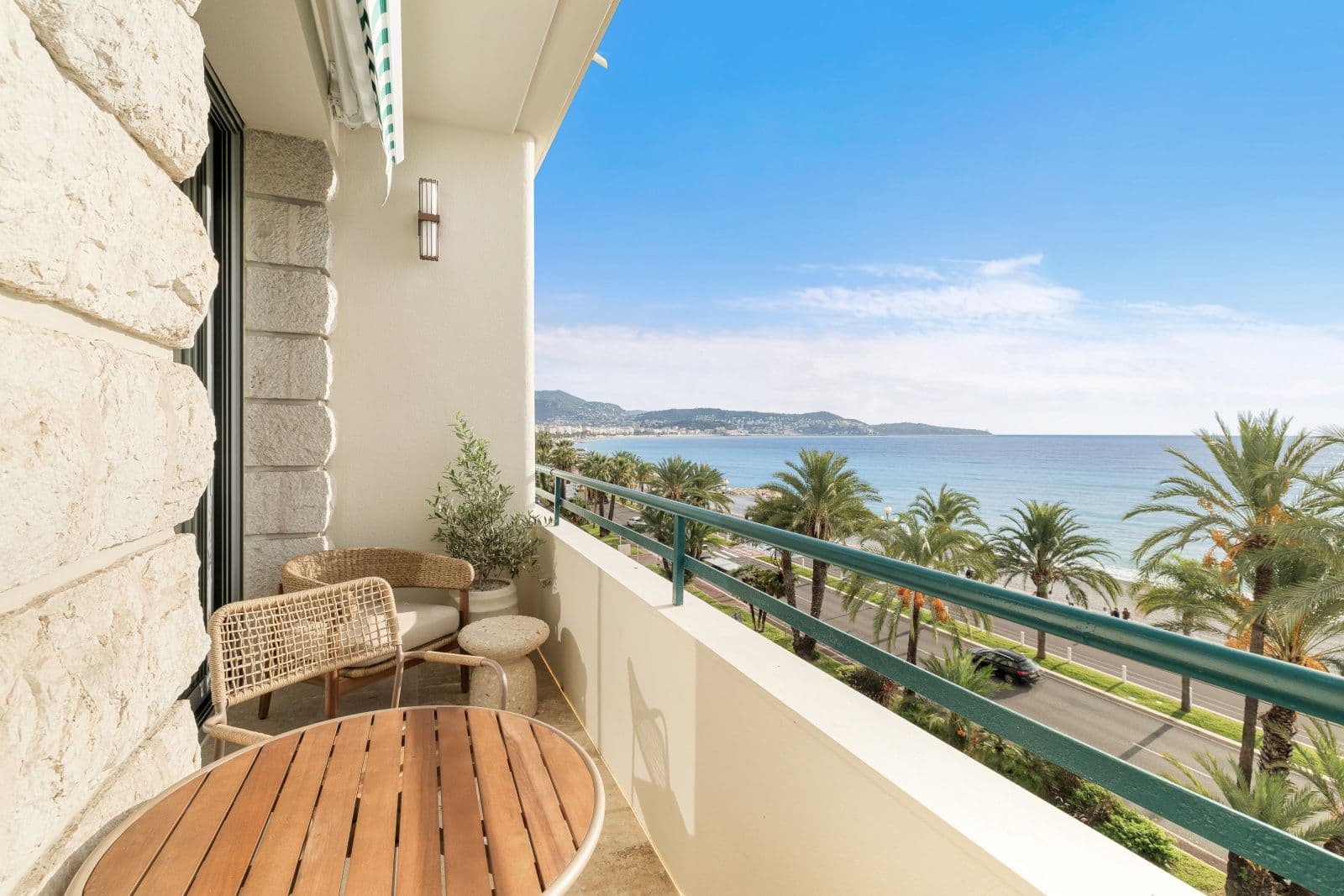
12 essential questions for apartment viewing
Use these essential questions for apartment viewing in Nice to assess costs, condition, noise, copropriété rules, and the life you will actually lead.
Property valuation Nice France: price it right
A clear guide to property valuation Nice France, covering neighbourhood pricing, apartment details, timing, presentation, and selling strategy for owners.
12 essential questions for apartment viewing
Use these essential questions for apartment viewing in Nice to assess costs, condition, noise, copropriété rules, and the life you will actually lead.Property valuation Nice France: price it right
A clear guide to property valuation Nice France, covering neighbourhood pricing, apartment details, timing, presentation, and selling strategy for owners.