12 essential questions for apartment viewing
Use these essential questions for apartment viewing in Nice to assess costs, condition, noise, copropriété rules, and the life you will actually lead.

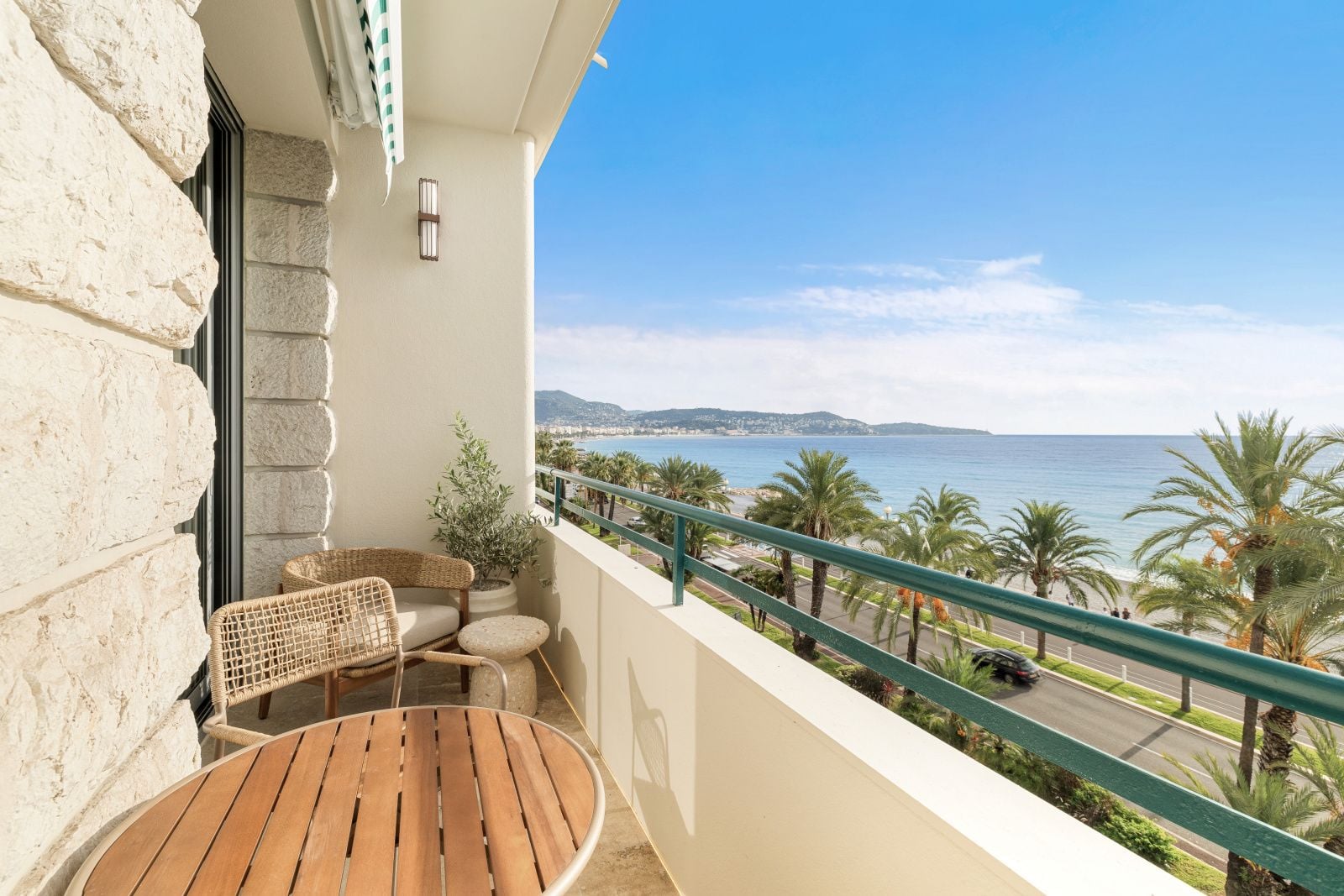
A sunlit terrace, high ceilings, and a glimpse of the Mediterranean can make an apartment in Nice feel instantly right.
Before that feeling carries the decision, ask the questions that reveal how the home performs after the keys are handed over. These essential questions for apartment viewing help buyers look beyond a beautiful first impression and assess the building, the costs, the neighbourhood, and the practical reality of ownership in France.
For an international buyer in particular, a viewing is not simply a tour. It is the point at which local knowledge turns a promising property into a well-informed decision.
Essential questions for apartment viewing in Nice
1. What is included in the sale?
Start with the basics, but be precise. Confirm the stated living area, usually described as loi Carrez area for an apartment sale, and ask whether terraces, balconies, cellars, parking spaces, or maid’s rooms are included in the price and title.
Built-in kitchens are generally included, but freestanding appliances, furniture, light fixtures, and outdoor items may not be. If a parking space is essential to your life in Nice, establish whether it is a separate lot, a rented space, or simply available by informal arrangement. These distinctions matter at signing and later at resale.
2. What are the annual charges, and what do they cover?
Every apartment in a shared French building belongs to a copropriété. The owners collectively fund building expenses through service charges, known as charges de copropriété. Ask for the annual amount and a clear breakdown.
Charges can cover a concierge, elevator, heating, hot water, gardens, insurance for common areas, cleaning, and building management. A grand Belle Époque address with a landscaped entrance may rightly carry higher charges than a simple walk-up in the Old Town. The question is not whether charges are high or low in isolation, but whether they are reasonable for the services provided and sustainable for your intended use.
Also ask whether heating and hot water are individual or collective. This affects both monthly outgoings and your ability to control energy use when the apartment is empty between visits.
3. Are major works planned, discussed, or overdue?
This is often the most valuable question in any apartment viewing. A well-presented interior can conceal a building facing substantial expenditure for a roof, facade, elevator, drainage, or structural repair.
Ask to see the recent minutes of the owners’ general meetings, known as procès-verbaux d’assemblée générale. These records can show work that has been approved, proposals still under discussion, disputes between owners, and recurring maintenance concerns. Ask directly: What work has been completed in the past few years, what is scheduled, and what could be voted on next?
A planned facade restoration is not necessarily a reason to walk away. In central Nice, a carefully restored building can enhance both daily enjoyment and long-term value. But the expected cost, timing, and whether the seller remains responsible for an approved assessment should be understood before an offer is made.
4. How quiet is the apartment at the times that matter?
Nice changes character throughout the day. A peaceful street near Place Masséna at 10:00 a.m. may be lively after dinner. An apartment close to the Promenade des Anglais can offer extraordinary sea views while also bringing traffic, summer activity, and event noise.
Open the windows. Stand quietly in each bedroom. Ask about deliveries, restaurant terraces, school traffic, garbage collection, bars, and seasonal crowds. If possible, return at another time of day before committing. For buyers planning to work remotely, sound insulation and dependable quiet can be worth more than an additional few square meters.
The same applies inside the building. Listen for elevator machinery, pipes, footsteps from above, and street-door traffic. An experienced local adviser can offer perspective on a street’s rhythm, but your own tolerance for activity should guide the decision.
5. Which direction does the apartment face, and how does the light move?
Riviera light is one of the region’s great pleasures, but it has practical consequences. South and west-facing rooms can be bright and appealing, particularly in winter, while they may become hot in July and August without shading or air conditioning. North-facing homes can remain cooler, but may feel dark in older buildings with deep floor plans.
Ask when the sun reaches the terrace, whether neighbouring buildings block light, and how hot the rooms become in peak summer. Check the condition and permissions for shutters, awnings, and air conditioning. In some buildings and protected areas, exterior changes require approval.
6. What is the apartment’s energy performance and heating setup?
Request the diagnostic de performance énergétique, or DPE, which rates energy performance and provides information about estimated consumption and emissions. This document is useful, but it should prompt further questions rather than end the conversation.
Ask about insulation, window glazing, the age of the boiler or heat pump, and recent electricity costs if available. A period apartment with original windows and lofty ceilings may be full of character, yet need thoughtful improvements to feel comfortable year-round. Conversely, a recently renovated apartment may look immaculate while using inexpensive materials or poorly installed systems.
7. Has the renovation been properly carried out?
In Nice, many buyers are drawn to renovated apartments in character buildings, from ochre lanes in Vieux-Nice to elegant addresses in the Musiciens quarter. Look beyond the finishes. Ask who completed the work, when it was done, and whether invoices, warranties, and permissions are available.
Pay attention to water pressure, electrical panels, ventilation in bathrooms, drainage, and signs of damp around windows or ceilings. If walls have been moved or bathrooms added, ask whether the necessary approvals were obtained. A qualified professional inspection can be wise where the building is old, the renovation is extensive, or the apartment will be a major investment.
8. What are the rules of the building?
Request the building regulations, or règlement de copropriété. They set out what owners can and cannot do, including rules for short-term rentals, pets, noise, exterior alterations, and use of common areas.
This matters especially for second-home owners and investors. If you may rent the apartment, even occasionally, do not assume a desirable location permits the rental strategy you have in mind. Municipal rules and building rules can both affect use. Equally, if you want a quiet residential base, restrictions on holiday rentals may be a positive feature.
9. What are the local taxes and the full cost of ownership?
Ask for the latest taxe foncière, the annual property tax paid by the owner, as well as the apartment’s service charges, energy costs, insurance expectations, and any known special assessments. For a buyer comparing several homes, this total is more meaningful than the purchase price alone.
The notaire will calculate the formal acquisition costs, and your adviser can help ensure that the financial picture is realistic before negotiations begin. For overseas buyers, currency movements, furnishing, and ongoing management can also deserve a place in the budget.
10. What is the neighbourhood like beyond the view?
A property can be five minutes from the sea and still be wrong for your daily life. Ask about food shopping, pharmacies, markets, schools, tram access, beaches, parking, and the walk home after dark. In Nice, each quarter has its own rhythm: Carré d’Or offers immediate access to shops and restaurants; Cimiez brings calm streets and Belle Époque villas among the pines; Libération has a more local market-led energy.
If you are buying from abroad, think in routines rather than landmarks. Where will you buy bread on a Sunday? How easily can guests reach the apartment from the airport? Is the climb from the tram comfortable in summer? These details are what make a home feel effortless rather than merely attractive.
11. Why is the seller moving, and how long has the apartment been for sale?
The answer may be entirely straightforward: a family is relocating, an owner is consolidating assets, or an inherited property is being sold. Still, it is worth asking. Time on the market can reveal a pricing issue, a changing seller expectation, or simply a property with a specialized appeal.
This is not about searching for a flaw in every sale. It is about understanding the negotiating context. A seller with an approved purchase elsewhere may value certainty and timing; another may prefer a longer completion date. Good negotiation is often built on those practical priorities, not only on price.
12. What will ownership look like after completion?
Finally, consider the handover. Ask when the apartment can be available, whether keys, remotes, documents, and maintenance records will be provided, and whether utility accounts can be transferred promptly. If you will not be in France full-time, ask how the property will be insured, checked, and prepared for your arrival.
This is where personal representation makes a material difference. At Warde Property, the work does not stop at identifying the right home: the practical steps around notaire signing, insurance, banking, utilities, and trusted local specialists can be coordinated with the same care as the search itself.
The best apartment viewing leaves room for excitement, but not uncertainty disguised as excitement. Take notes, revisit where necessary, and give equal weight to the building’s paperwork and the feeling of the street. A home that works on an ordinary Tuesday morning is usually the one you will be happiest to own.
More from Articles
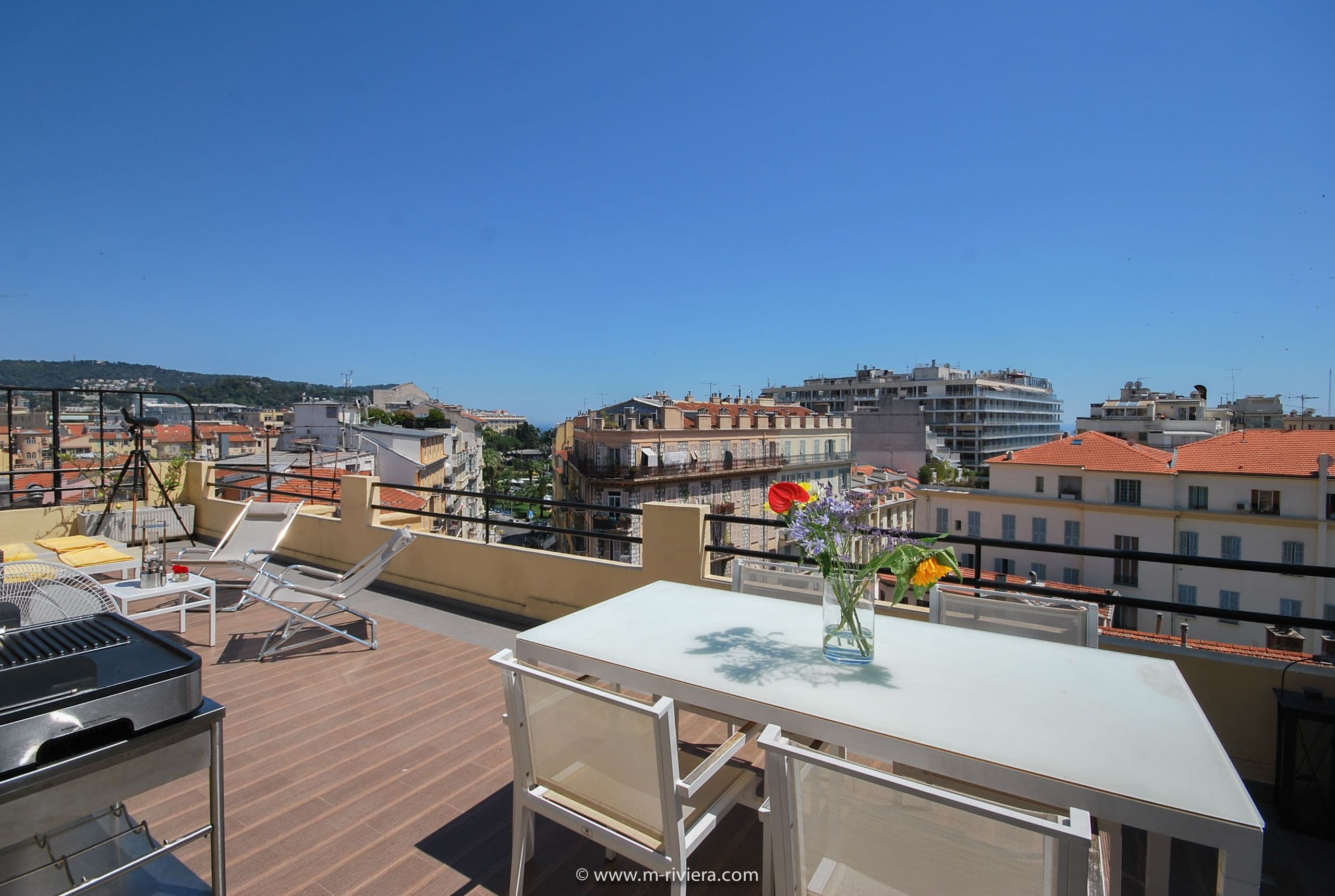
Property valuation Nice France: price it right
A clear guide to property valuation Nice France, covering neighbourhood pricing, apartment details, timing, presentation, and selling strategy for owners.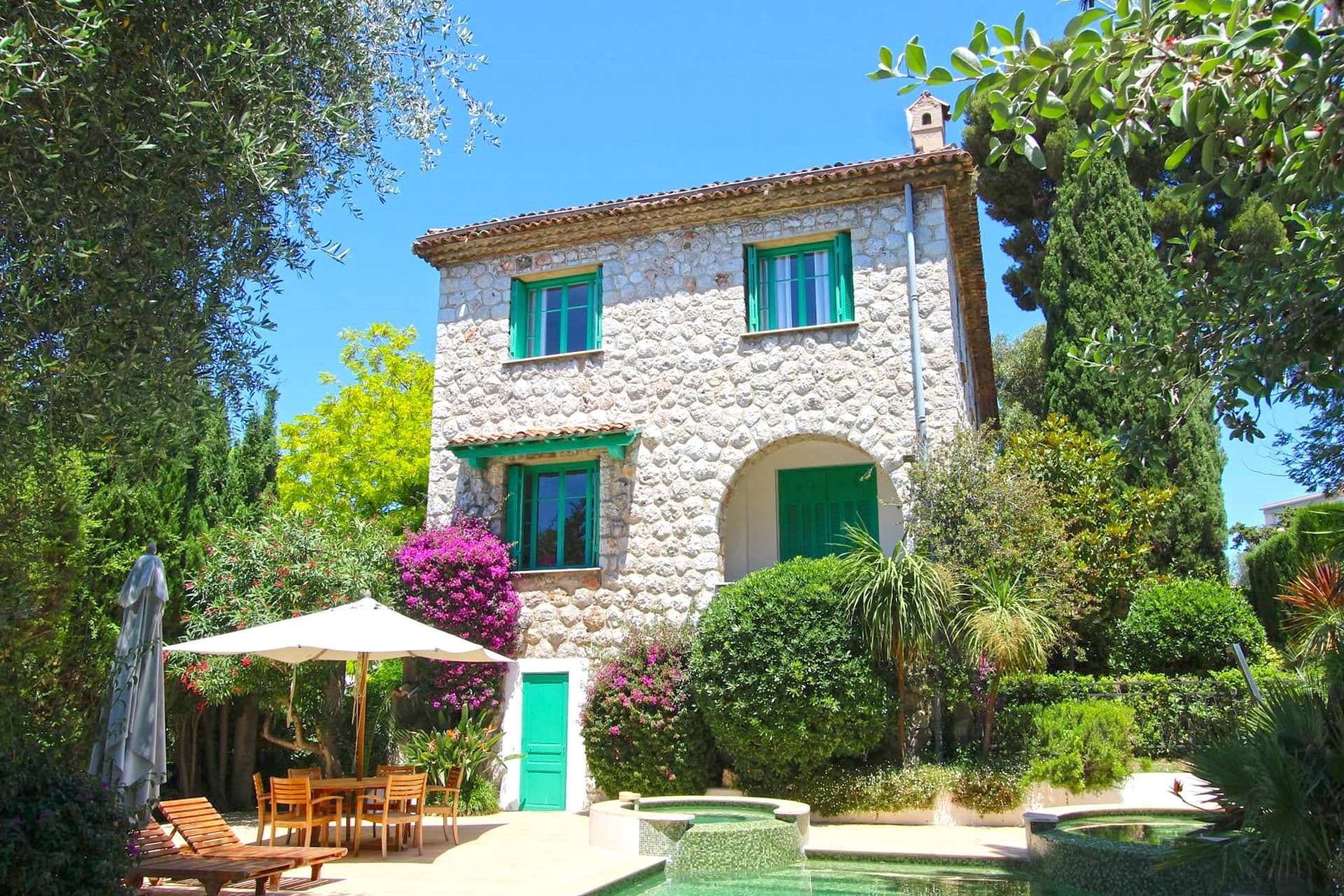
Do French homes need insurance? a buyer’s guide
Do French homes need insurance? Learn what owners, buyers, landlords, and tenants in Nice must insure, plus the cover worth arranging before completion.
Property valuation Nice France: price it right
A clear guide to property valuation Nice France, covering neighbourhood pricing, apartment details, timing, presentation, and selling strategy for owners.Do French homes need insurance? a buyer’s guide
Do French homes need insurance? Learn what owners, buyers, landlords, and tenants in Nice must insure, plus the cover worth arranging before completion.