Do French homes need insurance? a buyer’s guide
Do French homes need insurance? Learn what owners, buyers, landlords, and tenants in Nice must insure, plus the cover worth arranging before completion.

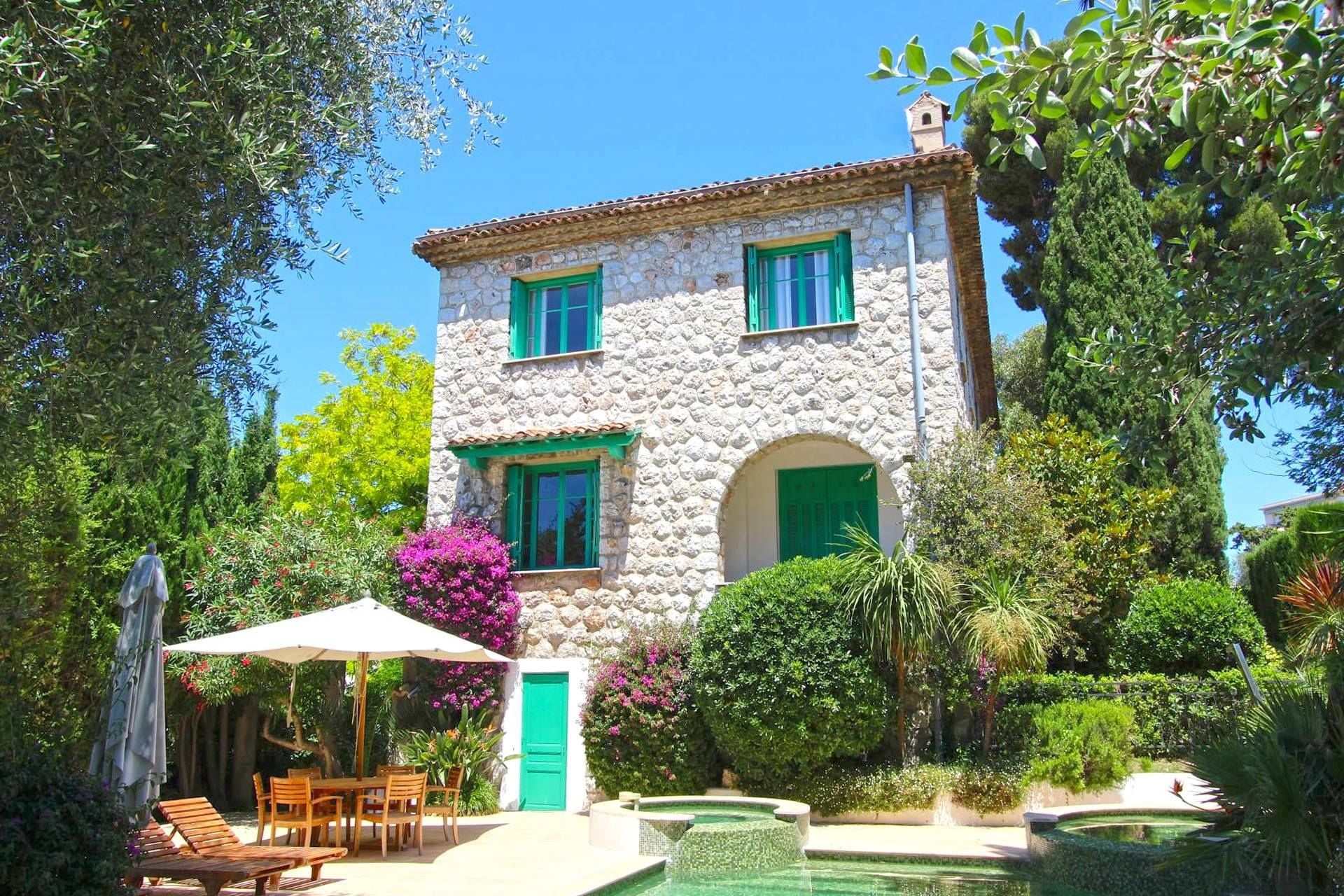
A sea view over the Baie des Anges, a Belle Époque apartment near Cimiez, or a village house behind the ochre lanes of Vieux Nice all deserve the same practical question before the keys change hands: do French homes need insurance? The short answer is yes in many situations, but the legal requirement and sensible level of protection depend on whether you own, rent, let, or share a building with other owners.
For overseas buyers, French insurance can feel like one more administrative detail in an already full purchase process. In reality, arranging the right policy is a small but essential part of protecting a significant Riviera investment. It should be handled before completion, not after the moving boxes arrive.
Do French homes need insurance by law?
French law treats owners, tenants, landlords, and co-owners differently. A standalone homeowner is not always required to hold a comprehensive home insurance policy simply because they own a property. However, that does not mean going uninsured is wise, or that there are no legal obligations.
If you buy with a mortgage, the lender will normally require adequate buildings insurance as a condition of the loan. Even cash buyers should consider how quickly a water leak, fire, storm, or liability claim can become expensive, particularly in an apartment building where damage rarely stops at one ceiling or one floor.
The position is more defined in a condominium building, known in France as a copropriété. The syndicat des copropriétaires, represented by the building manager or syndic, insures the common parts of the building. This typically includes the structure, stairwells, roof, elevators, and shared systems, subject to the policy’s terms. Individual co-owners must also have civil liability coverage, whether they live in the apartment or let it to someone else.
That shared building policy is not a substitute for insurance on your own apartment. It may not cover your interior finishes, furnishings, personal liability, or the consequences of a leak originating within your home. The exact split between the building’s policy and your own policy should be checked rather than assumed.
Insurance for buyers and owner-occupiers
For an owner-occupier, a multirisque habitation policy is the usual starting point. This is a French home insurance policy combining several protections under one contract. Cover commonly includes fire, water damage, theft, glass breakage, storm damage, civil liability, and, depending on the policy, contents and alternative accommodation.
The word commonly matters. Policies differ materially in their exclusions, excesses, maximum payouts, and definitions of valuables. A top-floor apartment with a terrace may need close attention to water ingress and exterior features. A villa in the hills above Nice may call for a careful discussion about wildfire exposure, retaining walls, gates, pools, and outbuildings. A compact pied-à-terre left empty for much of the year presents a different set of concerns, including conditions around unoccupancy and regular inspections.
For a second home, tell the insurer clearly that the property will not be your principal residence. Some policies restrict theft or water-damage cover if a home is vacant beyond a stated period, or require shutters to be secured and water to be turned off during longer absences. These conditions are particularly relevant to international owners who may only visit a few times a year.
Civil liability deserves attention as well. If a guest slips on your terrace, a water leak from your bathroom damages the apartment below, or a falling shutter injures a passerby, liability cover can be as important as cover for the home itself. In a dense central Nice building, a minor incident can involve several neighbours and the syndic very quickly.
When coverage needs to begin
Insurance should normally be in force from the date ownership transfers at the signing of the acte authentique before the notaire. Do not wait until you arrive in France with furniture or begin renovation work. Ask for a certificate of insurance in advance and share any documentation requested by the notaire, lender, or building manager.
If work is planned immediately after purchase, make sure the insurer knows. Standard residential cover may not be sufficient for a vacant property undergoing extensive renovation. Contractors should carry their own appropriate professional insurance, including décennale insurance where relevant to structural work, but that does not remove the need to protect your property and verify who is responsible for what.
What landlords should insure
A landlord’s policy is generally called assurance propriétaire non occupant, often shortened to PNO. It is designed for owners who rent out a property but do not live in it themselves. In a copropriété, civil liability insurance is compulsory for non-occupying owners, and a PNO policy is the practical way to meet that requirement while covering gaps not handled by the tenant or the building’s master policy.
A tenant’s insurance may cover damage caused by the tenant, but it does not protect every aspect of the landlord’s interest. A PNO policy can provide cover during vacant periods, for certain losses not recovered from the tenant, and for the owner’s liability. Landlords may also wish to consider rent-default protection, although eligibility, tenant screening requirements, and exclusions should be reviewed carefully.
Short-term and seasonal rentals require particular care. Not every standard policy is intended for frequent guest turnover, and platform-provided protections should not be treated as a complete replacement for a suitable French policy. If the property is used for furnished vacation lets, disclose this use from the outset.
Tenant insurance: usually mandatory
Tenants renting a main home in France are generally required to insure against rental risks, principally fire, explosion, and water damage. They are usually expected to provide an attestation d’assurance, or insurance certificate, when they move in and may be asked to provide it again each year.
The lease may allow the landlord to take action if the tenant does not maintain the required cover. In practice, tenants should choose a policy that also includes personal liability and cover for belongings, rather than relying on the narrowest possible protection.
There are exceptions and variations, especially around certain furnished, seasonal, or employer-provided arrangements. The lease type matters. Anyone signing a rental agreement should check its insurance clause and obtain written confirmation from the insurer that the intended use is covered.
Natural disasters on the Côte d’Azur
The Riviera’s appeal comes with a climate and landscape that warrant realistic insurance planning. Intense rainfall can overwhelm drainage systems. Coastal and low-lying areas may face flooding concerns. Summer heat and dry vegetation can heighten wildfire risk in hillside locations. Strong winds can damage shutters, terraces, trees, and roofs.
France has a national natural-disaster mechanism, commonly known as Cat Nat. Where a natural disaster is officially recognized by government order, many home insurance policies include compensation for qualifying damage. However, a declaration is not automatic, deductibles apply, and the normal policy must be active. It is not a reason to overlook the detail of ordinary storm, water, and fire coverage.
Before committing to a property, buyers should look beyond the view and ask practical questions. Has the building experienced water damage? Are there known drainage issues? Is the home in a designated risk area? What does the copropriété’s insurance cover, and have there been recent claims? The seller disclosures and building documents can provide useful context, while a local professional can help distinguish a theoretical concern from a recurring neighbourhood issue.
Choosing a policy without overinsuring
The aim is not to buy every optional extra. It is to insure the risks you would struggle to absorb yourself. Start with the rebuilding value or the building’s insured basis, then account for interior improvements, high-value contents, outdoor spaces, liability, and how the property will be used.
For a furnished apartment, inventories, photographs, invoices, and valuations for art or jewelry can make a future claim far easier to support. For an unfurnished purchase, consider the period between completion and occupancy. An empty home with new works underway may be more exposed than expected.
It is also worth asking how claims are handled in English if that is your preferred language, who appoints loss adjusters, and whether emergency assistance is available. The lowest premium can be false economy if communication becomes difficult when a burst pipe is affecting your apartment and two floors below it.
At Warde Property, post-purchase support includes helping clients navigate practical setup such as insurance alongside utilities and banking. The best time to ask the questions is while the transaction is still being coordinated, when property documents, the syndic’s details, and the completion date are all close at hand.
A French home should be a place to enjoy slow breakfasts on a sunlit balcony or evenings returning through a baroque square, not a source of uncertainty when the weather turns. Arrange cover early, read the conditions that apply to your particular home, and keep the policy aligned as your use of the property changes.
More from Articles

Carré d'Or Nice property for discerning buyers
Considering Carré d'Or Nice property? See how this Riviera quarter lives, what shapes prices, and which checks matter before a confident offer is made.
Is living in Nice old town right for you?
Considering living in Nice Old Town? Learn the rhythm, property choices, practical trade-offs, and local details that shape daily life in Vieux Nice today.
Carré d'Or Nice property for discerning buyers
Considering Carré d'Or Nice property? See how this Riviera quarter lives, what shapes prices, and which checks matter before a confident offer is made.Is living in Nice old town right for you?
Considering living in Nice Old Town? Learn the rhythm, property choices, practical trade-offs, and local details that shape daily life in Vieux Nice today.