Is living in Nice old town right for you?
Considering living in Nice Old Town? Learn the rhythm, property choices, practical trade-offs, and local details that shape daily life in Vieux Nice today.

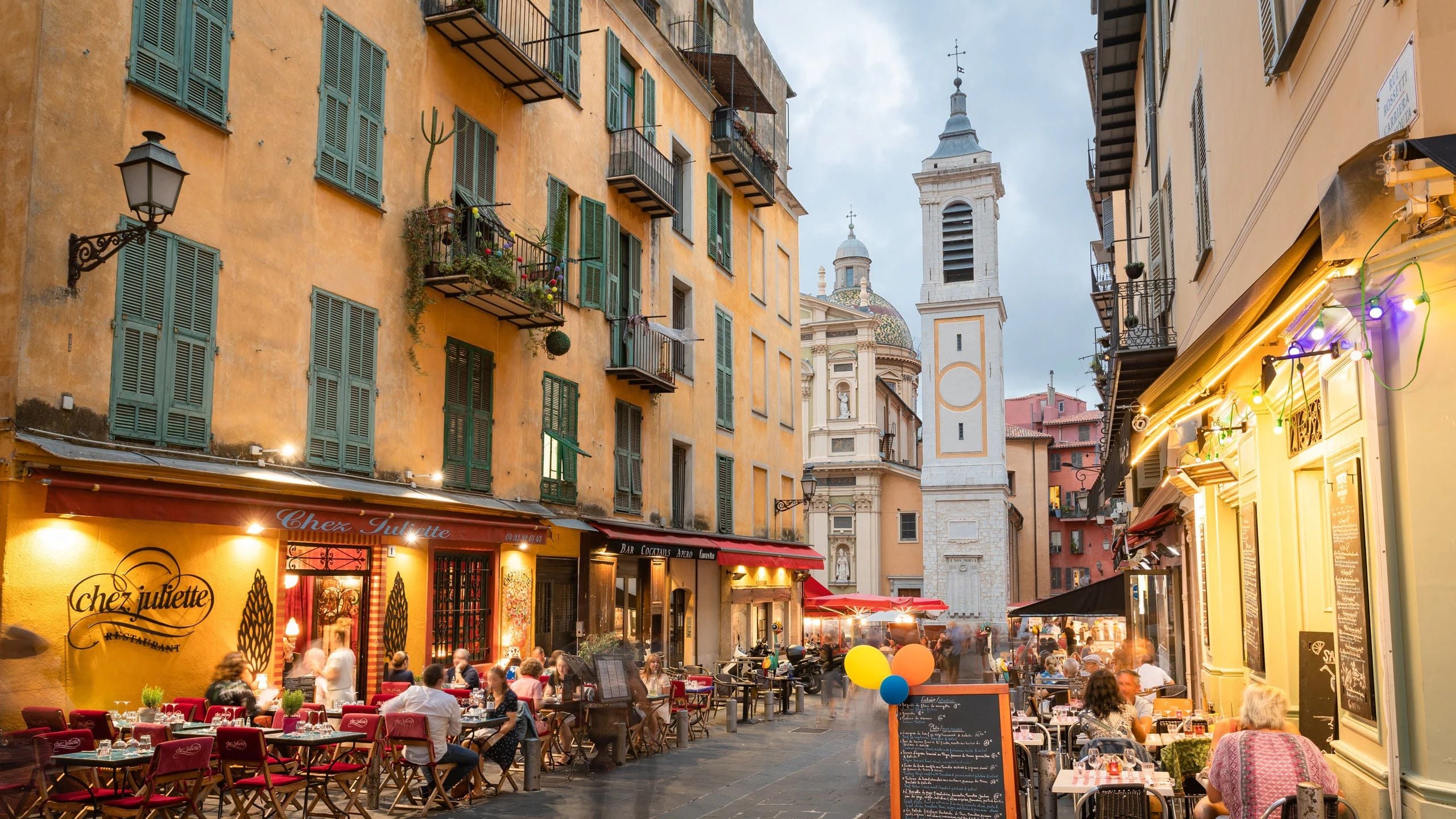
At 7 a.m., before the restaurant terraces fill and the market gathers pace, Vieux Nice belongs to delivery scooters, shuttered shopfronts, and the scent of bread from a nearby boulangerie.
Living in Nice Old Town means having this intimate, historic side of the city at your doorstep - along with its energy, its occasional noise, and a lifestyle that is quite unlike life in Nice’s more residential quarters.
For the right buyer, it is one of the Riviera’s most rewarding places to own a home. Ochre lanes lead to baroque squares, the sea is minutes away, and daily errands feel more like part of the neighbourhood than a task. But Vieux Nice is not simply a postcard setting. It is a dense, lived-in district with practical realities that deserve careful consideration before you commit.
What daily life in Vieux Nice feels like
Nice Old Town sits between the Promenade des Anglais, the Port, and the foot of Castle Hill. Its compact streets are largely pedestrian, and that changes the rhythm of everyday life. You walk for coffee, groceries, the beach, a gallery opening, or dinner with friends. Cours Saleya, with its flower market and food stalls, is part of the neighbourhood’s daily theater rather than a destination you plan around.
There is genuine convenience in this centrality. The tram at Opéra-Vieille Ville connects easily toward the airport and the wider city, while the Port, Place Masséna, and the retail streets of central Nice are all within walking distance. For a pied-à-terre owner, this can mean arriving, putting away a suitcase, and needing very little else.
The atmosphere shifts with the seasons. Summer brings visitors, late dinners, and a livelier street presence well into the evening. Winter is quieter but never empty, with local residents, market traders, schools, and small businesses keeping the quarter active. Buyers looking for a silent retreat may prefer Cimiez, Mont Boron, or the residential streets of the Carré d’Or. Buyers who want to feel connected to the pulse of Nice often find Old Town difficult to match.
The appeal of living in Nice Old Town
The strongest argument for Vieux Nice is not just location. It is character. Apartments here are often layered with details that newer buildings cannot reproduce: high ceilings, wooden beams, original floor tiles, deep-set windows, painted shutters, and views along narrow streets toward church domes or Castle Hill.
Homes vary considerably from one block to the next. A fourth-floor apartment overlooking Cours Saleya may offer a remarkable outlook and immediate access to the sea, but it can also receive more nighttime activity. A small street closer to the Palais Lascaris may feel more tucked away, while an address near Place du Pin places you close to the increasingly fashionable restaurant scene around the Port. Street-by-street judgment matters more here than broad neighbourhood labels.
For second-home buyers, the quarter offers an especially appealing form of freedom. The beach, museums, dining, and transport are close by, and the home can feel fully immersed in Nice from the moment you arrive. Investors may also see potential in the district’s enduring appeal, although rental strategy should always be assessed carefully against local regulations, building rules, and the practical demands of managing a period property.
The property trade-offs to understand
Old Town homes are character properties first, and character has consequences. Many buildings date from centuries when elevators, air conditioning, sound insulation, and generous storage were not expected. A beautiful apartment on the third or fourth floor may involve a narrow staircase and no elevator. This is manageable for some buyers and a decisive limitation for others.
Light is another consideration. Streets in Vieux Nice can be narrow, so a lower-floor apartment may feel cool and atmospheric but receive limited direct sun. Higher floors can be brighter and more open, particularly where there is a rooftop view, yet access becomes more important. The ideal answer depends on how you intend to use the property. A long-stay home, a retirement base, and a lock-up-and-leave pied-à-terre can have very different requirements.
Noise deserves an honest conversation as well. Restaurant life, scooters, deliveries, and summer foot traffic are part of the setting. Double glazing and thoughtful bedroom placement can make a significant difference, but no renovation can turn a central Old Town address into a quiet suburban street. During viewings, it is wise to visit at more than one time of day, including an evening where relevant.
Renovation can be highly rewarding, yet it needs careful planning. Access for materials and tradespeople may be constrained by pedestrian lanes, and older buildings can reveal surprises behind walls or beneath flooring. Before purchase, buyers should understand the condition of the apartment, the common areas, the roof, façade obligations, planned building works, and the condominium’s financial position. These details are central to a sound decision, not administrative footnotes.
Practicalities that shape the experience
Cars are not essential in Old Town, and in many cases they are more complication than convenience. Parking is limited, streets are tight, and unloading can require planning. Buyers who expect to drive regularly should factor a nearby parking solution into their search from the outset. Those who prefer walking, trams, trains, and occasional taxis may find the district unusually easy.
Shopping is one of Old Town’s quiet strengths. You can buy produce at Cours Saleya, pick up fresh fish nearby, find bakeries and wine shops within a short walk, and access larger stores in central Nice. The trade-off is that apartments may have compact kitchens and limited pantry space. This is a neighbourhood that favors buying well and often rather than storing extensively.
Families can enjoy the city-center setting, beaches, parks, and cultural life, but should think closely about apartment layout, stroller access, schools, and daily logistics. Vieux Nice suits some families beautifully, particularly those who value an urban, walkable life. Others may find a larger home with outdoor space in areas such as Fabron, Cimiez, or Gairaut more practical.
For international buyers, the French purchase process also requires local clarity. The notaire’s role, condominium documentation, diagnostics, financing timelines, and tax position each need to be understood in context. An experienced local representative can help distinguish between an apartment that photographs beautifully and one that will work well once keys are in hand.
Choosing the right pocket of Old Town
Vieux Nice is compact, but it is not uniform. Around Cours Saleya and the seafront edge, the appeal is immediate and international, with market life and the Promenade close at hand. The streets around Place Rossetti have a more enclosed, baroque feel, centered on one of Nice’s most recognizable squares. Near Place Saint-François, daily life can feel more local, with useful access toward the Port and tram.
The edge by Castle Hill offers a different advantage: quick access to green space and some homes with more open outlooks. Near Place du Pin, buyers are close to the Port’s restaurants, galleries, and evolving lifestyle scene while remaining within an easy walk of Old Town.
Rather than beginning with a single perfect address, start with how you want to live. Do you prioritize a view, elevator access, quiet bedrooms, proximity to the beach, rental flexibility, or a larger kitchen for extended stays? In a neighbourhood of historic buildings, it is rare to have every feature. A clear hierarchy of priorities makes the right compromises easier to recognize.
Who is Old Town best for?
Vieux Nice tends to suit buyers who value atmosphere over square footage and location over private outdoor space. It is particularly compelling for couples, solo buyers, frequent visitors, and second-home owners who want to step directly into Riviera life. It can also work for buyers seeking a distinctive primary residence, provided they are realistic about stairs, parking, and the social rhythm of the area.
It may be less suitable for someone who needs a large elevator building, guaranteed tranquility, a private garage, or expansive terraces. Nice offers excellent alternatives for those priorities. The value of working with a locally focused advisor is not being persuaded that Old Town is right, but being able to compare it honestly with the places that may serve you better.
A considered viewing itinerary should include the apartment itself, the building entrance and stairwell, the nearest tram stop, the route home after dark, and a pause at a neighbourhood café. Give yourself time to listen. If the movement, colour, and easy proximity of it all feel energizing rather than overwhelming, Vieux Nice may be more than a beautiful place to visit. It may be the part of Nice where you feel most at home.
More from Articles
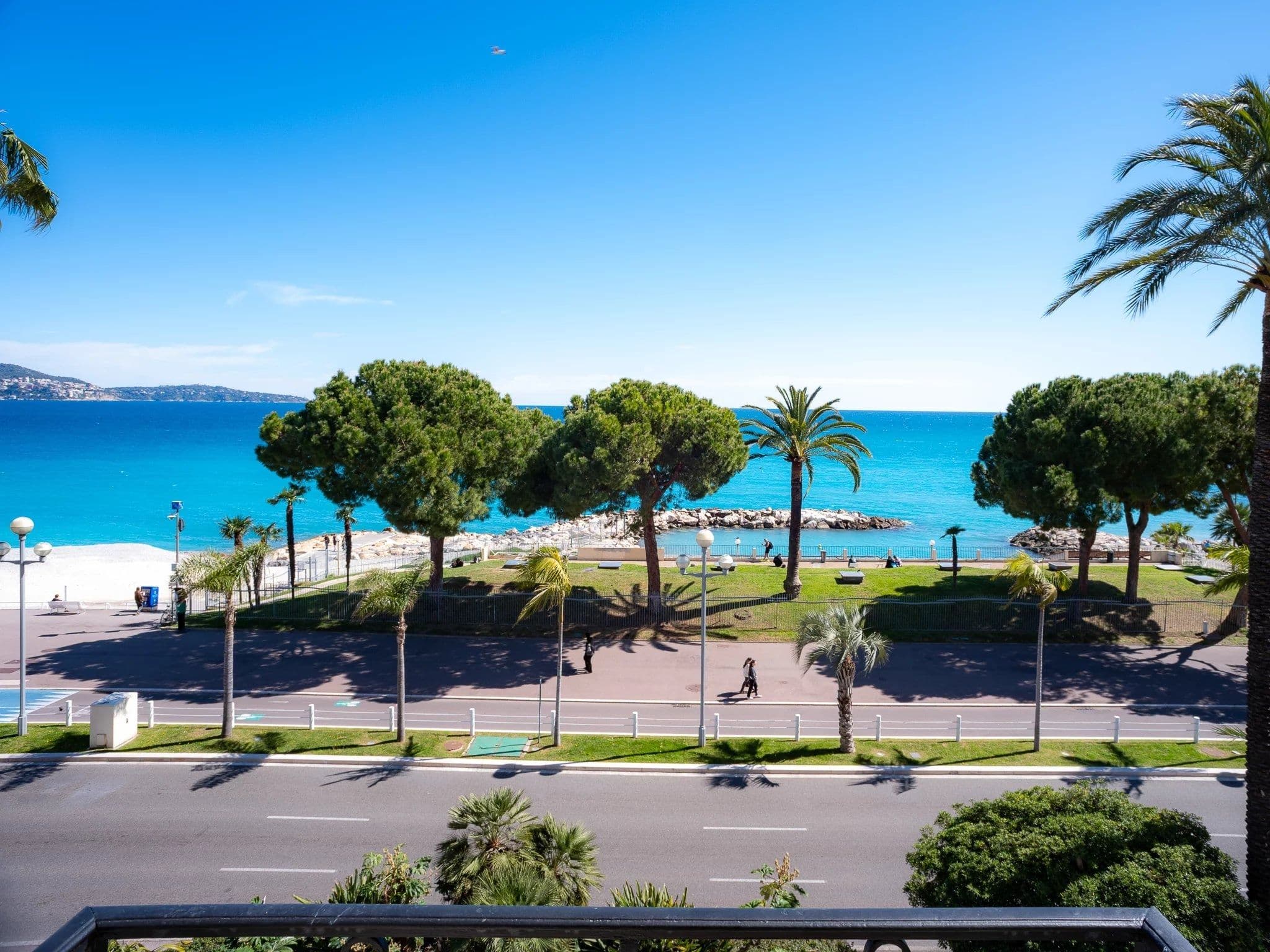
10 best Nice neighbourhoods to live in for buyers
Looking for the best Nice neighbourhoods to live in? Compare lifestyle, property character, transport, and practical trade-offs before you buy confidently in Nice.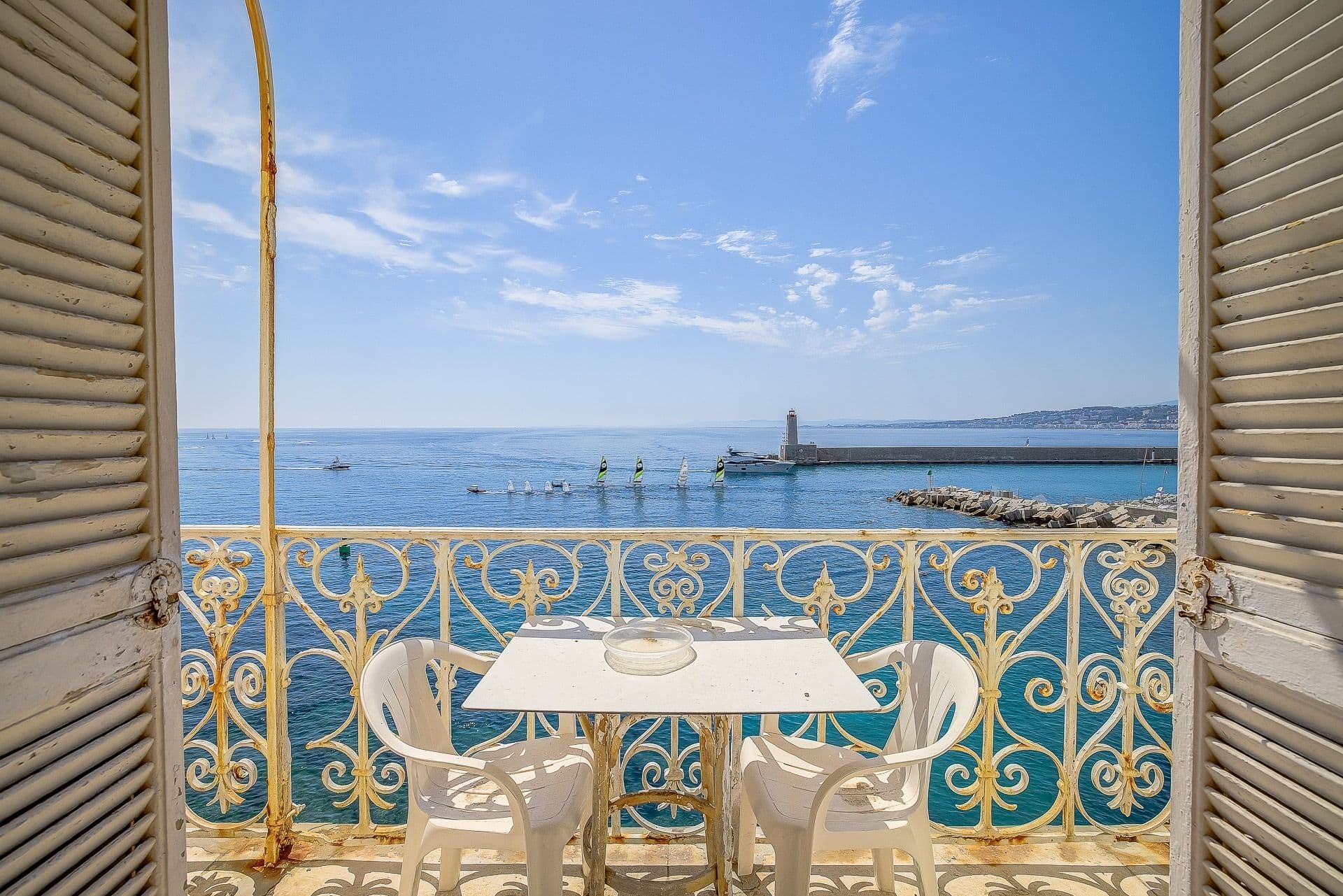
Can foreigners buy property in France? key rules
Can foreigners buy property France? Yes. Learn the buying rules, taxes, financing realities, and Riviera steps for a confident French purchase abroad.
10 best Nice neighbourhoods to live in for buyers
Looking for the best Nice neighbourhoods to live in? Compare lifestyle, property character, transport, and practical trade-offs before you buy confidently in Nice.Can foreigners buy property in France? key rules
Can foreigners buy property France? Yes. Learn the buying rules, taxes, financing realities, and Riviera steps for a confident French purchase abroad.