Can foreigners buy property in France? key rules
Can foreigners buy property France? Yes. Learn the buying rules, taxes, financing realities, and Riviera steps for a confident French purchase abroad.

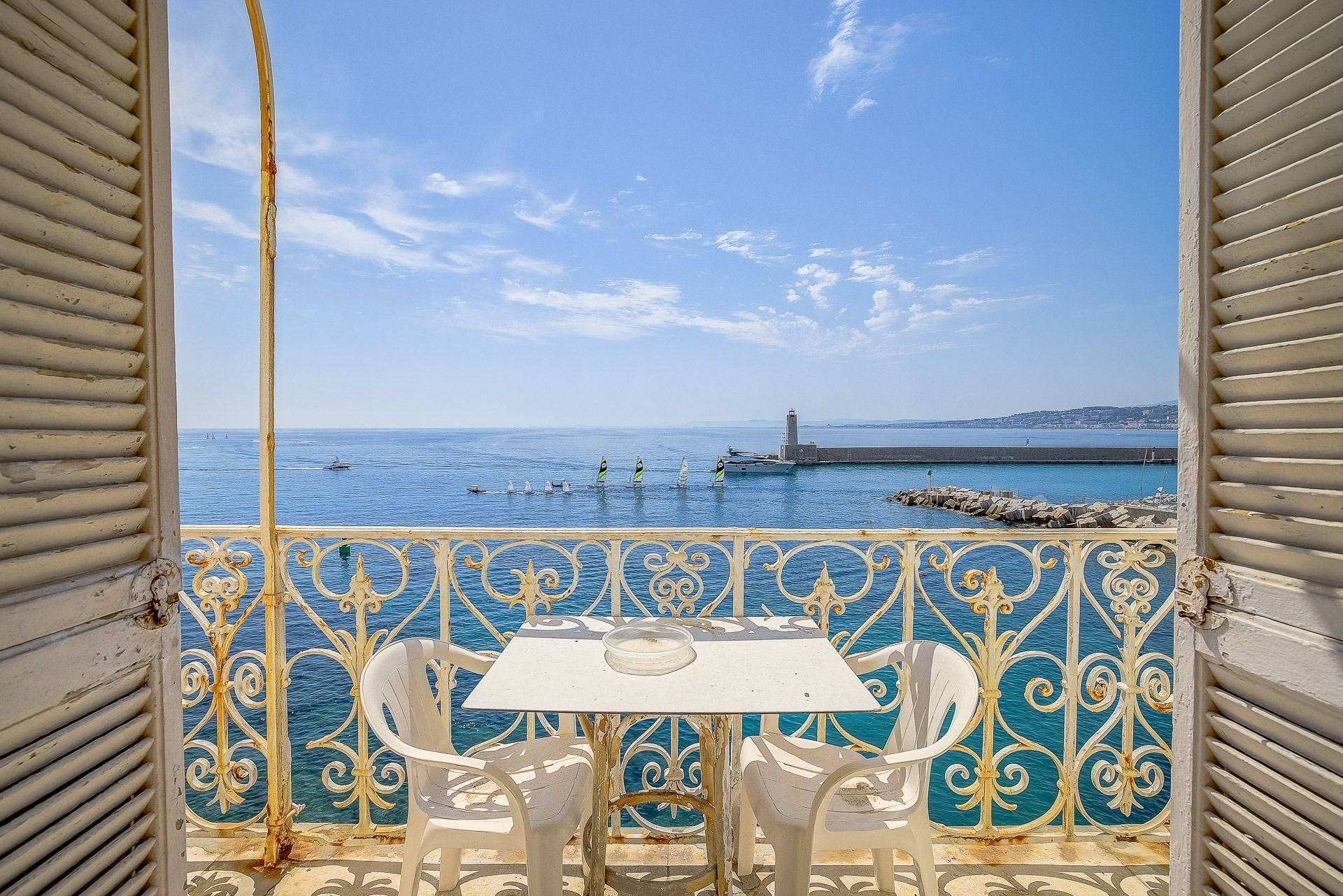
For buyers asking, “can foreigners buy property France?”, the answer is yes.
France places no general nationality or residency restriction on purchasing residential real estate. A US citizen can buy a pied-à-terre in Nice, a Swedish family can purchase a Riviera villa, and a non-EU investor can acquire an apartment without first obtaining a French residence permit.
The more useful question is not whether you are allowed to buy, but how to buy well. French transactions are formal, documentation-heavy, and locally nuanced. On the Côte d’Azur, where a sea-view terrace, a quiet street, or a building’s rules can materially affect value and daily life, thoughtful preparation matters as much as eligibility.
Can foreigners buy property in France without residency?
Yes. You do not need French citizenship, EU citizenship, a French visa, or French tax residency to own property in France. Ownership and the right to live in France are separate matters.
This distinction is particularly relevant for American buyers. You may buy a second home in Nice, but the amount of time you can spend in France depends on your immigration status. US citizens generally fall under the Schengen 90-days-in-any-180-days rule unless they hold a suitable long-stay visa or residence permit. Purchasing a home does not itself create a right to remain beyond that allowance.
For many international clients, this is entirely workable. They use their Riviera home for regular holidays, winter stays, or family visits, then rent it out only where local rules, building regulations, and their own plans permit. Others are relocating and arrange their visa pathway alongside the purchase. These should be treated as connected decisions, but not confused with one another.
What the French buying process looks like
A French property purchase is usually more structured than buyers expect from the US. Once an offer is accepted, the transaction becomes a legal process rather than a period of informal negotiation.
The first major document is typically the compromis de vente, or preliminary sales agreement. It sets out the agreed price, inclusions, deadlines, financing conditions, and any conditions that must be met before completion. A private buyer benefits from a statutory 10-day cooling-off period after receiving the signed agreement.
The final deed, known as the acte authentique, is signed before a notaire. The notaire is a public legal officer, not simply the seller’s lawyer. Their role includes verifying title, conducting mandatory checks, collecting taxes and funds, and registering the transfer. It is common for a buyer to appoint their own notaire as well. This does not normally increase the standard notaire fee, and it can provide an additional point of contact for the buyer’s interests.
A deposit is usually paid after the preliminary agreement becomes binding. The figure is often around 5% to 10% of the price, although it can vary. Funds are held through the notaire’s client account, not transferred directly to the seller.
A cash purchase may complete relatively quickly, while financing, company structures, inheritance planning, or a complex co-ownership file can extend the timetable. Three months is a common planning assumption, but it is not a promise. A careful transaction is preferable to a fast one built on unanswered questions.
Budget beyond the asking price
The advertised price is only part of the commitment. For resale homes, buyers should generally allow roughly 7% to 8% of the purchase price for notaire fees and transfer taxes. On certain new-build purchases, the structure is different and the costs may be lower, though VAT and developer terms need to be understood clearly.
Agency fees may be included in the advertised price or charged separately, depending on how the property is marketed. The mandate and listing details should make this clear. Mortgage arrangement costs, valuation fees, currency-transfer costs, insurance, and renovation budgets may also be relevant.
After completion, owners should plan for taxe foncière, building charges where applicable, utilities, insurance, and ongoing maintenance. A second-home owner may also face taxe d’habitation in areas where it remains due, with local surcharges possible in high-demand locations. The exact position depends on the property, municipality, and the way it is used.
French tax rules can also matter at a higher ownership level. France’s real-estate wealth tax, known as IFI, may apply when net taxable real estate holdings cross the applicable threshold. Nonresidents are generally assessed on French real estate, while French tax residents may have wider exposure. This is an area for advice from a cross-border tax professional before contracts are signed, particularly for buyers with multiple properties or family wealth-planning considerations.
Financing as a foreign buyer
Foreigners can obtain French mortgages, but lending is not automatic. French banks look closely at income, existing debt, available deposit, tax residence, currency exposure, and the overall strength of the file. Nonresident buyers are often asked for a larger down payment and extensive supporting documentation.
Expect to provide identification, proof of address, tax returns, bank statements, income evidence, details of existing loans, and information on the source of funds. Self-employed buyers and those paid in currencies other than euros may need to allow more time for underwriting.
A mortgage contingency should be drafted carefully into the preliminary agreement if financing is essential. Without the right protection, failure to secure a loan can put the deposit at risk. Conversely, all-cash buyers should still document their funds early. France has strict anti-money-laundering requirements, and a clear source-of-funds trail avoids last-minute delays.
Currency is another practical consideration for US and other non-euro buyers. A favorable exchange rate can change the true purchase price significantly, while a sharp movement before completion can strain a budget. Some buyers transfer funds in stages; others use a specialist foreign-exchange strategy. The right approach depends on timing, risk tolerance, and the currency in which your assets and income are held.
Due diligence matters in Nice and the Riviera
A beautiful façade and a glimpse of blue water are never the full story. In Nice, an apartment in a Belle Époque building among the pines can be exceptional, but it may also come with shared maintenance decisions, elevator work, façade obligations, or restrictions on short-term rentals. In the Old Town, ochre lanes and baroque squares bring atmosphere, while access, noise, sunlight, and seasonal activity need to be assessed honestly.
For apartments, the co-ownership documents deserve real attention. Review the annual charges, recent meeting minutes, planned works, reserve funds, building regulations, and any disputes. Ask whether the apartment can be rented in the way you intend. A terrace, parking space, cellar, or sea view should also be confirmed in the legal documentation rather than assumed from a sales description.
France requires a substantial set of technical diagnostics. These can cover energy performance, asbestos, lead, termites in relevant zones, natural risks, gas, electricity, and more. The energy performance certificate, or DPE, has become especially significant. A poor rating may affect renovation priorities, running costs, and the future ability to rent the property under evolving French rules.
For villas, buyers should look beyond the house itself to boundaries, access rights, pool compliance, drainage, planning history, and local risk exposure. The Riviera’s topography is part of its appeal, but hillside settings can bring practical questions around access, retaining walls, runoff, and insurance.
Should you buy personally or through a French company?
Many overseas buyers purchase in their own names. It is often the most straightforward option, particularly for a single buyer or couple acquiring a personal second home.
An SCI, a French civil property company, can be useful for some families because it may help organize shared ownership and future transfers. It is not automatically the best solution, however. It creates administration, has tax implications, and can complicate financing or future sale depending on the circumstances. Corporate ownership may suit certain investment cases, but it should not be chosen simply because someone says it is “more tax efficient.”
Your nationality, family situation, intended use, financing, estate planning, and tax residence all shape the right structure. US citizens should also consider US reporting and estate-planning implications with advisers who understand both jurisdictions.
The value of a local buyer representative
International buyers are often well informed before they arrive. What they cannot see from abroad is the difference between two streets in Carré d’Or, the rhythm of a particular block in Musiciens, or whether an apparently quiet apartment near the Port will feel quite different in August.
A local representative can narrow the search, assess pricing against genuinely comparable sales, coordinate viewings, communicate with French agents and notaires, and keep the practical details moving after acceptance. This is especially valuable when a buyer is managing the process from another country and cannot attend every inspection, bank meeting, or key handover.
Warde Property works with a limited number of buyers across Nice and the Côte d’Azur, providing the local judgment and personal follow-through that a cross-border purchase requires.
The right French property should feel compelling, but the purchase should also stand up to careful scrutiny. Give yourself time to understand the building, the neighbourhood, the costs, and the legal terms. Then the moment you collect the keys can feel less like a leap abroad and more like the beginning of a well-chosen life in France.
More from Articles
10 best Nice neighbourhoods to live in for buyers
Looking for the best Nice neighbourhoods to live in? Compare lifestyle, property character, transport, and practical trade-offs before you buy confidently in Nice.
Costs when buying property in France: plan ahead
Understand costs when buying property in France, from notaire fees and agency terms to taxes, mortgages, and owning a home on the Côte d’Azur clearly.
10 best Nice neighbourhoods to live in for buyers
Looking for the best Nice neighbourhoods to live in? Compare lifestyle, property character, transport, and practical trade-offs before you buy confidently in Nice.Costs when buying property in France: plan ahead
Understand costs when buying property in France, from notaire fees and agency terms to taxes, mortgages, and owning a home on the Côte d’Azur clearly.