10 best Nice neighbourhoods to live in for buyers
Looking for the best Nice neighbourhoods to live in? Compare lifestyle, property character, transport, and practical trade-offs before you buy confidently in Nice.

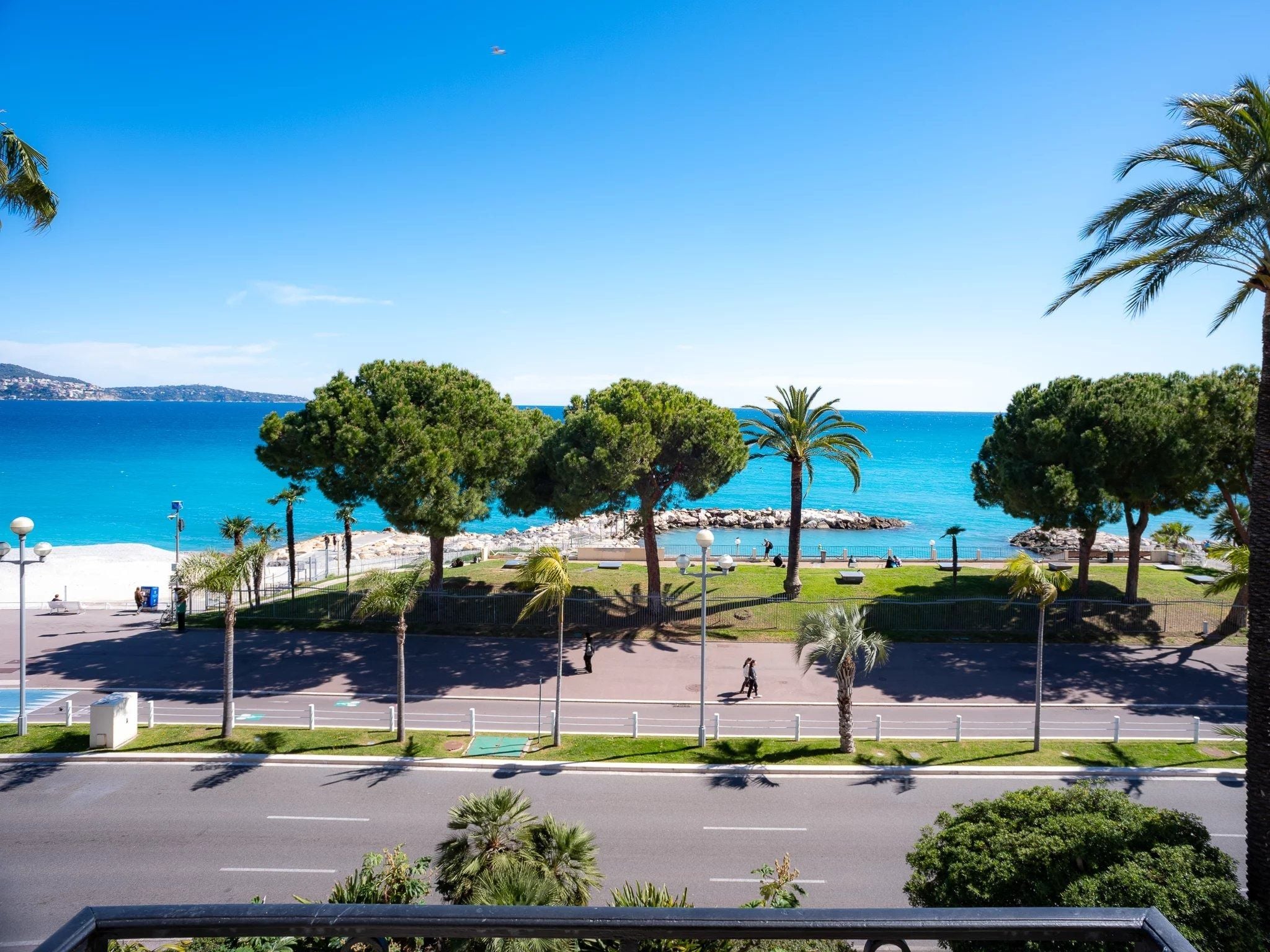
A sea view from Mont Boron, a morning croissant near Libération market, or a Belle Époque apartment a few steps from the Promenade can each represent a very different version of life in Nice.
For buyers moving from abroad, the best Nice neighbourhoods to live in are not simply the prettiest addresses. They are the places where daily rhythm, building character, transport, noise levels, resale prospects, and budget all align.
Nice is compact by international standards, but street-by-street distinctions matter. A south-facing apartment near a tram stop may be more practical year-round than a larger home on a hillside with difficult parking. Equally, the right choice for a family relocating permanently may not suit a buyer seeking a lock-up-and-leave pied-à-terre.
How to choose among the best Nice neighbourhoods to live in
Start with how often you expect to use the property and how you want to live when you are there. Buyers who intend to walk to restaurants, the beach, and cultural venues often favor central Nice. Those seeking quiet, greenery, and more generous proportions usually look north or west of the center, accepting a greater reliance on a car or bus.
Building condition deserves equal attention. Nice has extraordinary period architecture, but an elegant façade can conceal upcoming common-area works, no elevator, or higher service charges. Newer residences can offer terraces, garages, and modern insulation, although sometimes with less architectural charm. The best neighbourhood is ultimately one that fits both the apartment and the life you intend to lead.
10 neighbourhoods to consider in Nice
1. Carré d’Or
Carré d’Or is central Nice at its most polished. Set behind the Promenade des Anglais and around Rue Masséna, Boulevard Victor Hugo, and the pedestrian zone, it offers restaurants, boutiques, beaches, and everyday services within a short walk. It is particularly appealing for second-home buyers who want to arrive, put away the suitcase, and immediately enjoy the city.
Properties range from classic bourgeois apartments with high ceilings and moldings to renovated pieds-à-terre in well-kept buildings. The trade-off is price, along with summer activity and limited private parking. For a primary residence, choose the exact street carefully: a quiet position just off the busiest pedestrian routes can make a significant difference.
2. Musiciens
Musiciens has the grace of central Nice with a more residential temperament. Its streets are lined with late-19th- and early-20th-century buildings, and Boulevard Victor Hugo, the train station, and the tram are all close at hand. It works well for buyers who value period detail, central convenience, and easy connections to Monaco, Cannes, or the airport.
This is a strong choice for professionals and frequent travelers. It has less immediate beach atmosphere than Carré d’Or, though the sea remains walkable, and some streets carry more traffic than others. Look closely at floor level, window quality, and whether the apartment faces a boulevard or a quieter side street.
3. Le Port
The Port has become one of Nice’s most interesting lifestyle addresses. Colourful façades, independent cafés, antique dealers, and a growing food scene give it a creative, lived-in energy. The tram has also made access to the center easier, while the harbor and coastal walks toward Cap de Nice provide a distinct maritime feel.
Buyers find everything from compact investment apartments to substantial homes in period buildings. The area suits those who enjoy being close to the action without living in the heart of the tourist center. Certain pockets can be lively in the evening, and harbor-facing properties may command a premium, but Le Port offers genuine character and good long-term appeal.
4. old town, or vieux Nice
Vieux Nice is all ochre lanes, baroque squares, market stalls, and shuttered windows. It is one of the most atmospheric places to own a home in the city, particularly for buyers who want a Riviera pied-à-terre with culture on the doorstep. Cours Saleya, the beach, and the Castle Hill gardens are moments away.
Its romance comes with practical compromises. Many buildings do not have elevators, parking is difficult, and lively streets can remain active late into the night. Apartment layouts may be unconventional, and renovation standards vary greatly. For the right buyer, these are not drawbacks but part of the appeal. For others, a quieter edge of the old town may be the wiser purchase.
5. Cimiez
Cimiez offers a calmer, more established side of Nice. Above the center, it is known for Belle Époque villas among the pines, elegant apartment buildings, the Roman arena, and the gardens around the Matisse Museum. It has long attracted buyers looking for space, dignity, and a residential setting without leaving the city.
Families, retirees, and buyers who prefer a year-round home often gravitate here. Apartments can be more generous than in the center, sometimes with balconies, gardens, or open views. The compromise is that the sea and central nightlife are no longer at the doorstep, and the slope can feel pronounced on foot. A car or regular use of buses may be preferable depending on the exact address.
6. Libération
Libération feels like a proper Nice neighbourhood rather than a resort district. Its daily market, food shops, cafés, and tram connection create an easy local rhythm, while the city center is only a short ride or walk away. The renovated Gare du Sud area adds restaurants and services without changing the neighbourhood’s grounded character.
It is often an appealing value alternative to the most central quarters, particularly for buyers seeking more living space or an authentic primary-residence feel. The housing stock is mixed, with traditional Niçois buildings, newer developments, and renovation opportunities. Buyers should consider proximity to tram lines and commercial streets, since sound levels can differ sharply from one block to the next.
7. riquier and république
Riquier and République sit between Le Port, the old town, and eastern Nice. They have benefited from improved transport, new shops, and proximity to the Port without carrying the same price premium in every street. This is a practical area for buyers who want an active neighbourhood, good rail access from Nice Riquier station, and a realistic route into the center.
The property mix includes older apartments with character and modern residences with elevators, terraces, and parking. It can suit investors as well as full-time residents, but it rewards careful selection. Some streets feel distinctly residential, while others are busier and more transitional. A viewing at different times of day is worthwhile.
8. Mont Boron
For many buyers, Mont Boron is the address that captures the dream of the Riviera. The wooded hill between the Port and Cap de Nice offers villas, prestigious apartments, sea views, and a sense of retreat above the city. It is especially attractive to buyers seeking privacy, outdoor space, and a more discreet setting.
Views and greenery come at a cost, both financially and practically. Inventory is limited, steep roads are common, and a car is often essential. Not every property has easy access, flat parking, or a walkable route to shops. When these elements are in place, Mont Boron remains one of Nice’s most enduring residential choices.
9. Fabron and the western hills
Fabron offers a different kind of Riviera living: larger residences, swimming pools, terraces, gardens, and broad sea views. West of the center and rising toward the hills, it appeals to buyers who want more space and a calmer environment while retaining access to the Promenade, airport, and major road links.
This area can represent better value per square foot than prime central Nice, especially in residences built from the 1960s onward. However, the experience varies considerably between lower Fabron, which is closer to amenities, and higher addresses that feel more secluded. Check bus access, exposure, service charges, and parking carefully, particularly if the property will be used throughout the year.
10. Gairaut
Gairaut is a green, residential hilltop area north of the center, known for villas, mature gardens, and far-reaching views over Nice. It is a natural fit for families and buyers who prioritize tranquility over being able to walk to the beach. The atmosphere is almost semi-rural in places, despite remaining within the city.
Homes here may offer the space that is hard to find in central Nice, including pools, gardens, and secure parking. The trade-off is convenience: schools, shops, and transport need to be assessed from the specific property rather than assumed. For a household with cars and a preference for privacy, that may be a very acceptable exchange.
A neighbourhood decision should begin with the property brief
No area guide can replace time spent on the streets that interest you. In Nice, the sunny side of a boulevard, the presence of an elevator, a planned tram route, or the walk from a building to the nearest bakery can change the decision as much as the neighbourhood name. Buyers purchasing from overseas should also factor in practical ownership: whether the building is easy to manage from afar, the likely maintenance needs, and how straightforward it will be to rent or resell if plans change.
At Warde Property, a private search begins with these details rather than a generic map pin. The most satisfying purchases tend to come from being precise about the life you want in Nice, then allowing the right street, building, and apartment to reveal the neighbourhood that truly fits.
More from Articles
Can foreigners buy property in France? key rules
Can foreigners buy property France? Yes. Learn the buying rules, taxes, financing realities, and Riviera steps for a confident French purchase abroad.
Costs when buying property in France: plan ahead
Understand costs when buying property in France, from notaire fees and agency terms to taxes, mortgages, and owning a home on the Côte d’Azur clearly.
Can foreigners buy property in France? key rules
Can foreigners buy property France? Yes. Learn the buying rules, taxes, financing realities, and Riviera steps for a confident French purchase abroad.Costs when buying property in France: plan ahead
Understand costs when buying property in France, from notaire fees and agency terms to taxes, mortgages, and owning a home on the Côte d’Azur clearly.