What a French Riviera buyer agent does for you
A French Riviera buyer agent brings local search, candid advice, negotiation, and support through the notaire process for buyers purchasing with clarity.


A French Riviera buyer agent is not simply someone who opens doors to apartments with sea views.
For a buyer arriving from abroad, or from another part of France, the role is to make sense of a market where the right address can matter as much as the property itself. A sunny terrace in Nice may be wonderful, but its value changes considerably depending on the building, the street noise, the walk to the tram, the seasonal rental rules, and whether the sea view is protected.
On the Côte d’Azur, beautiful homes are easy to admire. Making a sound decision is harder. A buyer agent represents your interests from the first conversation through signing at the notaire’s office, helping you search with focus, assess compromises honestly, and manage a process that can feel unfamiliar from a distance.
Why Riviera buyers need local representation
Most property agents in France act under a mandate to sell a particular home. They can be highly professional and helpful, but their instruction comes from the seller. A buyer agent works from the other side of the transaction, with a brief built around your priorities, budget, timing, and appetite for renovation or management.
That distinction becomes meaningful in a fragmented market. A two-bedroom apartment in the Carré d’Or may suit someone seeking restaurants, beaches, and an easy pied-à-terre. Another buyer may find that the calm, village-like rhythm of Cimiez, with Belle Époque buildings among the pines, better suits family life. Mont Boron offers a different proposition again: greenery, views, and exceptional villas, often with less immediate access to the center.
Listings alone rarely convey these differences. Square footage does not tell you how a neighborhood feels on a winter Tuesday, whether a road becomes congested in July, or if a building’s elegant facade conceals expensive common works ahead. A good local representative asks questions that narrow the field before you spend days viewing unsuitable homes.
The work begins before the first viewing
An effective search starts with a precise brief, not a broad request for a home near the sea. The initial conversation should establish how you plan to use the property, how often you will be there, who needs to stay in it, and what cannot be compromised.
For some clients, an elevator, air conditioning, and a lock-up-and-leave building are more valuable than period features. For others, original moldings, ceiling height, and proximity to the old town outweigh the convenience of new construction. A relocating family may need school access, parking, and everyday services rather than a postcard view. An investor may prioritize legal rental potential, operating costs, and year-round demand.
A buyer agent turns those preferences into a search strategy. This includes reviewing publicly marketed properties, speaking with local contacts, and identifying opportunities that may not be widely promoted. In a competitive segment, speed matters, but so does discipline. The first available apartment is not necessarily the right apartment.
Looking beyond the photographs
Riviera property photography is often excellent, and it should be. Yet a well-framed image can omit the practical details that determine daily enjoyment and future resale.
During viewings, a buyer representative should look closely at natural light, road exposure, ceiling height, the condition of common areas, storage, access, and the layout’s real usability. They should ask about condominium charges, planned building works, heating and cooling systems, property taxes, and any restrictions attached to the building.
For apartments, the copropriété deserves particular attention. The minutes from owners’ meetings, the building budget, and planned works can reveal whether an apparently attractive purchase will require significant additional spending. For villas, the questions may extend to access, drainage, boundaries, pools, planning history, and maintenance. These are not reasons to reject every imperfect property. They are reasons to understand the price and risk before making an offer.
A French Riviera buyer agent brings perspective to value
Negotiation is not simply about proposing the lowest number. A credible offer considers comparable sales, current competition, the seller’s situation, the condition of the home, and the terms that may matter beyond price.
A seller who needs a short completion period may value certainty. Another may prefer a buyer prepared to allow time for a move. A property that has been on the market for months may invite a firmer negotiation, while a well-priced apartment in a sought-after Nice building can attract several offers quickly. Local intelligence helps distinguish between these scenarios.
Your agent should be willing to say when an asking price appears fair, when a home is being marketed optimistically, and when a supposedly rare opportunity is not as unusual as it seems. Honest advice can occasionally mean advising a client to walk away. That is part of proper representation, particularly when buying abroad makes every decision feel more urgent.
From offer to notaire signing
Once an offer is accepted, the transaction enters a formal French process. The next major step is usually the compromis de vente, or preliminary sale agreement. It sets out the terms of the purchase, relevant conditions, dates, and the responsibilities of each party. Buyers generally have a statutory cooling-off period after receiving the signed agreement, while completion takes place later at the notaire’s office.
The notaire is a public legal official who oversees the conveyance and ensures required legal checks are completed. The notaire is essential, but is not a substitute for a buyer agent. Your buyer representative helps keep the moving parts organized, translates the practical implications of the process, follows up on documents, and keeps communication clear among the seller’s agent, notaire, bank, broker, survey professionals, and any other advisers involved.
If financing is required, the purchase should be structured with appropriate financing conditions. If the property needs renovation, it may be wise to obtain contractor input before committing or to allow for clear conditions and realistic timelines. The right approach depends on the property and your circumstances. A 1930s apartment in a well-run building presents different questions from a hillside villa with extensive grounds.
Support that continues after completion
For overseas buyers, completing the purchase is often the beginning of a practical project. Insurance, bank arrangements, electricity, internet, furnishings, cleaning, renovation, and keyholding all need attention. The most useful buyer agents remain available to introduce reliable local professionals and help the transition feel manageable.
That continuity is particularly valuable when you are not in France full-time. A service designed around a limited number of clients can provide responsive communication and personal accountability rather than passing the file between departments. At Warde Property, that local support is rooted in a detailed understanding of Nice and the wider Côte d’Azur, alongside fluent communication for international buyers.
Choosing the right buyer representative
Before appointing an agent, ask how they are instructed and paid, whether they hold the appropriate French professional credentials, and how they handle potential conflicts when a property is listed by their own agency. Clear answers matter. Dual representation can be permitted in certain circumstances, but you should understand exactly who is advising whom and how the arrangement works.
It is also sensible to ask how the search will be managed. Will the agent personally attend viewings? How will they assess a building’s documents? What happens if you are abroad? Can they explain the differences between neighborhoods without defaulting to the most fashionable address? The right person will be specific rather than making broad promises.
A buyer agent cannot remove every uncertainty from a French property purchase, nor should they pretend to. Markets change, renovation costs rise, and the home that feels perfect at noon may sound different during an evening rush hour. What they can provide is a clear process, local context, and a representative whose incentive is aligned with making a decision you will be comfortable with long after the keys are handed over.
The best Riviera purchase is rarely the one with the most dramatic first impression. It is the home that continues to make sense when you picture the market run, the walk to the beach, the arrival of guests, and an ordinary February morning on the Côte d’Azur.
More from Articles
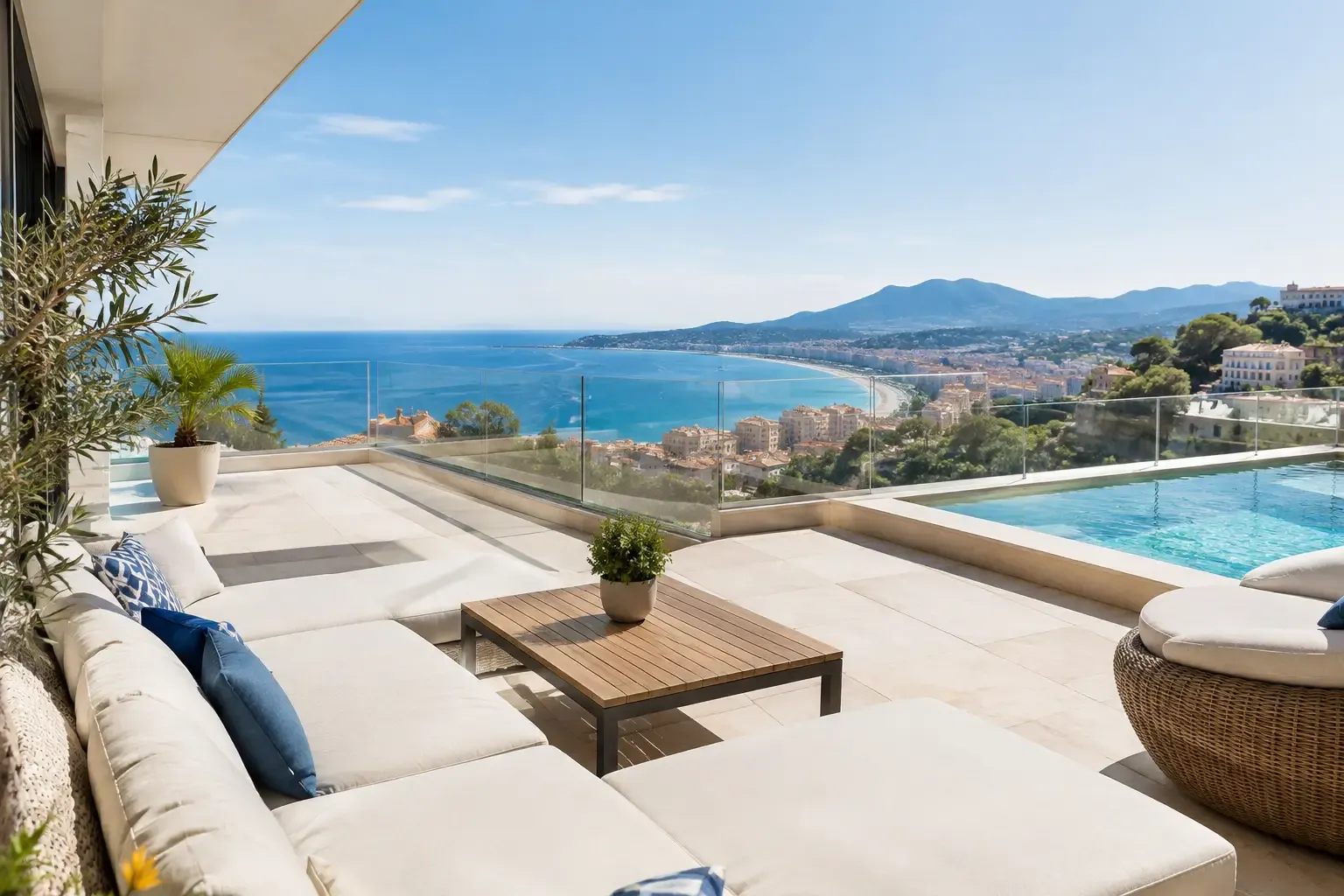
Choosing Nice France penthouses for sale
Considering Nice France penthouses for sale? See how terraces, views, building rules, location, and local advice shape a confident Riviera purchase well.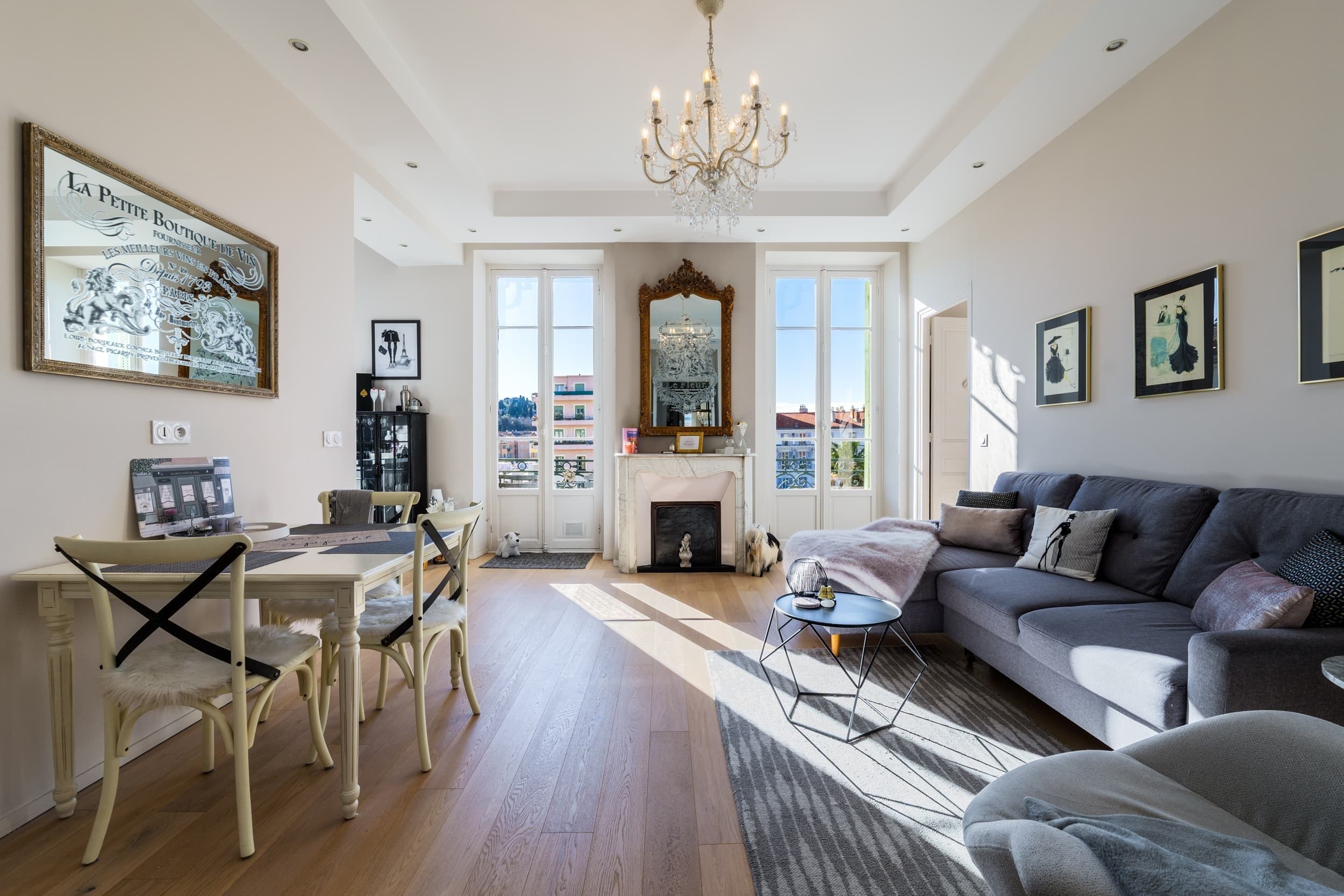
Buy an apartment in Nice, France with confidence
Planning to buy an apartment in Nice, France? Get practical guidance on areas, finance, inspections, and the French purchase process before you commit.