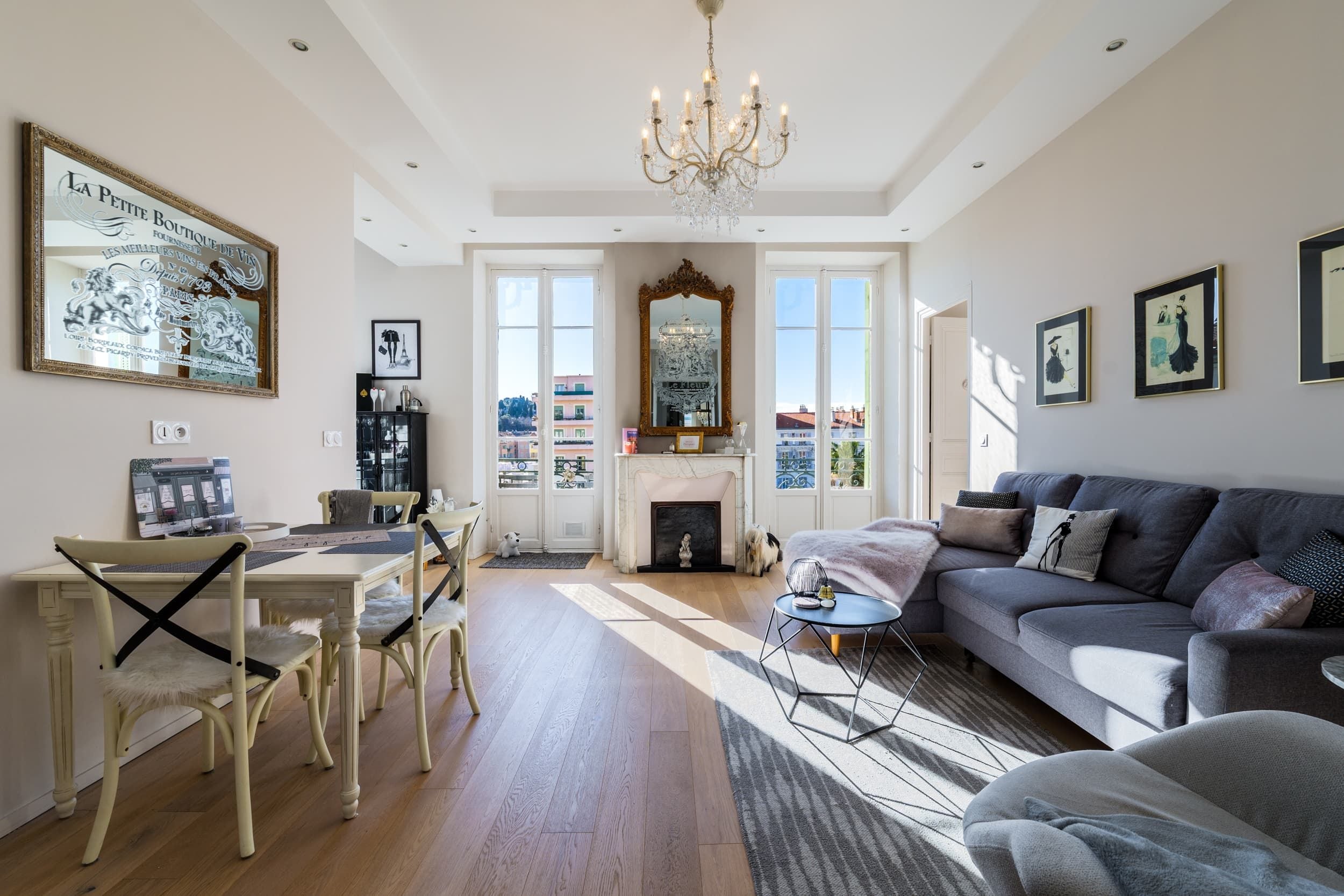
Buy an Apartment in Nice, France With Confidence
Planning to buy an apartment in Nice, France? Get practical guidance on areas, finance, inspections, and the French purchase process before you commit.

A sea view from Mont Boron, a Belle Époque balcony in the Musiciens quarter, or a pied-à-terre behind the ochre lanes of Old Nice can make the decision feel immediate. Yet to buy an apartment in Nice, France well, the romance needs to be matched by careful local judgment. Two buildings on the same street can offer very different noise levels, sunlight, maintenance obligations, rental potential, and resale appeal.
Nice is not one uniform market. It is a working city, a Mediterranean resort, and a year-round international hub, with each neighborhood offering a distinct rhythm. The right purchase starts with a clear view of how you will use the home, followed by a disciplined look at the building, the legal file, and the true cost of ownership.
Why Nice Requires a Local Reading
Nice rewards buyers who look beyond a listing’s square footage and terrace photos. A west-facing apartment may be ideal for late-afternoon light, while a home one block away may face steady traffic or a lively restaurant terrace. In the Old Town, proximity to the market and baroque squares can be part of the appeal, but access, delivery traffic, and summer activity deserve an honest conversation. On the hills, the view may be exceptional, but everyday errands can require a car.
The city’s quarters also serve different priorities. Carré d’Or and the Promenade des Anglais place you close to the sea, restaurants, and central life. Cimiez offers quieter residential streets, cultural landmarks, and elegant period buildings. Libération has a more local, energetic feel, with its market and tram access, while Mont Boron and Cap de Nice suit buyers drawn to greenery, privacy, and the water. Port Lympia combines village character with increasing energy around the harbor.
There is no universally best neighborhood. A couple seeking a walkable second home may value the center and accept a smaller floor plan. A relocating family may place more weight on schools, parking, storage, and a calmer daily routine. An investor may prioritize transport links, building costs, and rental regulations over a postcard view. The most useful question is not, “Which area is best?” It is, “Which part of Nice will still work for us in three years?”
Before You Buy an Apartment in Nice, France, Define the Brief
Start with the non-negotiables, but leave room for the realities of the local market. Decide whether the home is primarily for personal use, occasional stays, long-term rental, or a combination. Be specific about the number of bedrooms, elevator access, outdoor space, air conditioning, parking, and proximity to the airport or train station.
Then distinguish between needs and preferences. In central Nice, an elevator, open view, top floor, terrace, and period character can each materially affect price. Expect trade-offs. A beautiful historic building may have higher maintenance needs and no elevator. A newer residence may provide parking and air conditioning, but with less architectural charm. An apartment close to the beach may be convenient for weekends but less quiet during peak season.
For overseas buyers, it is also wise to decide how much of the search can be done remotely. Video viewings are useful for narrowing options, but they do not replace standing on the balcony at different times of day, walking the route to the nearest market, or hearing what the street sounds like with the windows open.
Set a Budget That Includes the Full Purchase
The asking price is only one part of the commitment. For an existing property in France, notaire fees and related transfer costs are commonly in the region of 7% to 8% of the purchase price. Newer properties may carry lower acquisition costs, often around 2% to 3%, though their pricing and availability are different. Agency fees must also be clearly understood: the listing should state whether they are included in the advertised price and who is responsible for them.
Budget for ongoing costs as well. These may include condominium charges, property tax, home insurance, utilities, and any planned work in the building. A residence with a concierge, gardens, elevator, or pool can be highly desirable, but its annual charges may be substantial. Conversely, a lower-charge building can still need major roof, façade, plumbing, or elevator work.
If financing is needed, obtain a realistic indication of borrowing capacity early. French lenders examine income, existing debt, tax residency, the source of funds, and the property itself. International buyers can obtain mortgages, but the documentation process is detailed and timing matters. Currency movements can also affect a dollar-based buyer’s final cost, so it is sensible to consider how and when funds will be transferred.
Tax treatment depends on your residence, ownership structure, intended use, and wider financial position. A French notaire handles the legal conveyance, but independent cross-border tax advice can be valuable before an offer is made, particularly for buyers planning rental income, family ownership, or future inheritance arrangements.
Examine the Building, Not Just the Apartment
In Nice, many apartments sit within copropriétés, the French condominium structure. Buying the apartment means joining the co-ownership and sharing responsibility for common areas. The building file should be reviewed with the same care as the apartment itself.
This means looking at recent meeting minutes, the annual budget, reserve funds, unpaid charges, insurance claims, and any approved or proposed major work. A façade restoration or roof project can be entirely worthwhile, especially in a character building, but it should never come as a surprise after signing. The condition of stairwells, elevator, entry systems, and exterior walls often tells a fuller story than a freshly painted living room.
Technical diagnostics are equally important. The file may cover energy performance, electricity, gas, asbestos, lead, natural risks, and other matters relevant to the property. Energy performance ratings deserve particular attention. A poor rating may affect comfort, renovation costs, and, where applicable, future rental options. Ask practical questions: Does the apartment have efficient heating? Is air conditioning permitted or already installed? Are shutters, windows, and insulation appropriate for both summer heat and winter damp?
Understand the French Purchase Process
Once an offer is accepted, the parties usually move to a preliminary contract, often called a compromis de vente. This is a serious legal commitment, not a casual reservation. The buyer typically pays a deposit, frequently between 5% and 10%, held through the notaire’s process.
Private buyers benefit from a statutory 10-day cooling-off period after receiving the signed preliminary contract. Beyond that period, withdrawal may have financial consequences unless a stated condition is not met. Common conditions include obtaining mortgage finance, but they must be properly written into the contract. Do not assume that a verbal understanding will protect you later.
The notaire is a public legal officer who prepares the deed, conducts legal checks, receives funds, and completes the transfer. The notaire is impartial rather than a buyer’s personal negotiator. For that reason, a buyer benefits from having clear representation during the search, valuation, offer strategy, and review of practical concerns. Using your own notaire does not usually increase the standard notaire fee, as the work and fee are shared between offices.
Foreign nationals are generally able to purchase property in France. Ownership, however, does not automatically provide a residence visa or alter immigration requirements. Buyers intending to spend significant time in France should keep the property purchase and residency questions separate.
Negotiate With Evidence, Not Emotion
A good offer reflects the apartment’s condition, exact position, recent comparable sales, building obligations, and the seller’s situation. A low offer without reasoning can close a useful conversation. An offer supported by evidence, clear financing, and workable timing is more credible, especially when there are competing buyers.
This is where street-by-street knowledge changes the quality of advice. A price per square foot is only a starting point in Nice. A fifth-floor apartment with an elevator, open outlook, and southern exposure cannot be compared mechanically with a ground-floor unit on a busier street. Equally, an exceptional view may not justify the premium if access, renovation needs, or high charges undermine how the property will be used.
Warde Property approaches this stage as buyer representation rather than a push to close: identifying the questions that matter, communicating clearly with French-speaking parties, and helping clients make a decision they can stand behind.
Let the First Visit Be the Beginning
The strongest purchases tend to come from buyers who stay curious after they fall in love with a home. Return at a different hour if possible. Check mobile reception, parking, building access, and the walk to daily essentials. Ask about summer heat, winter light, and the neighbors. If renovation is planned, establish what the condominium permits before treating a layout change as straightforward.
Nice can offer a remarkable combination of sea, city life, architecture, and access to the wider Riviera. The apartment that proves most valuable is rarely just the one with the best photograph. It is the one whose location, building, costs, and everyday character continue to feel right long after the keys are handed over.
Buying on the French Riviera
How a purchase works in France, the costs to plan for beyond the price, and how to choose the right area.
More from Articles
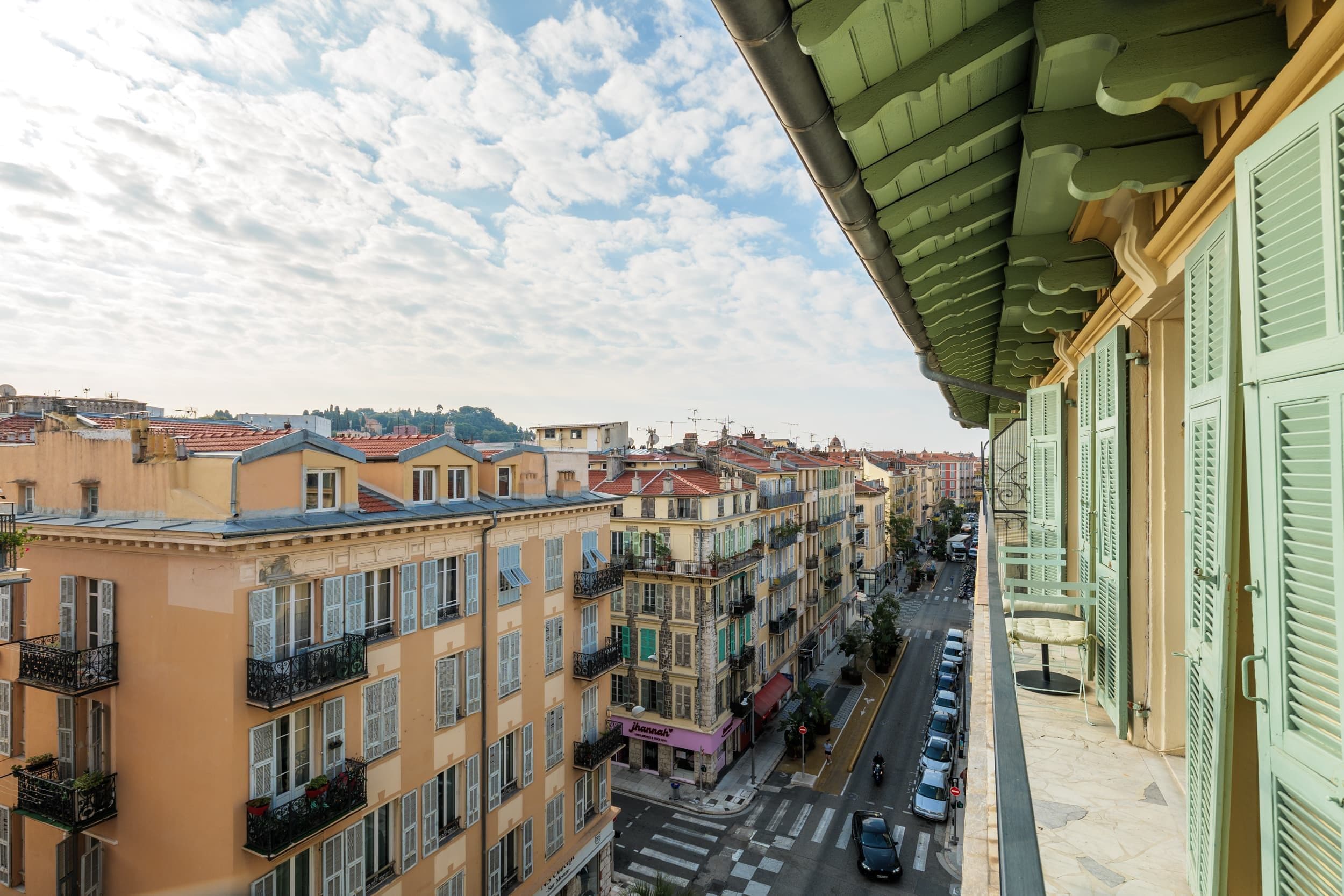
Property for Sale in Nice, Chosen With Care
Considering property for sale in Nice? See how neighborhoods, building details, French buying costs, and local advice shape a confident decision for buyers.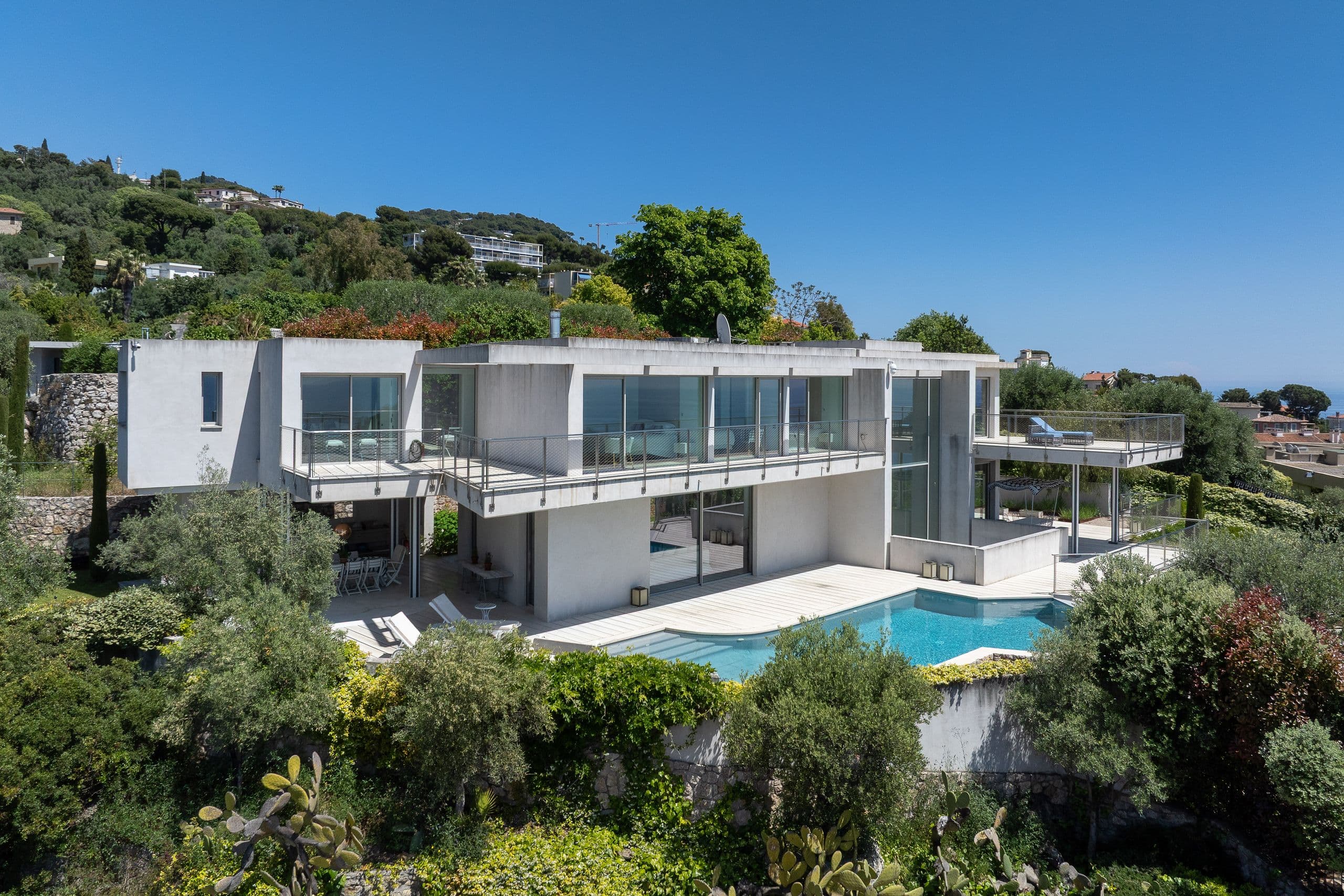
French Riviera Villas for Sale in the Right Area
Considering French Riviera villas for sale? Learn how location, access, condition, and French buying costs shape a confident, well-informed home purchase.