
French Riviera Villas for Sale in the Right Area
Considering French Riviera villas for sale? Learn how location, access, condition, and French buying costs shape a confident, well-informed home purchase.

A terrace looking over the Mediterranean is compelling, but it is rarely the view alone that makes a Riviera villa a good purchase. The finest French Riviera villas for sale pair a beautiful setting with the practical details that support daily life: an easy drive to the airport, genuine privacy, reliable access in summer, and a neighborhood that still feels right when the beaches are quiet in January.
For buyers coming from the United States or elsewhere abroad, the Riviera can initially appear compact. Nice, Cannes, Antibes, Villefranche-sur-Mer, and the inland villages sit close together on a map. In reality, the experience can change dramatically from one hillside, peninsula, or village street to the next. Choosing well starts with understanding those differences before falling in love with a particular pool or panorama.
French Riviera villas for sale: begin with daily life
The Côte d’Azur offers several distinct versions of villa living. Nice appeals to buyers who want a real city around them: restaurants, markets, museums, international schools, hospitals, and a major airport within easy reach. In the Cimiez hills, Gairaut, or Mont Boron, villas can offer gardens and sea views while remaining connected to city life. The trade-off is that land is scarce, roads can be narrow, and complete seclusion is less common than in more rural settings.
West of Nice, Cap d’Antibes has enduring appeal for its pines, beaches, and discreet residential character. It suits buyers who value proximity to the sea and a polished, established environment. Properties here often command a premium for address, walkability, and access to the coast, even when a villa needs modernization.
Cannes and its surrounding hills offer a different balance. The city brings dining, events, marinas, and a lively international rhythm, while areas such as Super Cannes, Vallauris, and Mougins can provide larger plots and a more relaxed setting. For some families, Mougins is especially attractive because it combines village character, schools, and practical access to Sophia Antipolis. The drive to the coast, however, matters more in peak season than it may appear during a quiet winter viewing.
To the east, Villefranche-sur-Mer, Beaulieu-sur-Mer, and Saint-Jean-Cap-Ferrat are prized for their dramatic bays, Belle Époque villas among the pines, and closeness to Nice. These are exceptional locations, but steep terrain, limited parking, and protected planning rules can influence both renovation plans and everyday convenience. Inland villages such as Saint-Paul-de-Vence, Vence, and Valbonne offer more space, ochre lanes and baroque squares, and a calmer pace, with a longer journey to the sea and airport.
The right choice depends on how the home will be used. A couple seeking a lock-and-leave second residence may place walkability and airport access above acreage. A relocating family may prioritize schools, a level garden, year-round services, and a straightforward school run. An investor should consider rental rules, seasonality, and the depth of resale demand rather than relying only on a postcard view.
Look beyond the photographs
Villa photography on the Riviera is often magnificent. It can also conceal the questions that determine whether a property is easy to own. A sea view may come with a steep, single-lane approach. A large garden may require substantial irrigation and maintenance. A historic house may have real charm but need careful, costly work before it meets modern expectations.
During a viewing, assess the approach as closely as the living room. Drive the route from the airport, town center, beach, and nearest grocery store. Consider turning space, garage access, guest parking, and whether delivery vehicles can reach the house. If you expect to spend time there in all seasons, ask about sun exposure, prevailing wind, heating, insulation, and the reality of the road after heavy rain.
The plot deserves equal attention. On the Riviera, land can be terraced, sloping, wooded, or subject to restrictions that limit what can be changed. Mature landscaping is valuable, but it brings responsibility. Find out who maintains it, how water is supplied, whether there is an automatic irrigation system, and what it costs to run the pool, gates, and exterior lighting.
Condition is not a single question
A recently renovated villa may reduce immediate disruption, but the quality and permissions behind the work still need review. Ask when the roof, plumbing, electrical system, windows, pool equipment, drainage, and air conditioning were last replaced or serviced. In older homes, a renovation can be an opportunity to create something personal, provided the budget, timetable, and local planning position are realistic.
French diagnostic reports are part of the transaction and can identify issues such as energy performance, lead, asbestos, termites in relevant areas, and certain natural risks. They are useful, but they are not a substitute for a thorough independent technical assessment when the property is older, unusually designed, or undergoing major renovation. If a villa has an extension, guest house, pool, or converted garage, verify that the documentation corresponds with what stands on the land.
Understand what the asking price includes
The advertised figure is only one part of the purchase calculation. Resale homes in France generally involve notaire costs and taxes that are materially higher than many overseas buyers expect. Agency fees may be included in the advertised price or shown separately, so the presentation of the price should be checked carefully. Newer properties can follow a different tax treatment, and the precise position depends on the transaction.
After completion, annual ownership costs can include property taxes, insurance, utilities, pool and garden care, security, and, where relevant, condominium charges. A villa within a private domain may have rules and shared costs that affect exterior works, parking, or rental use. These are not reasons to avoid a property. They are reasons to compare homes on their true annual cost and ownership burden, not merely their asking price.
For buyers considering rental income, local rules must be reviewed before assumptions are built into the financial plan. Demand can be excellent in the right location, but occupancy varies by season, management takes work, and some municipalities apply registration or other requirements. A villa purchased primarily for personal enjoyment should stand on its own merits even if it is occasionally rented.
French Riviera villas for sale require local due diligence
The French purchase process is structured, but it can feel unfamiliar from abroad. Once a price is agreed, the parties typically sign a preliminary contract, often called a compromis de vente. This sets out the terms, conditions, timelines, and any financing or due-diligence provisions. The notaire is a public legal officer who handles the legal completion and registration, acting impartially rather than as either party’s negotiator.
That distinction matters. A buyer benefits from having someone whose role is to examine the property choice, ask practical questions early, coordinate with local parties, and keep the commercial objective clear. This is particularly valuable when a buyer is overseas, unable to attend every viewing, or comparing several areas with very different market dynamics.
A well-prepared offer does more than state a number. It explains the buyer’s position, proposed timing, financing approach, and any essential conditions. Sellers often value clarity and certainty, especially when a property has attracted international interest. From offer to signing, responsive communication in English and French can prevent small misunderstandings from becoming unnecessary delays.
What tends to hold value
There is no formula that guarantees future appreciation, but certain qualities consistently support demand. A good Riviera villa is usually easy to understand: a recognized micro-location, usable outdoor space, secure parking, a coherent layout, and access that does not make daily life difficult. The combination of a view and a practical location is generally stronger than either feature in isolation.
Privacy is valuable, but total isolation can narrow the buyer pool. Large houses are impressive, though a well-proportioned four-bedroom home near a village or the coast can be more liquid at resale than a much larger property requiring a long drive. Likewise, a renovated home may justify a premium when the work is well executed and legally documented, while an unfinished project should be priced with both its potential and its risk in mind.
Warde Property approaches these choices with street-by-street knowledge of Nice and the wider Côte d’Azur, helping clients separate a compelling first impression from a property that genuinely fits their plans.
The most satisfying Riviera purchase is rarely the villa that looks best in a single photograph. It is the one whose setting, condition, costs, and rhythm of life still feel right after the keys are in your hand and the first summer has passed.
Buying on the French Riviera
How a purchase works in France, the costs to plan for beyond the price, and how to choose the right area.
More from Articles

Selling your home in Nice: the process, step by step
From the first valuation to the day the keys change hands, selling a home in France follows a clear path. Here is what happens at each step, what you need to prepare, and how long it takes.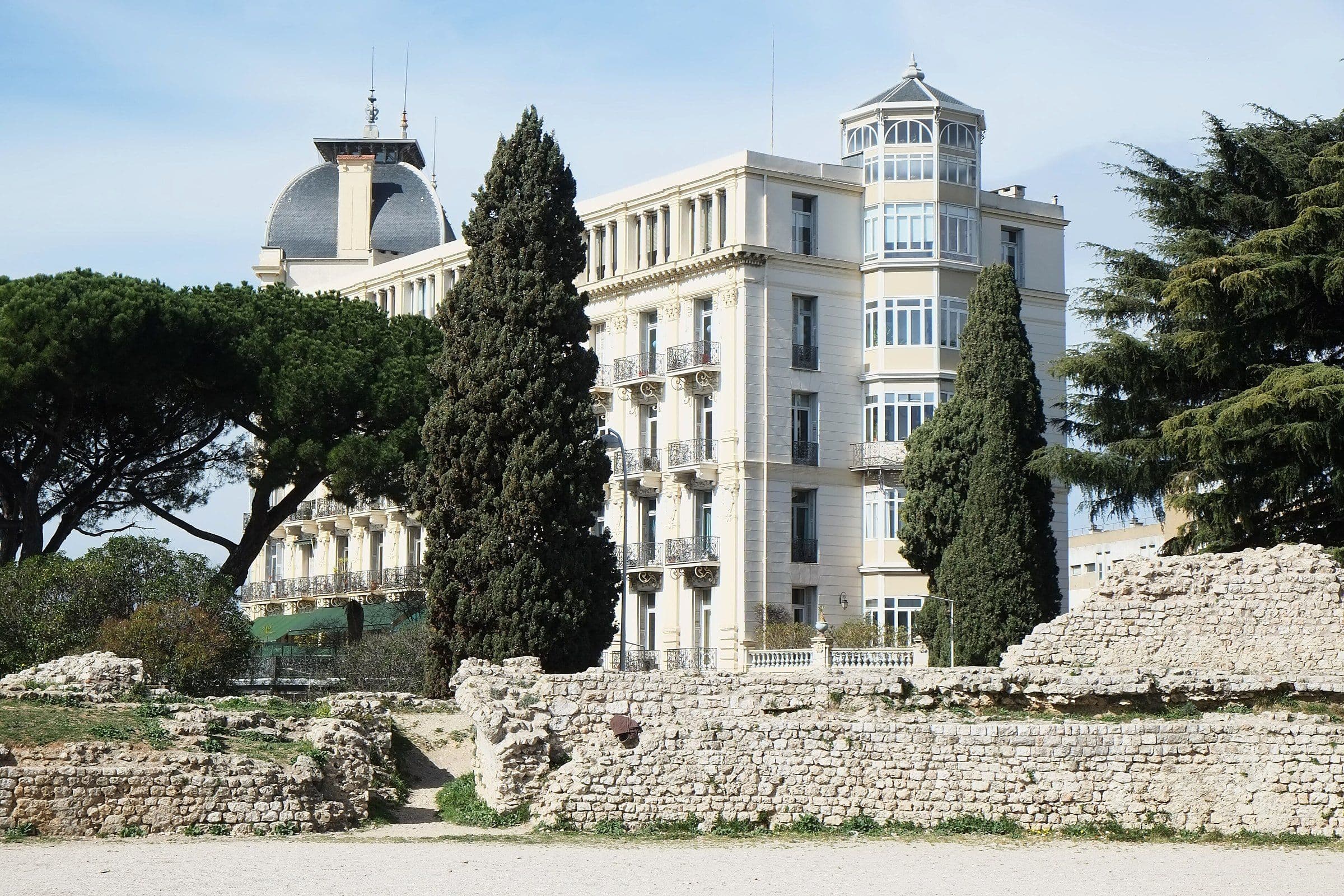
Buying a Belle Époque apartment in Nice: what to look for
High ceilings, mouldings, parquet and wrought-iron balconies: the Belle Époque apartment is the classic home of Nice. Here is where to find them, what makes a good one, and what to check before you buy.