
Buying a home in Nice with a French mortgage as a non-resident
You do not need to live in France to borrow there. French banks lend to non-residents every day, on their own terms. Here is how much you can expect to borrow, what the bank will ask for, and how the loan fits into the purchase.

Many foreign buyers assume they must pay cash for a home in France, or borrow at home against something else. Neither is necessary. French banks lend to people who live abroad, and for many buyers a French loan is the simplest way to finance a French home: the debt, the property and the costs are all in the same currency.
The terms are different from those for residents, and the process has its own rhythm. This guide explains what to expect, and how to time the loan with the purchase.
Can a non-resident get a mortgage in France?
Yes. What the bank looks at is not your nationality but where you live and where your income comes from. Residents of the European Union and neighbouring countries find the widest choice of lenders. Buyers from further away can also borrow, though fewer banks will consider them, the deposit required is larger, and some lenders do not accept residents of certain countries at all.
A mortgage broker who works with non-residents knows which banks lend to whom at the moment, which saves weeks of applications that were never going to succeed.

How much can you borrow?
Two limits decide it.
- The share of the price. Non-residents are usually asked to put in a larger deposit than residents: commonly 20 to 30 per cent of the price for buyers living in Europe, and more for those outside it. The purchase costs, mainly the notaire’s fees and taxes, come on top and are normally paid from your own funds.
- The share of your income. French lending rules cap total loan repayments, including your existing loans and the insurance on the new one, at about 35 per cent of your income. The bank counts all your commitments, wherever they are.
Loans normally run for up to 20 or 25 years, and must usually be repaid before a certain age. Most French mortgages are at a fixed rate for the whole term, which makes the cost predictable from the first day.
What the bank will ask for
French banks lend on documents, and they ask for a great many. Having them ready before you make an offer is the single most useful thing you can do. Expect to provide:
- Passport and proof of address.
- Your last two or three tax returns and recent payslips, or accounts for the last three years if you are self-employed.
- Bank statements for the last three months, for all your accounts.
- Details of your existing loans, rent and other commitments.
- Proof of your deposit and where it comes from.
- The signed compromis de vente, once you have it.
Documents in other languages may need a translation. The bank will also ask you to take out life insurance covering the loan, which usually involves a health questionnaire and, for larger loans or older borrowers, a medical examination.
How the loan fits into the purchase
The loan and the purchase run side by side, and the dates matter:
- Before you view: ask a bank or broker for an agreement in principle. It tells you your budget, and sellers take an offer more seriously when the financing has been looked at.
- The offer and the compromis de vente: the contract states that the purchase depends on your obtaining the loan described, with the amount, term and maximum rate. If the bank refuses it within the agreed period, usually 45 to 60 days, you can withdraw and your deposit is returned.
- The formal application: you submit the full file as soon as the compromis is signed. The bank values the property and issues its written offer.
- The loan offer: by law you must wait ten full days after receiving it before you may accept. It cannot be shortened, so count it into your timetable.
- Completion: the bank sends the funds to the notaire for the signing of the acte de vente.
Altogether, allow two to three months from the compromis for the loan. That is also the normal time to completion, so the two fit, provided the file goes in promptly. The whole purchase is described in our step-by-step guide to buying in Nice.

What the loan costs
- Arrangement fee: charged by the bank for setting up the loan.
- Broker’s fee: if you use one, payable only if the loan goes ahead.
- Security: the bank takes a mortgage over the property, registered by the notaire, which carries its own fees and tax.
- Borrower’s insurance: paid monthly with the loan. You are free to choose an insurer other than the bank’s, and it is often cheaper.
- A French bank account: the repayments are collected from it, so you will open one with the lender.
If you repay the loan early, for example when you sell, the penalty is capped by law at six months’ interest and no more than three per cent of the capital outstanding. For all the other costs of a purchase, see the real costs of buying a home on the French Riviera.
Borrow in France, or at home?
A French loan in euros matches the property: if the euro moves against your own currency, the home and the debt move together. If your income is in another currency, remember that your repayments in euros will cost more or less from year to year. Borrowing at home against other property can be quicker and may allow you to buy as a cash buyer, which strengthens your position with the seller. Many buyers compare both before deciding.
Frequently asked questions
Can foreigners get a mortgage in France?
Yes. French banks lend to non-residents, with a larger deposit than for residents. The choice of lenders depends on where you live and where your income comes from.
How much deposit does a non-resident need to buy in France?
Commonly 20 to 30 per cent of the price for buyers living in Europe, more for those outside it, plus the purchase costs, which are normally paid from your own funds.
How long does it take to get a French mortgage?
Allow two to three months from the signing of the compromis de vente, including the ten days the law requires you to wait before accepting the bank’s offer.
What happens if my mortgage is refused?
If the compromis de vente contains a loan condition and the bank refuses the loan described within the agreed period, you can withdraw from the purchase and your deposit is returned.
Planning to buy in Nice with a loan? Get in touch before you start viewing: we can put you in contact with brokers who work with non-resident buyers every week.
This article provides general information and does not constitute legal, tax or financial advice. Rules, rates and thresholds change; always confirm the details of your own sale or purchase with your bank, broker and notaire.
Buying on the French Riviera
How a purchase works in France, the costs to plan for beyond the price, and how to choose the right area.

More from Articles

Selling your home in Nice: the process, step by step
From the first valuation to the day the keys change hands, selling a home in France follows a clear path. Here is what happens at each step, what you need to prepare, and how long it takes.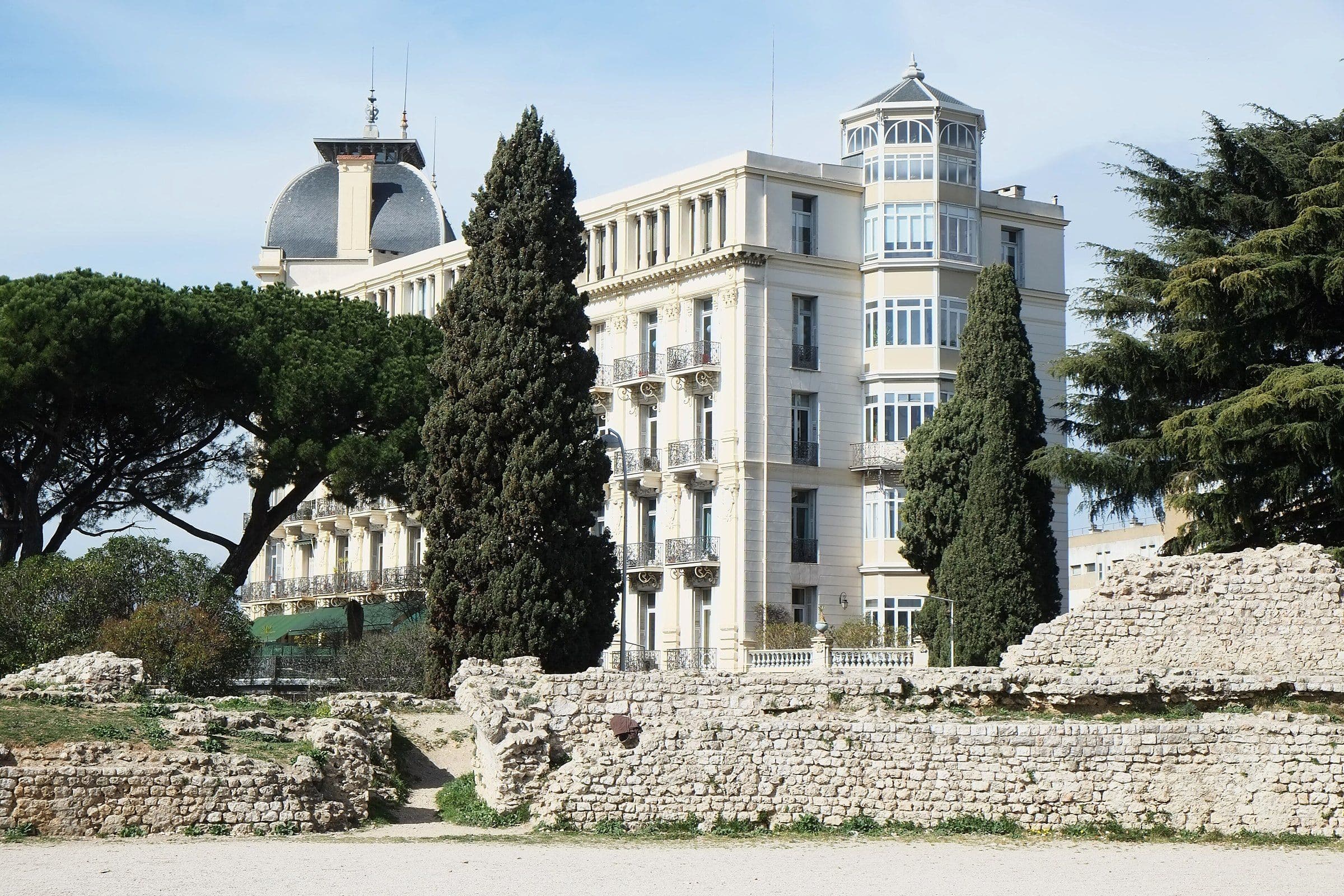
Buying a Belle Époque apartment in Nice: what to look for
High ceilings, mouldings, parquet and wrought-iron balconies: the Belle Époque apartment is the classic home of Nice. Here is where to find them, what makes a good one, and what to check before you buy.