Property for Sale in Nice, Chosen With Care
Considering property for sale in Nice? See how neighborhoods, building details, French buying costs, and local advice shape a confident decision for buyers.

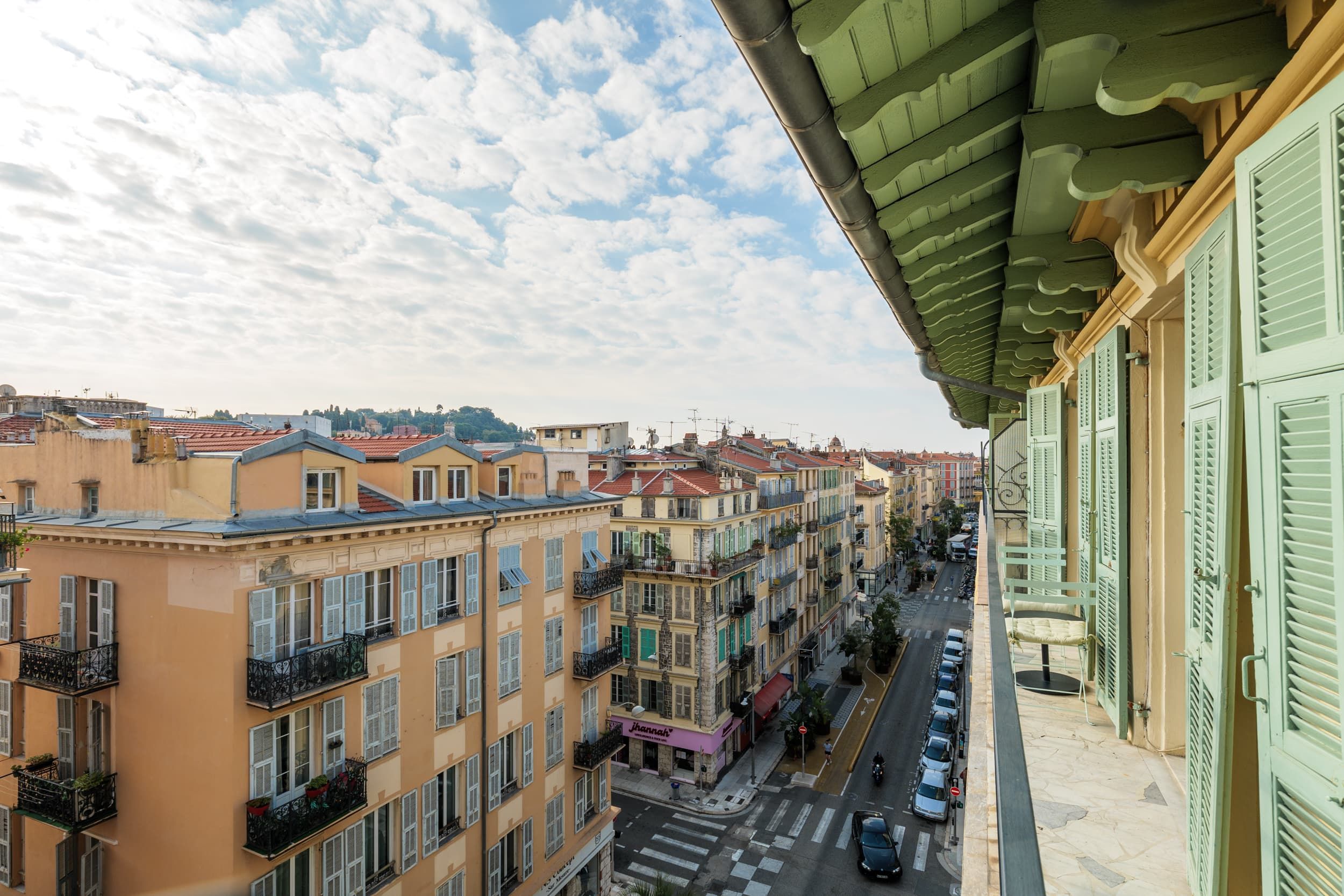
A sunlit terrace above the Port, a shuttered apartment on a quiet street in Cimiez, or a Belle Époque villa among the pines: each can look compelling from abroad. Yet property for sale in Nice is never just about the view, square footage, or distance to the sea. The right purchase depends on how a home fits the rhythm of your life, the condition of its building, and the practical realities that sit behind a beautiful listing.
For international buyers especially, Nice rewards careful local judgment. The city changes character block by block. A five-minute walk can mean a different outlook, traffic pattern, rental profile, school catchment, or level of year-round calm. Buying well starts with seeing beyond the postcard.
Property for Sale in Nice Starts With the Right Quarter
Nice is often described as one market, but it is better understood as a collection of distinct quarters. An apartment in the Carré d’Or serves a different purpose from a family home in Cimiez or a hillside villa in Gairaut. Price matters, of course, but so does what you expect the property to do for you.
For a central pied-à-terre
The Golden Square, Musicians’ Quarter, and the streets behind the Promenade des Anglais appeal to buyers who want restaurants, boutiques, beaches, and transport within easy reach. Many homes here are elegant period apartments with high ceilings, balconies, and original details. The trade-off can be noise, limited parking, and a livelier atmosphere in peak season. For a second home used regularly throughout the year, that energy may be exactly the point.
For history and daily life
Old Nice offers ochre lanes, baroque squares, market mornings, and a deeply Mediterranean sense of place. It can be wonderful for buyers who value character over conventional convenience. However, building access, stairs, limited elevator availability, and seasonal foot traffic deserve close attention. A charming address should always be matched with an honest assessment of how it will function for groceries, guests, luggage, and everyday living.
For space, calm, and long-term living
Cimiez, Mont Boron, Fabron, and Gairaut attract buyers seeking quieter residential settings, green outlooks, or larger homes. Cimiez has a composed, established feel, with gracious apartments and access to schools. Mont Boron offers coastal views and some of Nice’s most coveted villa addresses, while the western hills can provide terraces, pools, and more generous proportions. These areas may involve a greater reliance on a car, so the route into town, parking, and proximity to services should be part of every viewing.
Look Beyond the Apartment Itself
In Nice, a property is often inseparable from its building. A well-presented apartment can conceal major future costs if the copropriété, or condominium association, is poorly managed or preparing substantial work. This is one reason a considered purchase cannot be based on photographs alone.
Before making an offer, review the building’s recent meeting minutes, planned works, annual charges, reserve funds, and any disputes. Exterior renovation, roof repairs, elevator upgrades, plumbing, or façade work can materially change the cost of ownership. In older buildings, it is also sensible to understand heating arrangements, insulation, window quality, and whether air conditioning is permitted or already installed.
The energy performance report, known as the DPE, deserves practical reading rather than a quick glance. It may affect running costs, comfort in summer and winter, and, for investment buyers, the ability to rent under evolving French energy rules. A lower rating is not automatically a reason to walk away. In a distinguished period building, it may be manageable with thoughtful improvements. The question is whether the likely work, permissions, and cost align with your plans.
Budget for the French Purchase, Not Just the Asking Price
The advertised price is the beginning of the financial picture. Resale purchases in France usually involve notaire fees and taxes that are commonly around 7% to 8% of the purchase price, although the precise amount varies by transaction. Agency fees should be clearly identified, including whether they are included in the displayed price and who is responsible for them.
Buyers should also allow for mortgage-related costs if financing, currency transfer considerations, insurance, annual property taxes, condominium charges, and initial furnishing or renovation work. For a villa, pool maintenance, garden care, security, and access repairs can be meaningful recurring expenses. A lower purchase price outside the center can be attractive, but it should be compared against the complete cost and practical demands of ownership.
The offer and legal process
Once terms are agreed, the parties typically sign a compromis de vente, a preliminary sales agreement that sets out conditions and timelines. Buyers generally receive a ten-day statutory cooling-off period after signing. If financing is required, a mortgage condition is usually included, provided it has been properly negotiated from the outset.
The notaire then carries out the legal checks, prepares the deed, and oversees completion. A notaire is impartial and appointed by the French state, but that does not replace having your own local representative focused on the suitability of the property and the clarity of your decisions. For cross-border clients, careful coordination between agents, lenders, lawyers, and the notaire can prevent avoidable delays.
Remote buying requires better evidence
A remote purchase can work very well, but only when the investigation is thorough. Live video viewings are useful for an initial filter, not a substitute for checking natural light, street sound, access, building condition, and the feeling of the immediate surroundings. Ask for views from each principal room, footage of the approach to the building, and an unvarnished explanation of anything that may not appear in the marketing material.
Where a home needs renovation, obtain early guidance on scope, permissions, and likely timing. In protected buildings or historic areas, changes to windows, shutters, façades, and terraces can be more regulated than buyers expect. The best opportunities are not always turnkey, but a renovation should be priced as a project rather than treated as an afterthought.
Choose Representation That Is Local and Accountable
Nice has a fast-moving, fragmented market. Some desirable homes are sold quietly, while others appear across several portals with inconsistent details or outdated availability. A buyer needs more than a list of listings. They need someone who can distinguish a fair opportunity from a property that has been repeatedly offered without a realistic route to sale.
This is where street-level knowledge makes a measurable difference. A trusted adviser can explain why one side of a boulevard commands a premium, whether a planned development may affect a view, how a building is regarded locally, and whether a seller’s pricing expectations leave room for negotiation. At Warde Property, that advice is paired with support through viewings, negotiation, notaire signing, and the practical arrangements that follow completion.
Personal representation also creates space for candor. Sometimes the best advice is to wait for a more suitable home, reconsider a neighborhood, or pass on an apartment that is lovely but wrong for the way you intend to live. That is particularly valuable when the purchase is emotionally significant and financially substantial.
Let the Life You Want Lead the Search
A home near the sea may suit a frequent weekend escape, while a quieter address near schools and green space may serve a relocation far better. A top-floor terrace can be extraordinary, but only if the stairs, elevator, exposure, and maintenance requirements work for you. There is no universally best property for sale in Nice, only the one that holds up after the excitement of the viewing has passed.
Take the time to walk the surrounding streets in the morning and evening, understand the building records, and calculate ownership on realistic terms. The right home in Nice should feel generous not only on the day you receive the keys, but in the ordinary, sunlit days that follow.
Buying on the French Riviera
How a purchase works in France, the costs to plan for beyond the price, and how to choose the right area.
More from Articles
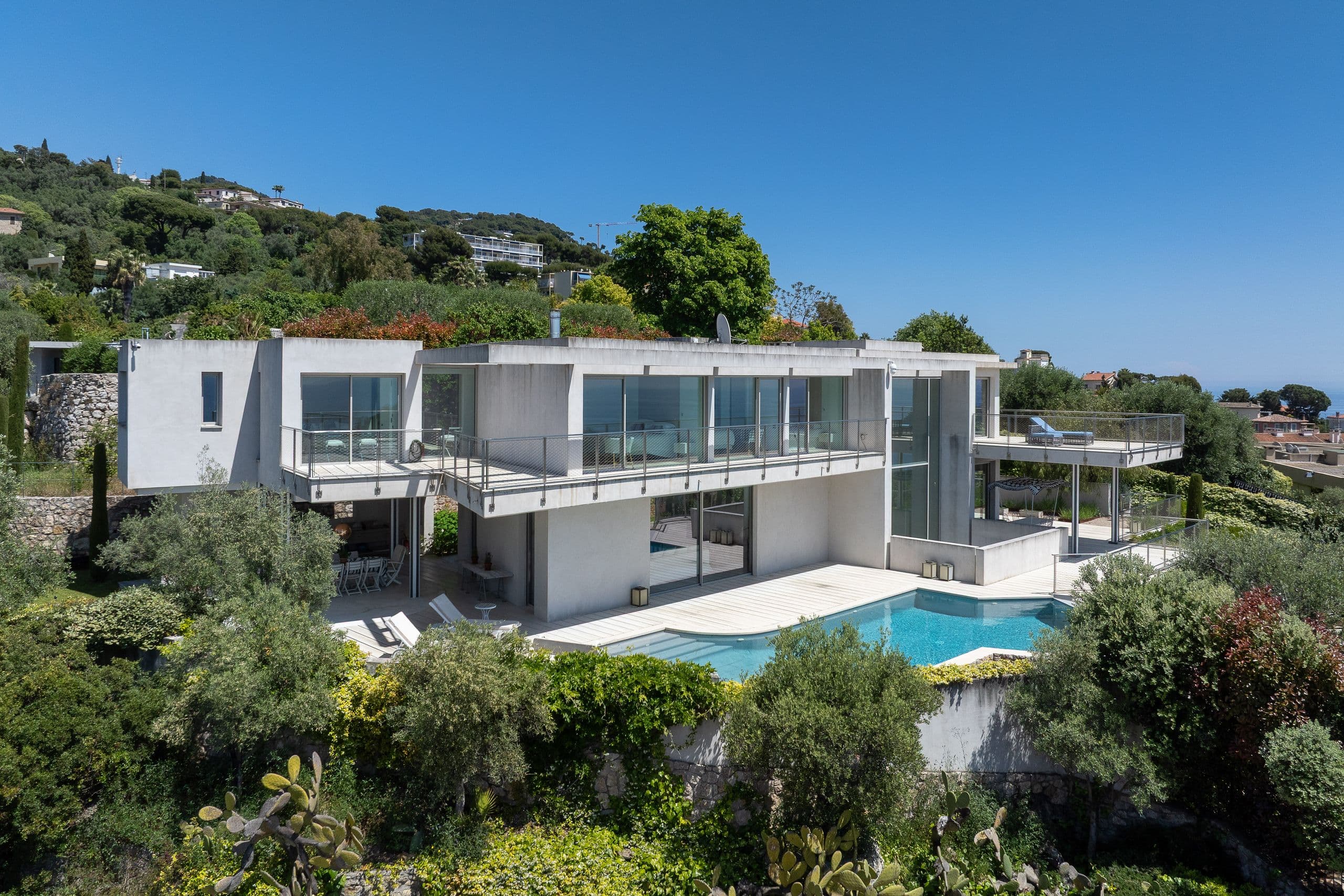
French Riviera Villas for Sale in the Right Area
Considering French Riviera villas for sale? Learn how location, access, condition, and French buying costs shape a confident, well-informed home purchase.
Selling your home in Nice: the process, step by step
From the first valuation to the day the keys change hands, selling a home in France follows a clear path. Here is what happens at each step, what you need to prepare, and how long it takes.