Carré d'Or Nice property for discerning buyers
Considering Carré d'Or Nice property? See how this Riviera quarter lives, what shapes prices, and which checks matter before a confident offer is made.

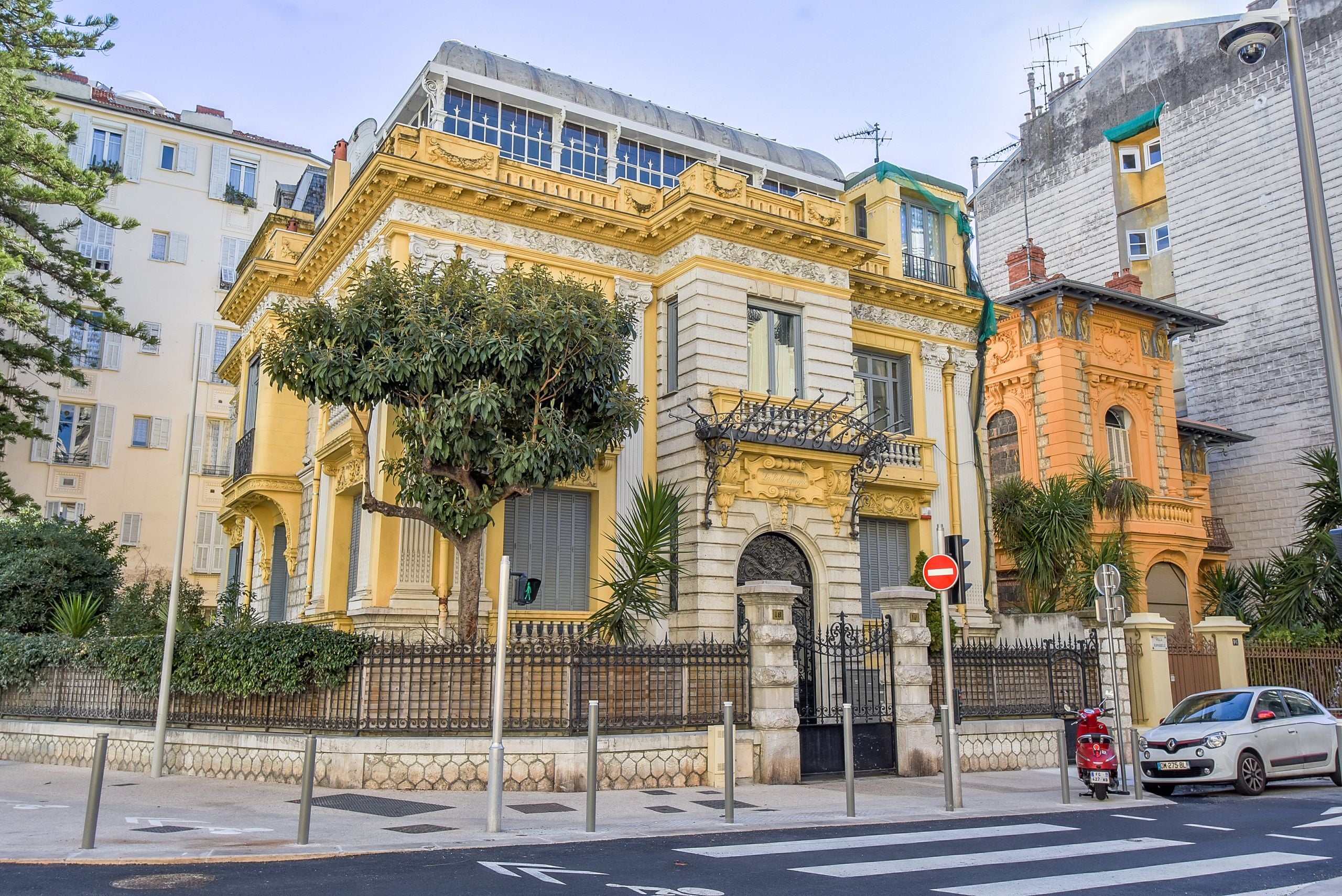
The appeal of Carré d'Or Nice property is immediate: step out of a handsome period building and the Mediterranean, the Promenade des Anglais, designer boutiques, and the leafy gardens of the city center are all within easy reach.
Yet this is not a neighbourhood to buy on postcard appeal alone. Behind similar Belle Époque facades, apartments can differ dramatically in light, noise, building condition, and long-term value.
For buyers seeking a refined pied-à-terre, a rental-conscious investment, or a year-round base on the Riviera, Carré d’Or offers one of Nice’s most compelling combinations of address, walkability, and architecture. It also rewards close local scrutiny. The best purchase is rarely simply the most polished apartment. It is the home whose building, street, orientation, and practical details suit the way you intend to live.
Why Carré d'Or holds its appeal
Carré d’Or sits in central Nice, generally understood as the elegant district around the pedestrian streets, Place Masséna, Avenue Jean Médecin, the Promenade des Anglais, and the area toward Boulevard Victor Hugo. Its exact boundaries are less important than its character: this is a dense, polished quarter where daily life happens on foot.
Morning might begin at a neighbourhood bakery or market stall, followed by a walk along the sea. In the afternoon, the pedestrian zone brings restaurants, galleries, and shops to the doorstep. The Old Town, the Port, Nice-Ville station, and the tram network are all readily accessible. For international owners who divide their time between countries, that convenience is more than a lifestyle benefit. It makes short stays easy to organize and gives the apartment a broad resale audience.
The area has architectural depth as well. Buyers encounter late 19th- and early 20th-century buildings with high ceilings, original moldings, parquet floors, wrought-iron balconies, and generous French windows. Along quieter streets near Boulevard Victor Hugo and the Musicians’ Quarter, there can be a more residential rhythm. Closer to the Promenade, Rue Masséna, and the busiest retail streets, the energy is livelier and the sea feels nearer.
That distinction matters. A buyer hoping for peaceful winter mornings may value a rear-facing apartment on a calm side street more than a balcony above a popular restaurant. Another buyer may consider the movement below part of the pleasure of owning in central Nice. Neither preference is wrong, but they lead to different decisions.
What shapes the value of Carré d'Or Nice property
In this quarter, square footage is only the beginning. Floor level, elevator access, condition, outdoor space, and exposure can shift value substantially between apartments that appear comparable on paper.
A high floor with an elevator, open outlook, and south or west light is especially desirable. Balconies are prized, but their usefulness should be assessed rather than assumed. A narrow balcony overlooking an active street may be perfect for an evening aperitif and less attractive for quiet outdoor dining. A terrace is rarer and can command a meaningful premium, particularly when it has privacy, sun, and room to use.
The address also affects the buyer pool. Properties nearer the Promenade may have stronger appeal for those who want the sea as part of their daily routine. Homes around Victor Hugo, Alphonse Karr, or quieter stretches off the principal avenues can offer a more composed residential feel while retaining central access. Even within one block, traffic patterns, delivery activity, café terraces, and neighbouring commercial premises can alter the experience.
Period character remains valuable, but only when paired with a sound renovation. Retained features such as ceiling moldings, fireplaces, and original floors can give an apartment distinction. They do not compensate for poor layout, insufficient storage, aging plumbing, or a dark interior. Conversely, an overly standardized renovation may diminish the character that international buyers expect from a central Nice home. The strongest renovations tend to respect the building while improving comfort quietly.
Look beyond the apartment itself
A beautiful apartment in Nice is part of a copropriété, the shared legal and practical structure of the building. For overseas purchasers especially, understanding that structure is essential before an offer becomes binding.
Review the recent meeting minutes, known or proposed building works, annual charges, insurance position, and any disputes. Facade restoration, roof repairs, elevator modernization, and common-area works can be worthwhile improvements, but they may create material costs for owners. A building with modest monthly charges is not automatically the better choice if needed work has been deferred.
Ask how the building is occupied. A high proportion of short-term rentals can affect the atmosphere of a building, while some copropriétés have clear restrictions in their rules. If you plan to rent the property occasionally, the legal framework, building regulations, and local rules must be checked carefully. Nice is not a market where assumptions about vacation rentals are a substitute for advice.
Technical comfort deserves equal attention. Many period buildings have thick walls and tall windows, but their energy performance varies. Review the Diagnostic de Performance Énergétique, or DPE, and understand what it means for future renovation needs and rental plans. Air conditioning may be essential to one buyer and unnecessary to another, but installation can require approval depending on the building and the proposed exterior equipment.
Noise should be assessed at the right time. A peaceful weekday morning does not reveal the sound of weekend terraces, scooters, deliveries, or summer foot traffic. Visiting twice, including later in the day, is often more useful than extending a single viewing. Open the windows, stand on the balcony, and listen from the bedrooms as well as the living room.
Choosing the right version of central Nice
Carré d’Or is often treated as one homogeneous premium location. It is more useful to think of it as several closely connected micro-locations.
Near the Promenade
This suits buyers who want proximity to the beach and the visual drama of the waterfront. Side streets can offer an excellent compromise between sea access and residential calm. Apartments with even a partial sea view or a short walk to the Promenade can be especially compelling, though exposure to traffic and seasonal activity needs careful consideration.
Around the pedestrian zone
For a lock-and-leave apartment with restaurants, shops, and city life outside, this is hard to surpass. It is well suited to owners who enjoy being in the center of things and to buyers focused on convenience. Privacy, sound insulation, and building access become particularly important here.
Toward victor hugo and the musicians’ quarter
This area often appeals to buyers looking for larger period proportions and a quieter sense of city living. The walk to the sea remains straightforward, but the streets can feel less tourist-facing. It may be particularly attractive for a full-time residence, depending on the building and exact position.
A measured buying approach
The most successful purchases usually begin with a precise brief rather than a broad request for “the best apartment.” Decide what cannot be compromised: elevator, outdoor space, minimum bedroom count, a quiet bedroom, sea proximity, rental flexibility, or a renovation project. A clear hierarchy makes it easier to recognize a good opportunity when it appears.
It is also wise to set aside funds beyond the agreed purchase price. In a French resale transaction, buyers should budget for notaire fees, potential financing costs, insurance, moving, and any immediate works. If the apartment needs renovation, obtain practical estimates early. In older buildings, a seemingly modest project can involve building permissions, lead times, and coordination that are difficult to judge from abroad.
Negotiation should follow evidence, not habit. In a desirable Carré d’Or building, a well-priced apartment with light, an elevator, and a strong renovation may attract competition. In another case, a dark layout, high future works, or unrealistic presentation can create room for a thoughtful offer. The relevant comparison is not simply the asking price per square meter. It is the actual quality of this home against the alternatives a buyer can genuinely purchase now.
For sellers, this same nuance is central to pricing. A Carré d’Or address supports demand, but buyers quickly identify the difference between a desirable central apartment and one presented as premium without the building, condition, or outlook to justify it. Accurate positioning, polished presentation, and straightforward disclosure create confidence before negotiations begin.
Let the street decide
The right Carré d’Or apartment should make life in Nice feel easier, not merely more impressive. It might be a sunlit two-bedroom near the sea, a discreet top-floor pied-à-terre off Boulevard Victor Hugo, or a character home where the morning light reaches the parquet and the noise fades when the windows close. Spend time on the street, inspect the building with care, and let the reality of daily life guide the decision.
More from Articles
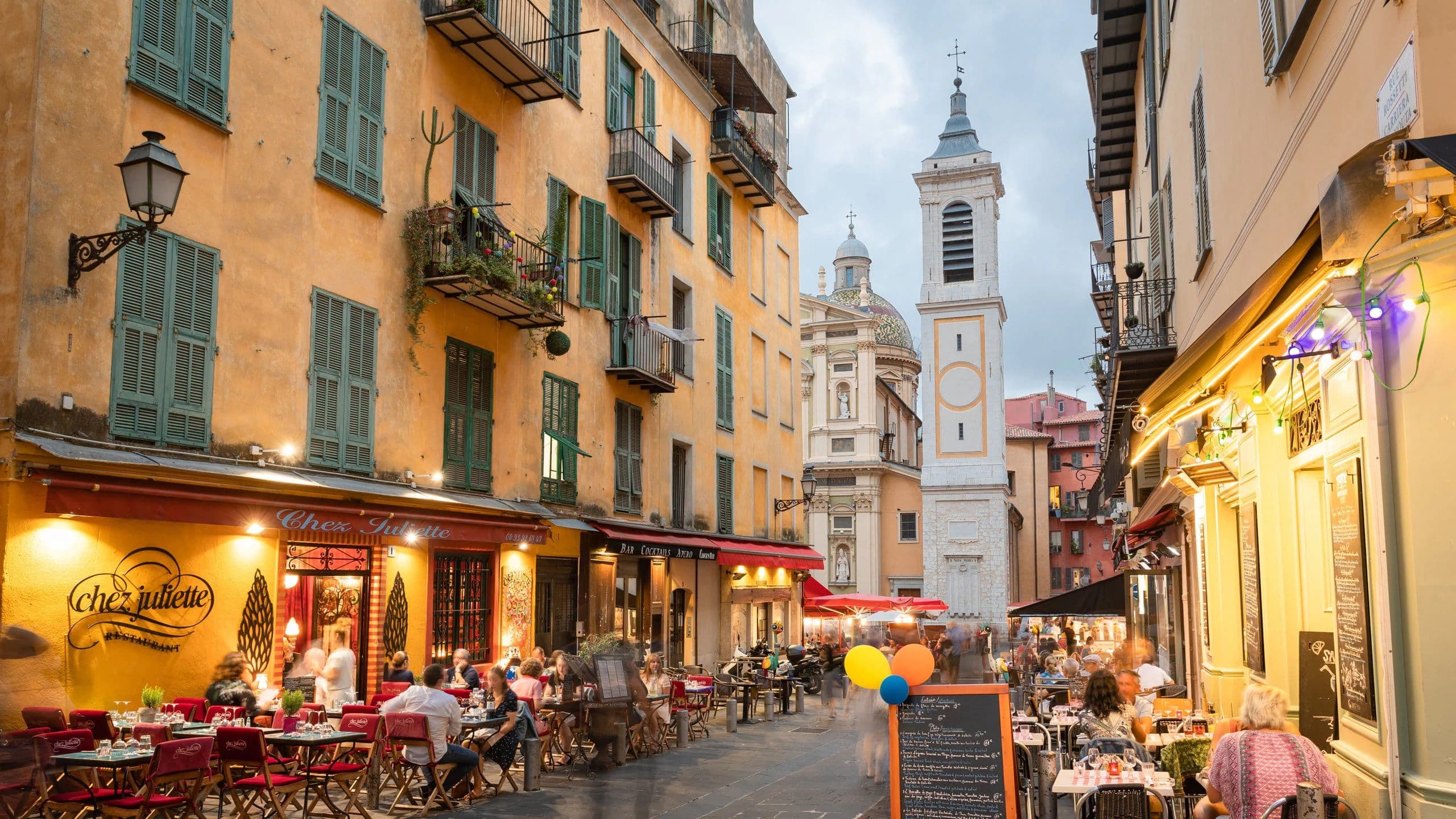
Is living in Nice old town right for you?
Considering living in Nice Old Town? Learn the rhythm, property choices, practical trade-offs, and local details that shape daily life in Vieux Nice today.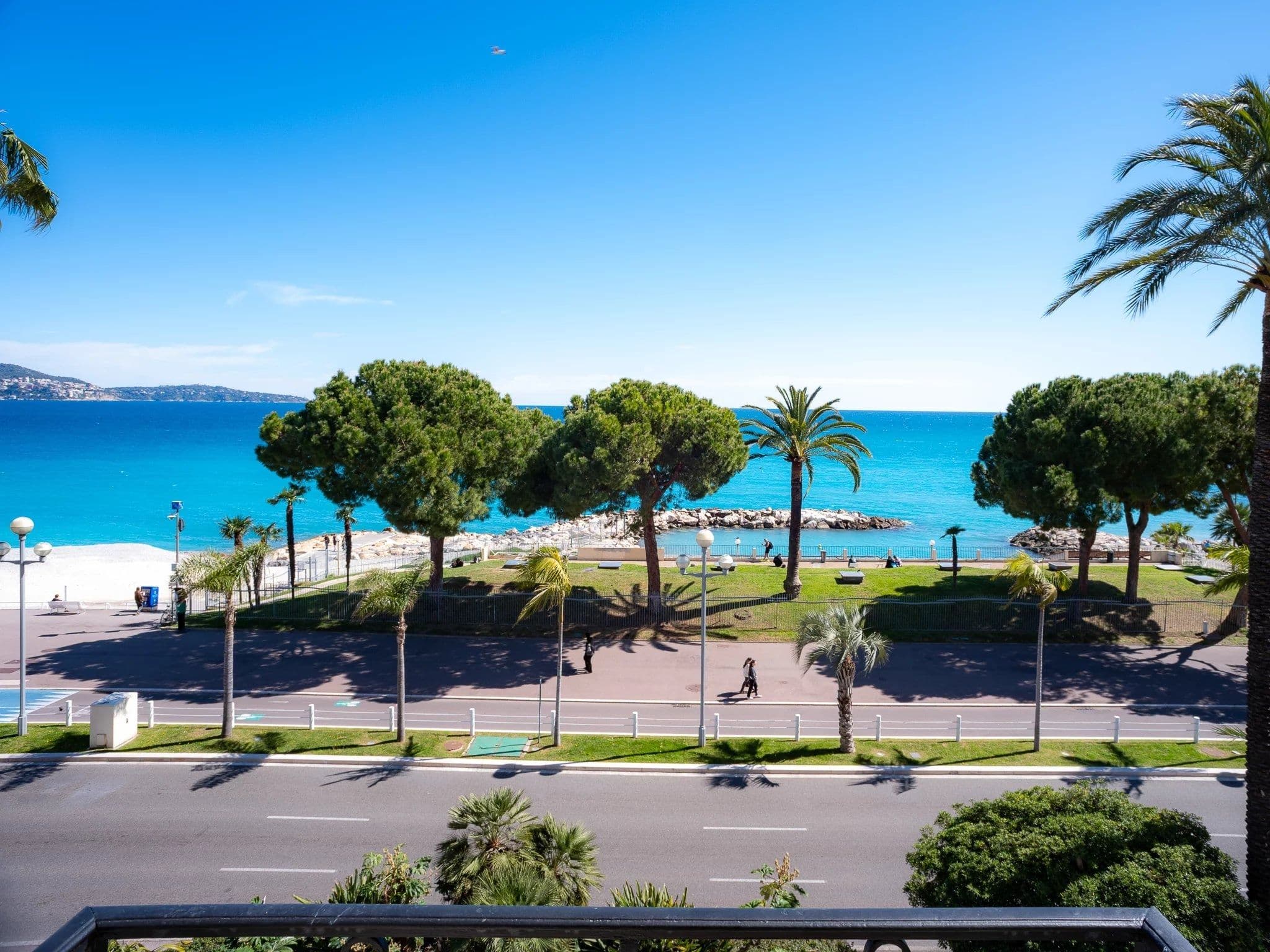
10 best Nice neighbourhoods to live in for buyers
Looking for the best Nice neighbourhoods to live in? Compare lifestyle, property character, transport, and practical trade-offs before you buy confidently in Nice.
Is living in Nice old town right for you?
Considering living in Nice Old Town? Learn the rhythm, property choices, practical trade-offs, and local details that shape daily life in Vieux Nice today.10 best Nice neighbourhoods to live in for buyers
Looking for the best Nice neighbourhoods to live in? Compare lifestyle, property character, transport, and practical trade-offs before you buy confidently in Nice.