Property valuation Nice France: price it right
A clear guide to property valuation Nice France, covering neighbourhood pricing, apartment details, timing, presentation, and selling strategy for owners.

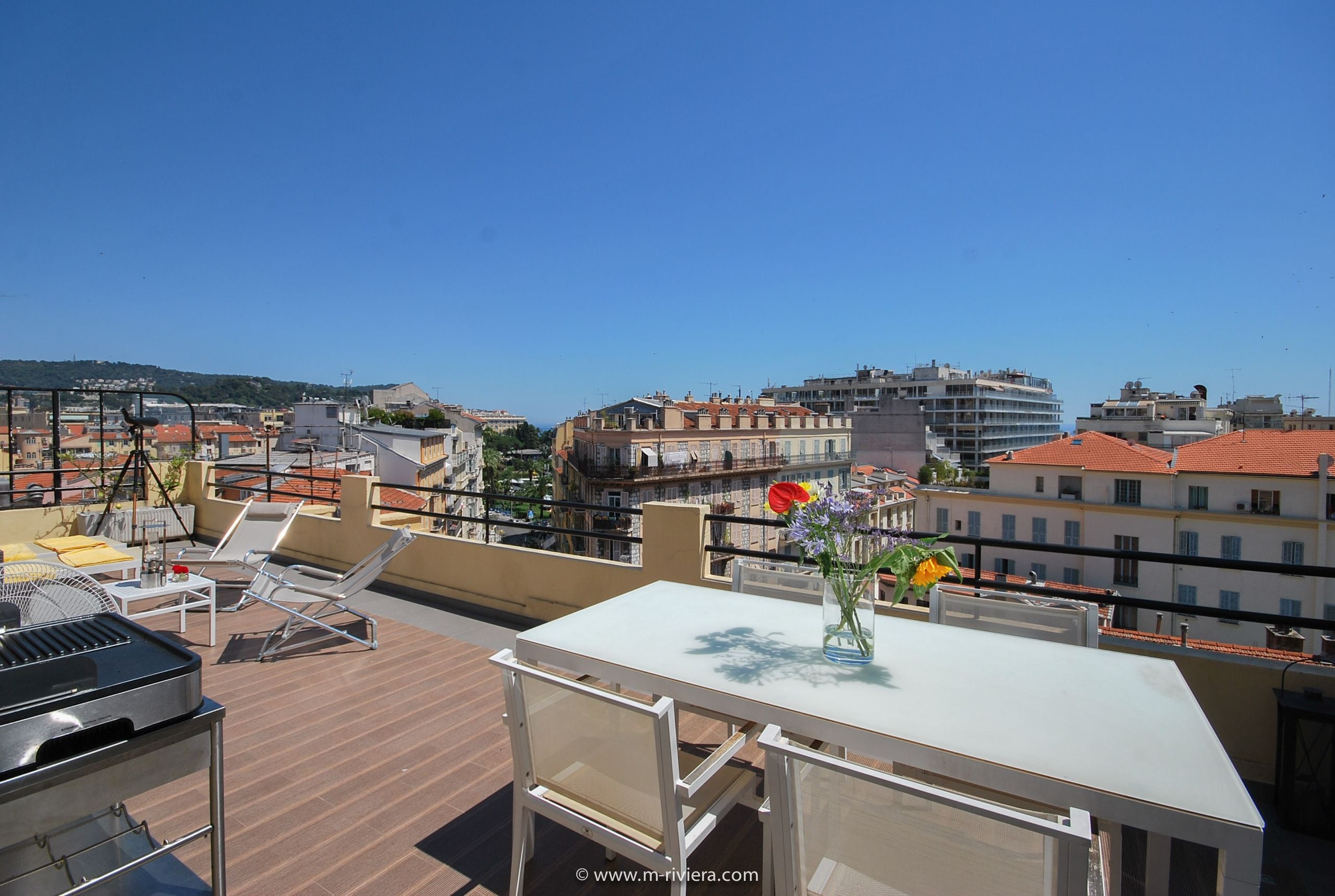
A fifth-floor apartment with a sea view in the Carré d'Or may sit only a few blocks from a similar-sized home, yet command a very different price.
In Nice, the address on the listing is only the beginning. A sound property valuation Nice France considers the particular street, the building, the light, the floor plan, and the kind of buyer most likely to fall in love with the home.
For sellers, getting this right matters from the first day a property comes to market. A price that is too ambitious can make even a beautiful apartment appear stale. A price set without regard for the property’s real strengths can leave money on the table. The aim is not to find the highest possible number. It is to establish a credible, well-supported price that attracts qualified buyers and creates room for a strong negotiation.
What a property valuation in Nice really measures
A valuation is more than a price-per-square-meter calculation. Those figures are useful reference points, but they cannot explain why two apartments in the same neighbourhood sell differently. Nice has a remarkably varied housing stock: grand Belle Époque residences near Cimiez, period apartments above the ochre lanes of Vieux Nice, contemporary homes around the Port, and villas among the pines in Mont Boron.
A considered valuation begins with comparable recent sales, then adjusts for the details that shape demand. In a city where many buyers are purchasing a second home or relocating from abroad, lifestyle factors carry genuine financial weight. A terrace large enough for outdoor dining, a glimpse of the Mediterranean, an easy walk to the tram, or a quiet bedroom away from traffic may influence value as much as an additional few square feet.
The most useful valuation also distinguishes between an asking price and an achievable sale price. The asking price should support the marketing strategy. The achievable price reflects what well-informed buyers are likely to pay, given the condition of the home, competing listings, and current market sentiment.
Why Nice neighbourhoods change the numbers
Nice is best understood quarter by quarter, and often street by street. Broad averages can be misleading because buyer expectations shift quickly between areas that look close on a map.
In the Carré d’Or, buyers often pay for elegance, proximity to the Promenade des Anglais, restaurants, boutiques, and the convenience of a refined pied-à-terre. In the Musiciens quarter, original detailing, high ceilings, and a well-maintained bourgeois building can be particularly important. Around the Port, demand may favor renovated apartments with balconies, marina views, or the energy of nearby cafés and galleries.
Cimiez appeals to buyers seeking calm, greenery, heritage buildings, and access to schools. In Libération, a lively market, tram connections, and a more everyday Nice rhythm can broaden appeal to local and relocating buyers. Vieux Nice brings a different equation altogether: charm, historic character, and a central lifestyle can offset the absence of an elevator, parking, or outdoor space for the right purchaser.
This is why a seller should be cautious with online estimates. Automated tools can recognize postal codes and square footage. They do not reliably judge whether a particular balcony faces south, whether a building’s common areas inspire confidence, or whether the apartment is on a sought-after stretch of road rather than its noisier counterpart.
The building is part of the property
In France, an apartment valuation includes the copropriété, or co-ownership building, as well as the private apartment. Buyers and their advisers review condominium charges, planned works, reserve funds, elevator access, façade condition, and building management. A beautifully renovated interior may still meet questions if major work is pending or annual charges are unusually high.
Conversely, a well-run building with an elegant entrance, secure access, and recently completed improvements can strengthen buyer confidence. For homes in older Nice buildings, this context is often decisive. It should be reflected in both the valuation and the way the property is presented.
The features that add value - and those that need context
Some attributes consistently attract a premium in Nice. Outdoor space is especially valuable, but its usefulness matters more than its label. A deep, sunny terrace that accommodates a table and chairs is not equivalent to a narrow balcony overlooking a busy street. Open views, high floors with an elevator, air conditioning, parking, a cellar, and a move-in-ready condition can all widen the pool of buyers.
However, every strength has a trade-off. Sea views may come with a steeper walk or a longer journey into central Nice. A ground-floor garden apartment may appeal to a family or pet owner while raising privacy concerns for another buyer. A top-floor home can be exceptional, but prospective purchasers will also consider elevator access, summer heat, and roof maintenance.
Renovation deserves a careful assessment. Contemporary kitchens and bathrooms can support a higher price when the work is well executed and consistent with the apartment’s character. Overly personal design choices, incomplete projects, or renovations without attention to ventilation, insulation, and electrical standards may have the opposite effect. Buyers from the United States and elsewhere often value turnkey homes, particularly when they are purchasing remotely, but they still expect the price to reflect the quality of what has been done.
Preparing for an accurate valuation
A no-obligation valuation is most helpful when the agent sees the home as a buyer will see it. Sellers should share the practical information early: floor plans, property tax, condominium charges, recent work, energy performance documentation, and details of any planned building projects. These documents help establish not only value but also the questions likely to arise during viewings and negotiations.
Presentation should not disguise a property’s limitations. It should clarify its best qualities. Removing unnecessary furniture, improving lighting, attending to small repairs, and showing terraces or balconies at their best can materially change a buyer’s first impression. For an occupied home, thoughtful preparation helps buyers understand the scale of rooms and imagine their own life there.
Professional photography and measured floor plans are particularly worthwhile for homes aimed at international buyers. Many will make their first decision from another country. They need a clear visual story, precise information, and a candid explanation of the location before arranging a viewing.
Pricing strategy is not a one-time decision
Once a valuation has been completed, the price should be tested against the live market. This does not mean changing it at the first quiet week. It means monitoring the quality of inquiries, viewing feedback, competing inventory, and the profile of interested buyers.
A property that receives many online views but few serious viewing requests may be suffering from a mismatch between price and presentation. A property that receives viewings but no offers may need closer examination: Is the layout being understood? Are buyers worried about renovation costs or condominium charges? Is another listing offering a similar lifestyle with fewer compromises?
The first weeks matter because the home is freshest to active buyers and local agents. If a change is needed, a considered adjustment is usually more effective than a sequence of small reductions. It signals that the seller is responding to evidence rather than chasing the market downward.
International buyers need reassurance, not pressure
Nice attracts buyers with different reference points. A Parisian buyer may focus on the building and exact micro-location. A British, American, or Swedish buyer may prioritize outdoor space, air conditioning, proximity to the airport, and the ease of owning a second home. A family relocating full-time may ask about schools, parking, and daily transport before they ask about restaurants.
A strong sales strategy speaks to these priorities without overstating the property. It explains what makes the home work, who it suits, and what practical matters have already been addressed. At Warde Property, this local interpretation is paired with clear communication for clients buying and selling across borders, from the initial valuation through notaire signing and beyond.
When to request a new valuation
A fresh valuation is sensible before listing a property, after significant renovation, when an inherited home is being considered for sale, or when owners have held an asset for several years and want to understand their options. It can also be valuable before deciding whether to sell furnished, make improvements, or retain the property as a rental.
The right recommendation is not always to renovate or wait. If a home already has a compelling location and sound condition, a major project may not deliver its cost back at sale. If the apartment has clear potential but poor presentation, targeted work may be enough. The answer depends on the likely buyer, the budget, and the timing.
The most reassuring valuation leaves a seller with more than a number. It provides a reasoned view of the market, a clear sense of the home’s strongest audience, and a practical route to presenting it with confidence. That clarity is where a well-managed sale begins.
More from Articles
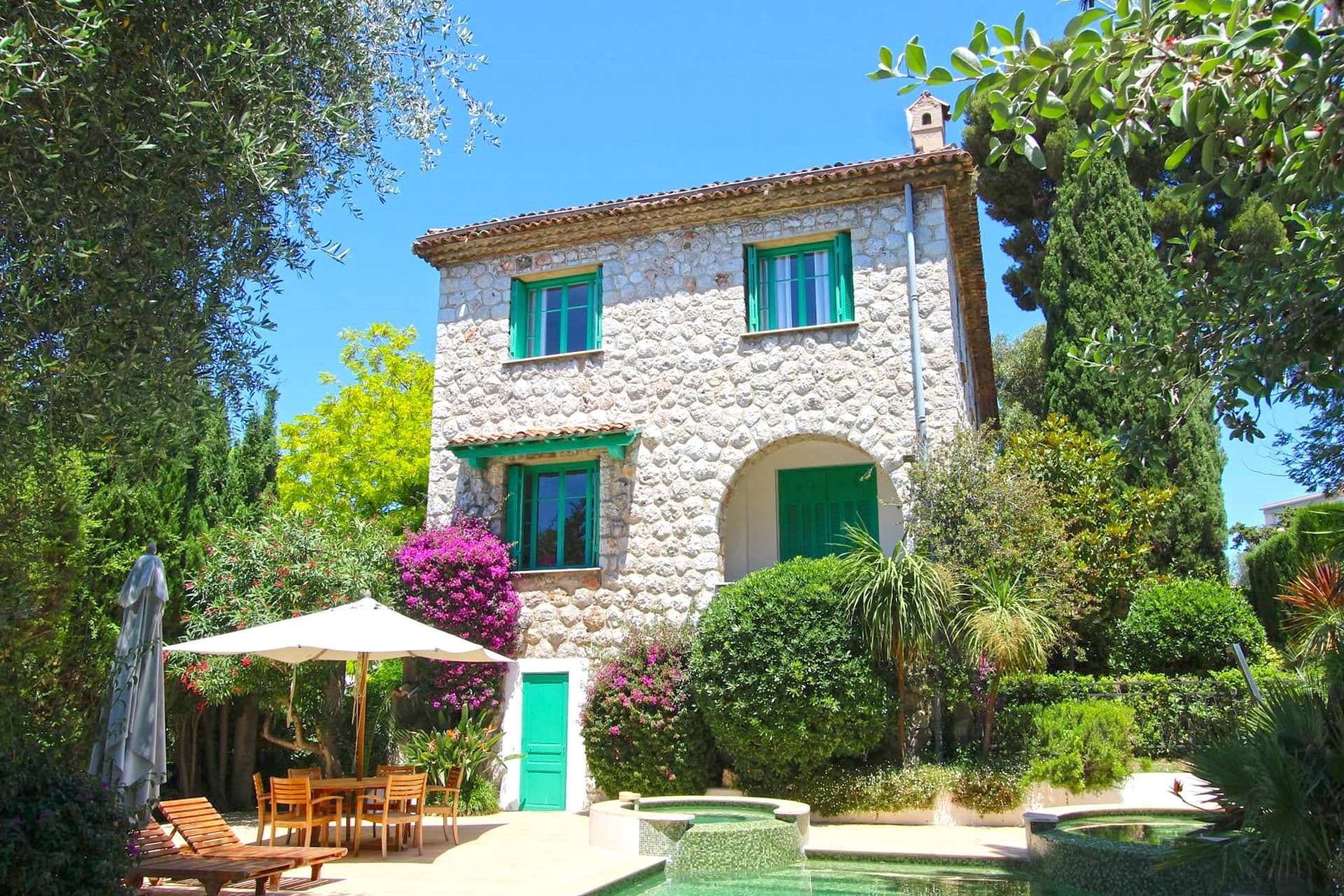
Do French homes need insurance? a buyer’s guide
Do French homes need insurance? Learn what owners, buyers, landlords, and tenants in Nice must insure, plus the cover worth arranging before completion.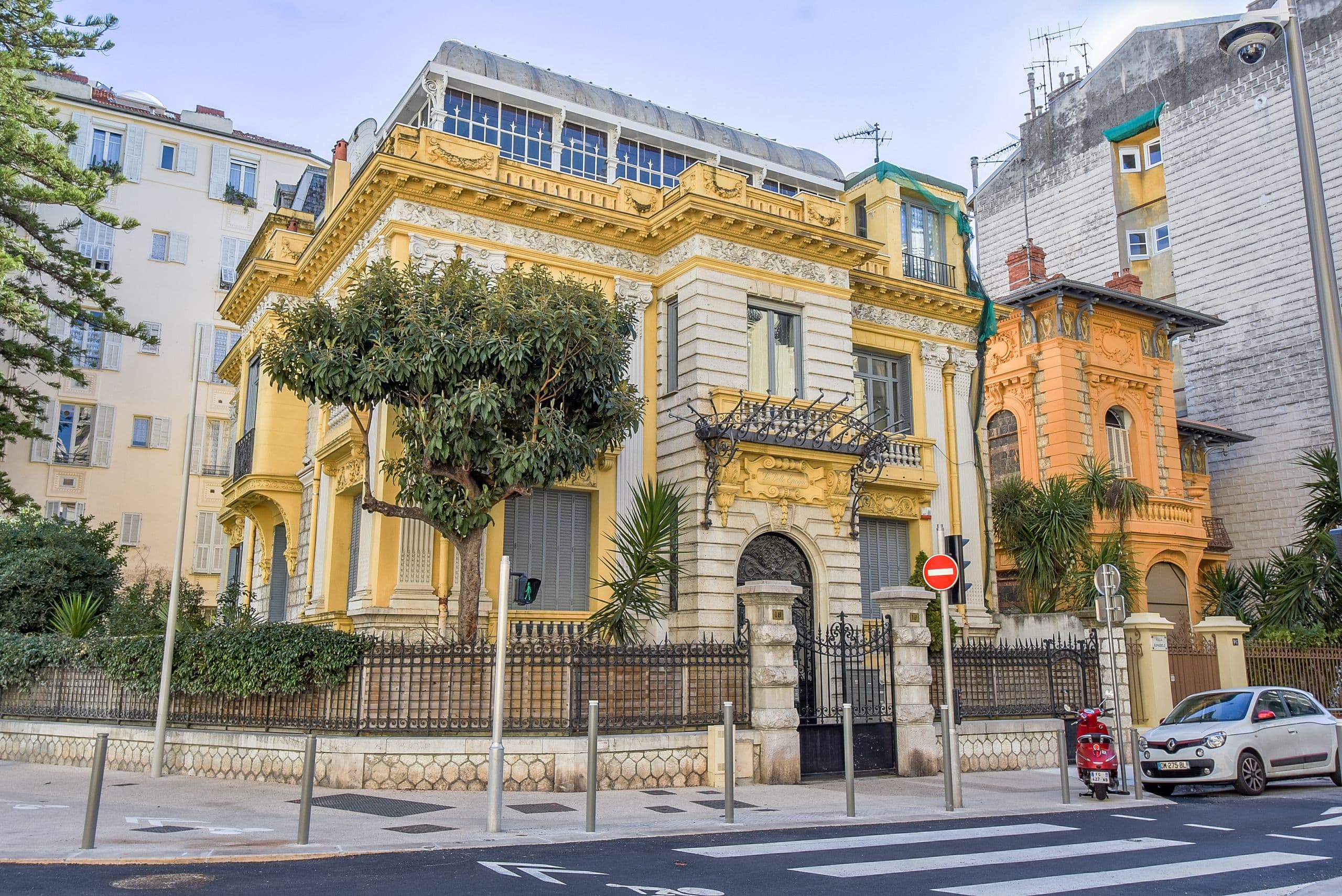
Carré d'Or Nice property for discerning buyers
Considering Carré d'Or Nice property? See how this Riviera quarter lives, what shapes prices, and which checks matter before a confident offer is made.
Do French homes need insurance? a buyer’s guide
Do French homes need insurance? Learn what owners, buyers, landlords, and tenants in Nice must insure, plus the cover worth arranging before completion.Carré d'Or Nice property for discerning buyers
Considering Carré d'Or Nice property? See how this Riviera quarter lives, what shapes prices, and which checks matter before a confident offer is made.