8 min read
Old town versus port Nice: which suits you?
Old Town versus Port Nice: compare property, daily life, access, noise and long-term appeal before choosing your base in central Nice on the Riviera.
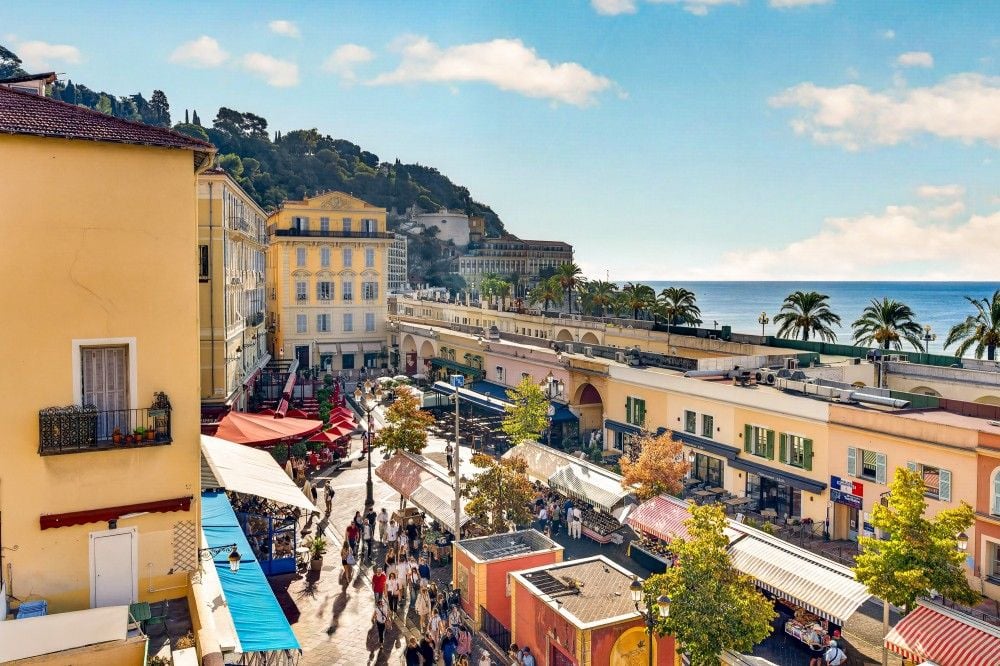
A few streets can change the entire experience of owning a home in Nice. In the Old Town, you wake to shutters opening above ochre lanes and the early deliveries to Cours Saleya. By the Port, the view may be of masts, fishing boats and the hill of Mont Boron, with wider pavements and a more residential rhythm. Old Town versus Port Nice is therefore not simply a question of postcode. It is a choice between two distinct ways of living in the city.
Both areas are central, walkable and highly sought after by second-home buyers, investors and people relocating to the Riviera. Yet the stock of property, practicalities of access and day-to-day atmosphere differ enough that it pays to look closely before making an offer.
- 9
- homes for sale in Old Town
- €8,600
- asked per m², the median
- 8 min
- to read this note
Old Town versus Port Nice: the essential difference
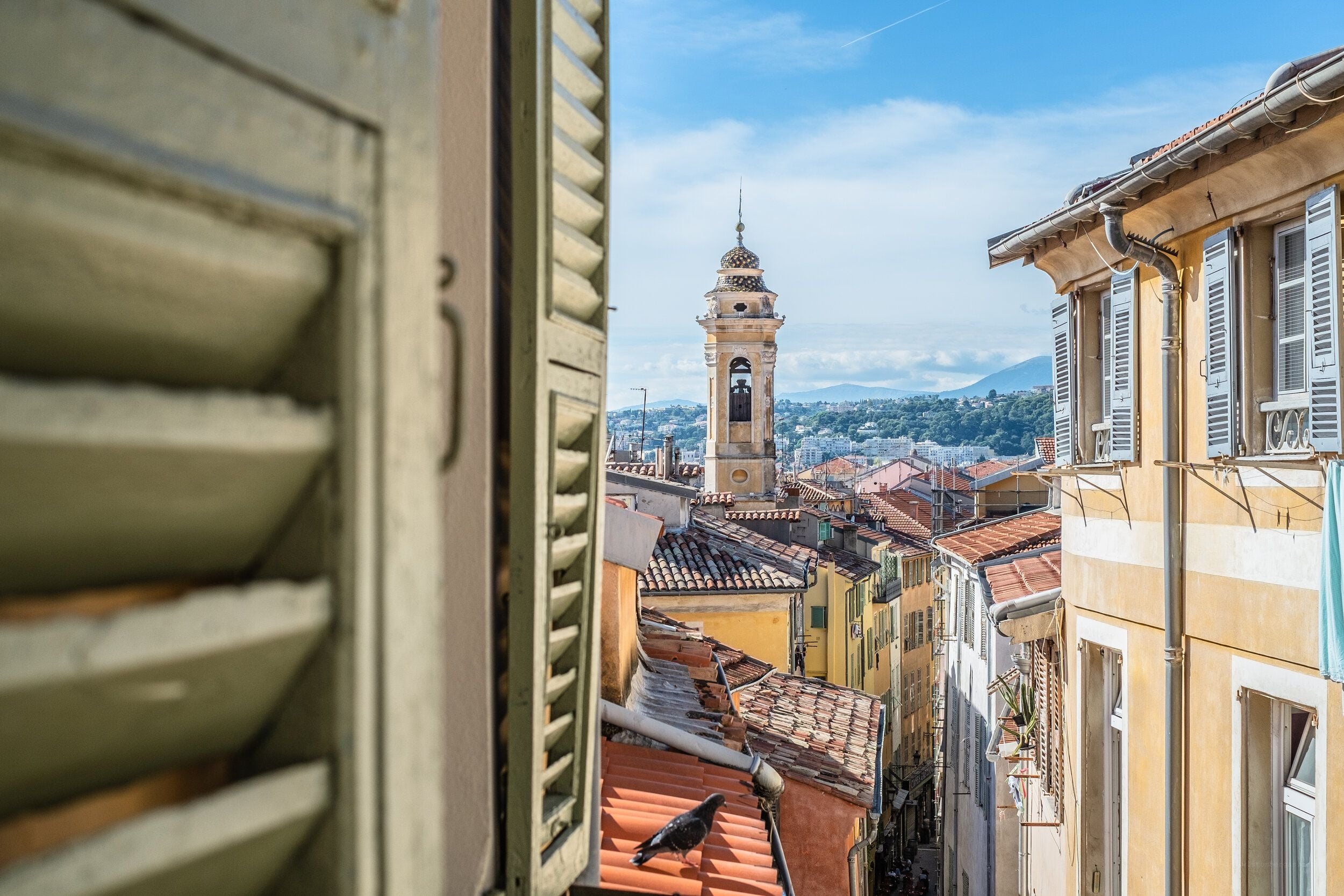
Nice Old Town, or Vieux Nice, is the historic core between the Promenade des Anglais, Place Masséna, the Colline du Château and the Port. It is dense, lively and architecturally dramatic, with narrow pedestrian lanes, baroque churches and tall, colourful façades. The appeal is immediate: the beach, markets, restaurants and centre of town are all outside the door.
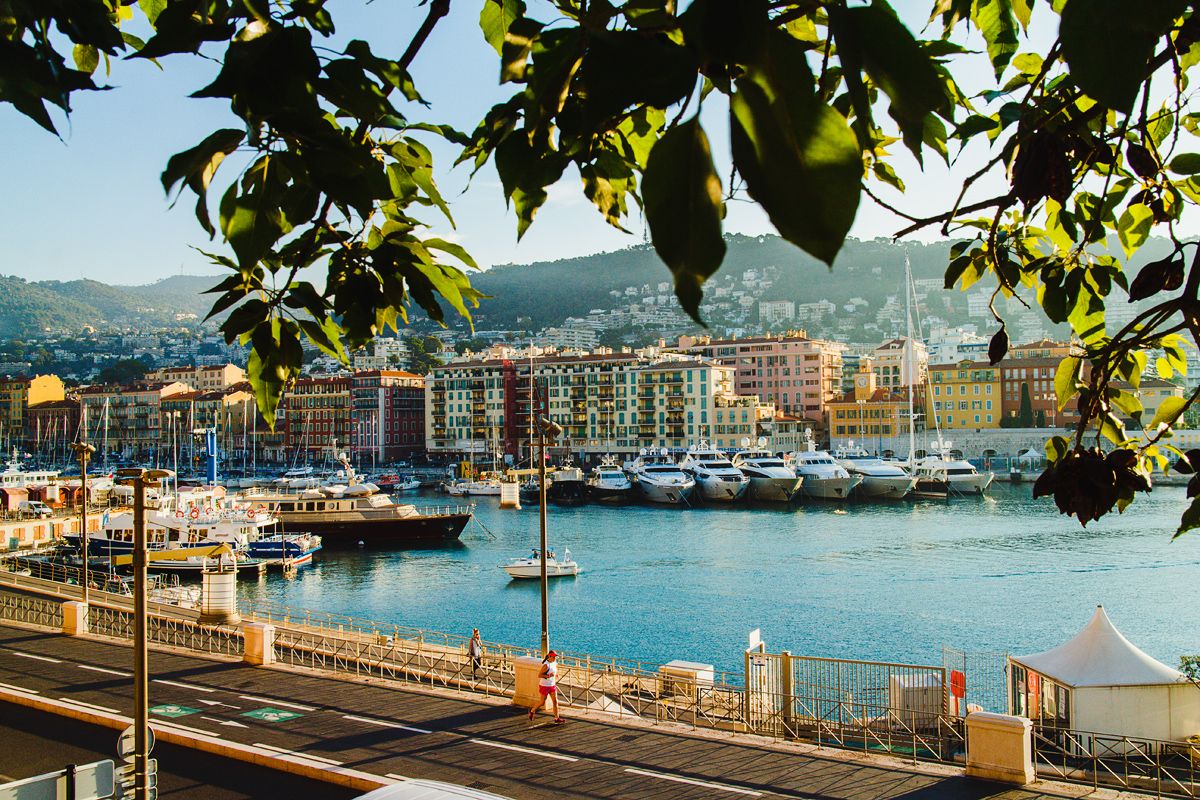
Le Port begins on the eastern edge of Vieux Nice and spreads around the harbour, towards Rue Bonaparte, Place du Pin and the lower slopes of Mont Boron. It retains a working harbour character, but has become one of central Nice’s most appealing residential areas. The buildings are generally more open in feel, streets are easier to navigate, and there is a stronger mix of local shops, cafés and year-round residents.
Neither is automatically better. A buyer wanting to step straight into the energy of central Nice may accept the Old Town’s compromises gladly. Someone planning extended stays, working remotely or travelling with children may find the Port more practical.
Property character and what your budget buys
In Old Town, property is predominantly found in historic blocks of flats. Flats often have high ceilings, deep shutters, terracotta tiles, original joinery or painted ceilings. A carefully renovated two-bedroom flat on an upper floor can be very attractive, particularly where there is open sky, a balcony or a view towards the hills. But many buildings have no lift, and layouts can be irregular. A third-floor walk-up feels different at viewing than it does with suitcases, shopping or limited mobility.
Light is a central consideration. In the tightest streets, lower floors can be dim, especially in winter. Sound travels too: a flat above a popular restaurant, bar or delivery route needs to be assessed at different times of day, not just during a quiet morning viewing. The charm is real, but so are the operational details.
Around the Port, the housing stock is more varied. There are traditional Niçois buildings overlooking Bassin Lympia, period blocks on Rue Bonaparte, more conventional twentieth-century residences and, further towards Mont Boron, some larger flats and villas among the pines. Lifts, balconies, parking and more regular floor plans are generally easier to find than in Vieux Nice, though never guaranteed.
Port-facing homes command attention for good reason, but buyers should distinguish between a full harbour view, a side glimpse and a view likely to be interrupted by neighbouring buildings. A higher floor may bring a fine outlook and sunlight, but it also raises the importance of lift condition, building charges and any planned façade works.
Daily life: atmosphere after the visitors leave
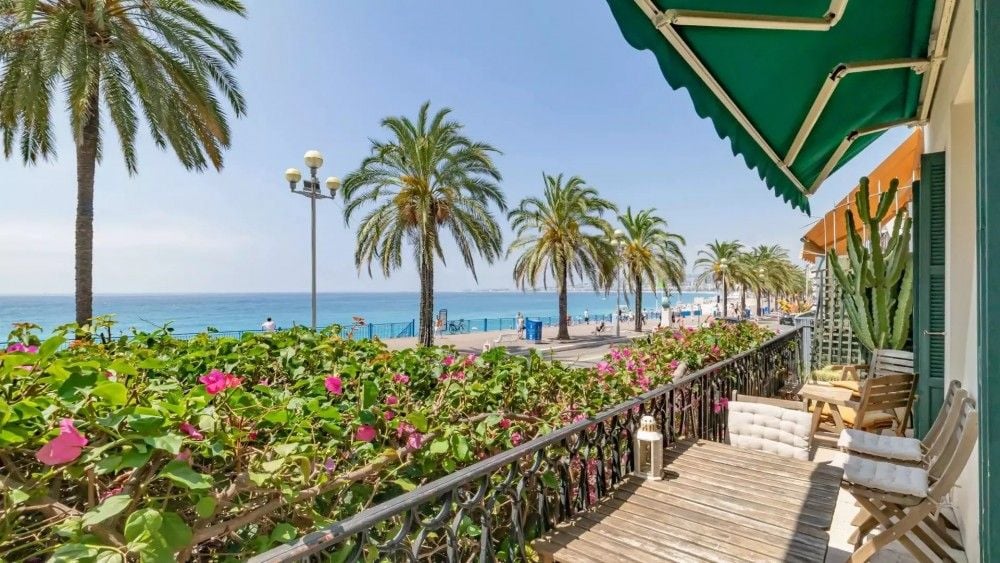
Old Town is at its best for people who want Nice to feel immediate and sociable. The Cours Saleya market is close, the sea is moments away, and there is always a reason to walk out for coffee, dinner or an evening along the Promenade. It works particularly well as a pied-à-terre for owners who visit for shorter periods and want to use the city without relying on a car.
The trade-off is intensity. Summer is busy, weekends can be noisy, and some streets change character markedly once restaurants fill their terraces. Deliveries, waste collection and late-night footfall should be part of the decision, especially for a bedroom facing the street. A quieter position near the Château hill or on one of the less commercial lanes can offer a different experience, but every micro-location needs checking.
The Port feels more balanced between city life and residential routine. Rue Bonaparte and Place du Pin provide restaurants and evening life, while the harbour itself gives the area space and a calmer visual rhythm. There are good food shops, practical services and schools nearby, and the area remains active outside the summer season.
For some buyers, the Port has the advantage of feeling easier to inhabit rather than simply visit. It suits a couple dividing time between countries, a family needing everyday convenience, or a buyer who wants central Nice but prefers a little distance from the busiest visitor routes.
Getting around, parking and access
Both districts benefit from excellent central positioning. From Old Town, the tram at Opéra or Cathédrale-Vieille Ville connects readily with the city, while Place Masséna and the Promenade are within an easy walk. The beach is close, although reaching a building by taxi can involve a short walk through pedestrian streets.
The Port has become even better connected since the tram extension reached the harbour. It is convenient for the airport, central Nice and onward journeys, while Riquier station is also accessible for trains towards Monaco, Menton and Italy. For regular travellers, that can matter more than a few minutes on a map suggests.
Parking is constrained in both areas. In Old Town it is frequently the deciding practical issue, as many buildings have no private spaces and vehicle access is limited. At the Port, garages and parking spaces are more common, though scarce and valuable. If you plan to keep a car, establish the exact parking arrangement before committing to a property. Renting nearby may be possible, but availability and cost change over time.
Rental potential is not the only calculation
Both Old Town and the Port attract holiday and furnished-rental interest, but rental income should never be assumed from location alone. Rules for short-term lets, registration requirements, building regulations and local enforcement can affect what is permitted. A property’s copropriété may also have restrictions that are relevant to use.
Old Town often appeals strongly to short-stay visitors because it is close to the beach and major sights. However, high turnover can mean more management, more wear and greater sensitivity to local rules. A quiet flat without a lift may be excellent for an owner who values character, while being less suitable for certain rental guests.
The Port can suit longer furnished stays, professionals working in Monaco or Nice, and buyers looking for a home that remains comfortable through the year. This is not a guarantee of better returns. It is simply a different tenant profile and often a more practical property format.
For either area, look beyond the advertised square metres. Annual charges, property tax, planned works, heating and air-conditioning arrangements, lift maintenance, insulation and legal permissions can alter the real cost of ownership. In historic buildings, a thorough review of the copropriété minutes is particularly worthwhile. They may reveal roof works, drainage issues, façade projects or disagreements that do not appear in a viewing.
How to choose between Old Town and the Port
Start with the life you expect to lead on an ordinary Tuesday, rather than the first sunny weekend after completion. If you picture collecting bread in a narrow lane, swimming before lunch and dining out without planning ahead, Old Town may be the right fit. If you picture morning walks around the harbour, easier arrivals with luggage, a larger living space or the possibility of parking, the Port deserves serious attention.
It is also worth deciding which compromises you will not make. Some buyers will happily climb stairs for historic character, but will not accept street noise. Others need a lift and outdoor space, but do not require a sea view. Being clear on these points makes a property search faster and avoids being swayed by a beautiful first impression.
Street-by-street advice matters here. One side of a square can be bright and lively; the other can be shaded or affected by late-night noise. A Port flat facing the water may be peaceful in winter but busier during particular events. The right advisor should be willing to say when a property is not a sensible match, even if it photographs well.
If you are buying from abroad, arrange viewings with enough time to see the neighbourhood in the morning, late afternoon and evening. Listen with windows open, check mobile reception, ask about rubbish collection and deliveries, and walk the route to the tram, parking and nearest food shop. These small checks protect the enjoyment of a home long after the notaire appointment.
The best choice is usually the one that still feels right once the market, the weather and the novelty have faded. In Nice, that often comes down to whether you want the Old Town at your doorstep or the Port as your daily horizon.

Written by Joacim Örhall, Property Advisor & Director.