Buying guide · 7 min read
Nice rental investment regulations guide
Nice rental investment regulations guide for buyers, covering permits, registration, energy ratings, leases and essential checks before signing in Nice.
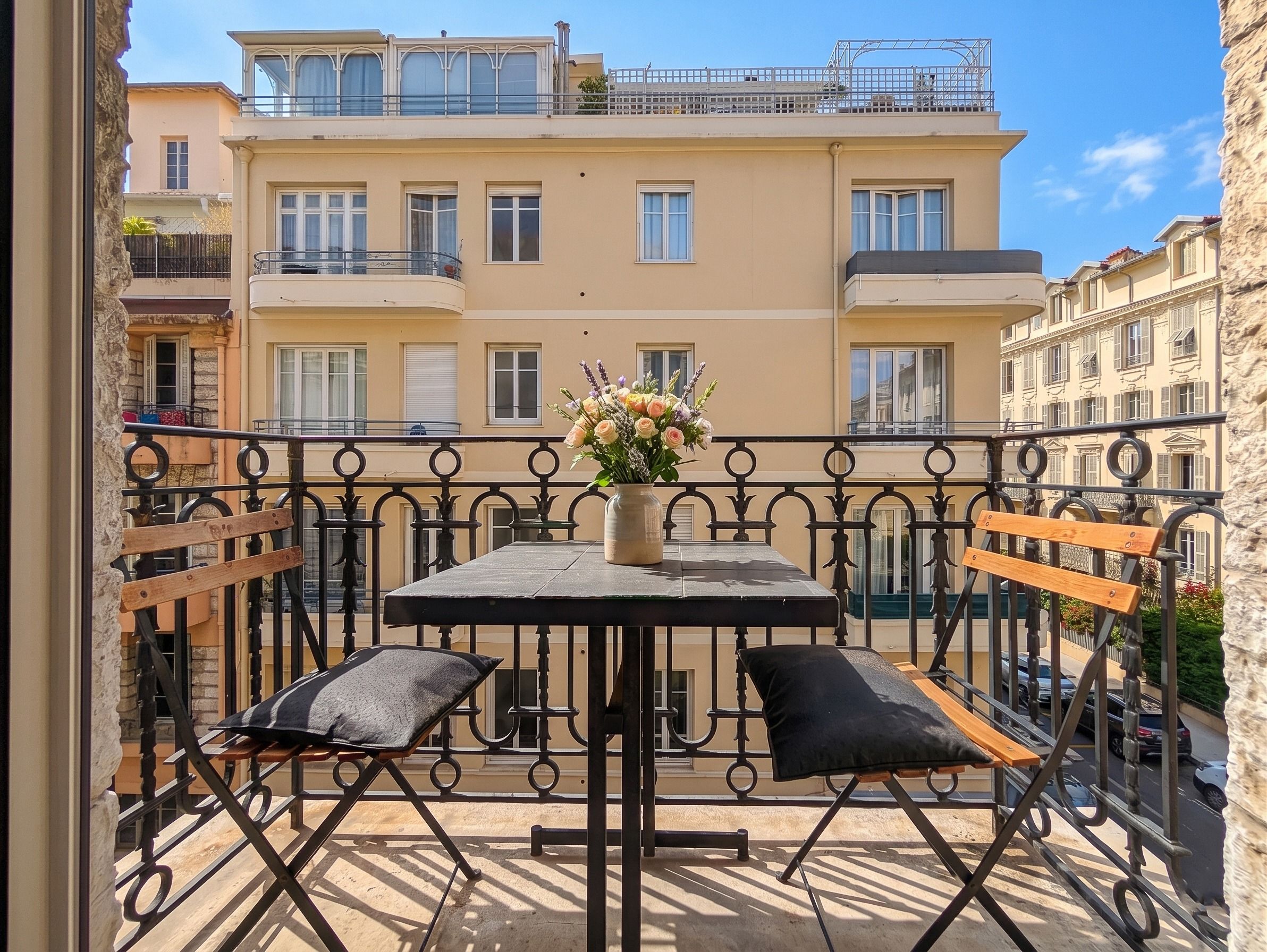
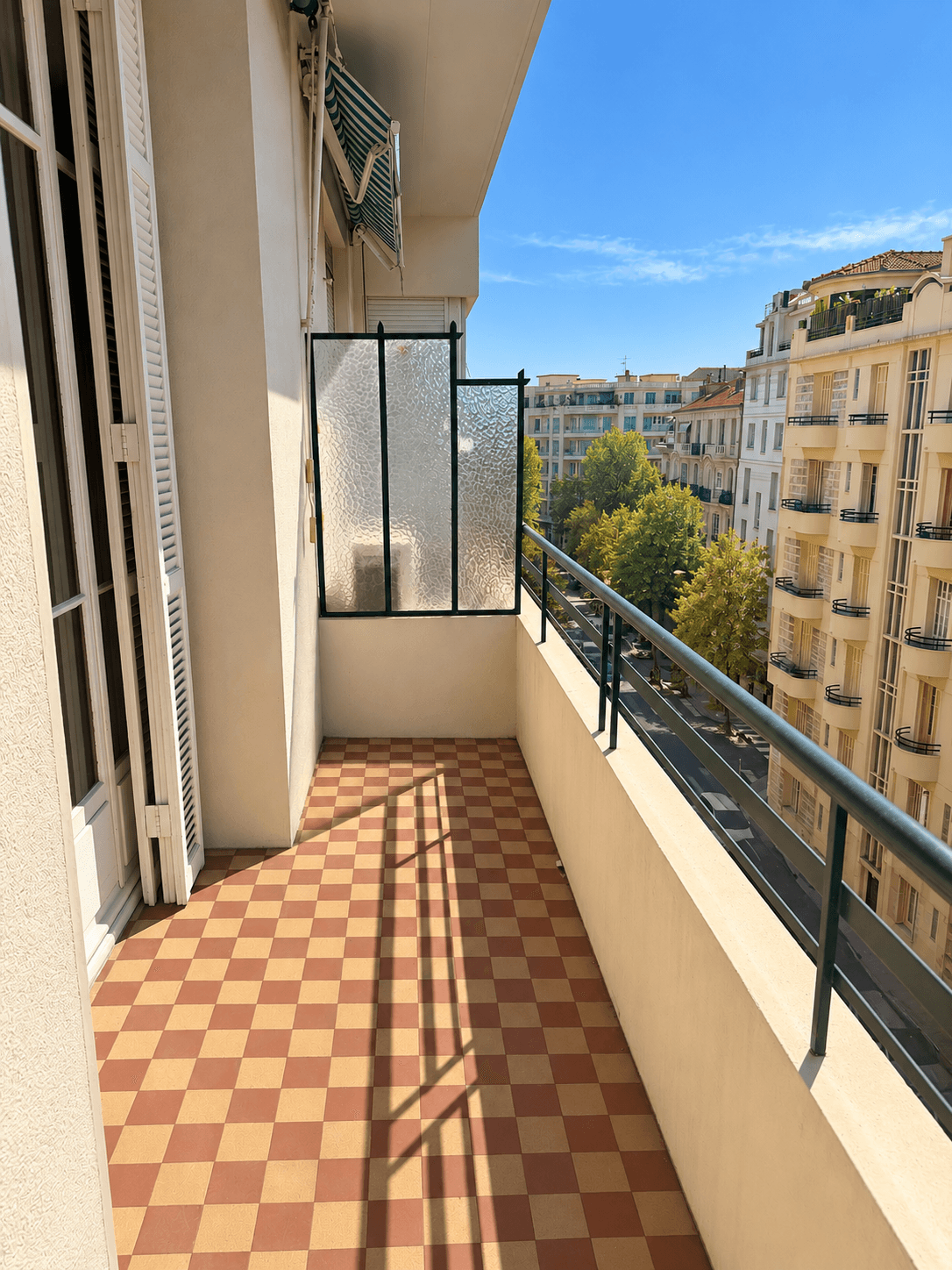
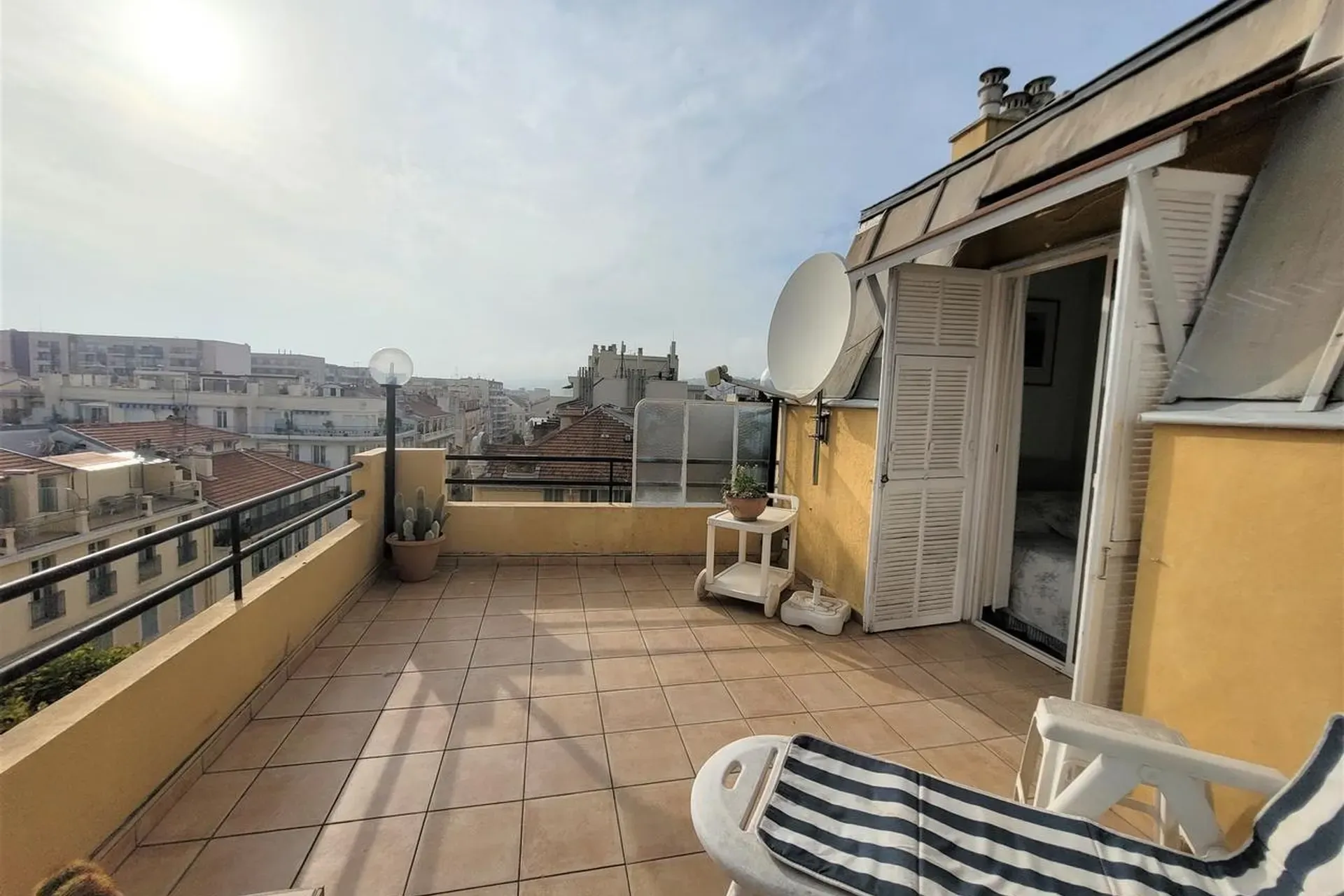
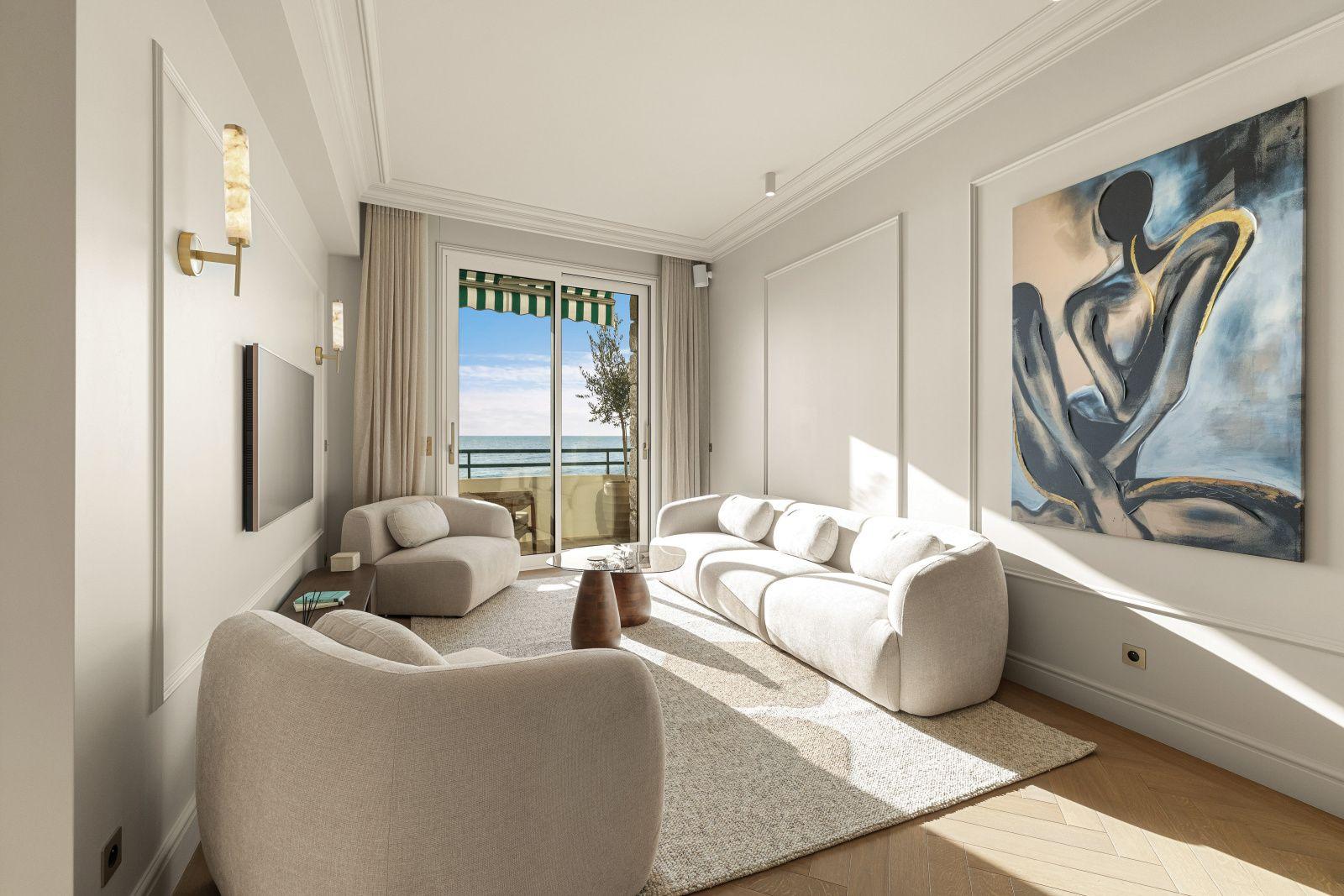
A flat overlooking the Port, a Belle Époque address in Cimiez or a compact pied-à-terre near Place Masséna can look persuasive on a viewing. But the rental income advertised with it may depend on permissions that do not transfer automatically with the sale. This Nice rental investment regulations guide explains the checks to make before you commit, particularly if you are buying from abroad and planning to let the property for part or all of the year.
The first question is not simply whether the flat is attractive to visitors or tenants. It is what type of letting you intend to operate. In Nice, the rules, tax treatment and practical risks differ sharply between a conventional long-term tenancy and a furnished holiday rental.
Nice rental investment regulations guide: choose the letting model first
A long-term rental is generally the more straightforward route. You may let an unfurnished property under a standard residential lease, or furnish it and offer a furnished tenancy. The usual private-sector lease is three years for an unfurnished home and one year for a furnished home, with specific alternatives for students and eligible mobile tenants. Each arrangement has different notice periods, deposit limits and obligations, so the intended tenant profile should shape the purchase decision.
Holiday letting, usually described in France as a meublé de tourisme, can produce higher gross income in a strong location. The old town’s ochre lanes and baroque squares, the beach districts and the Port naturally attract short-stay demand. Yet this model involves more administration, periods of vacancy, cleaning and guest management, and a closer level of municipal control.
Do not rely on an agent’s phrase such as “ideal Airbnb investment” as proof that the flat can lawfully be used that way. Ask for the precise rental history, the registration number where applicable, and copies of any municipal authorisations. A good year of bookings is useful market evidence, but it is not the same thing as a continuing right to let.
Holiday lets: registration and change of use in Nice
Nice has taken an active approach to regulating furnished tourist accommodation, especially where homes are removed from the long-term residential market. The central distinction is whether the property is your principal residence.
If it is genuinely your main home, French rules allow it to be let as tourist accommodation for up to 120 days in a calendar year. Local declaration and registration requirements still apply. The registration number normally needs to appear on online advertisements, and platforms may be required to monitor the annual limit.
For a second home or an investment property, the position is more demanding. Letting it on a short-stay basis can require prior authorisation for change of use from the City of Nice. In some cases, the city may also require compensation: the creation or conversion of equivalent residential space to offset the home being used for tourism. The conditions can depend on the address, the size of the property, previous use and the local rules in force when the application is made.
This is why an investor should not assume that a seller’s authorisation, if one exists, will pass automatically to the buyer. Ask whether it is attached to the property or to the owner, and have the answer confirmed in writing before signing the compromis de vente. Regulations and municipal procedures can change, so a current check with the relevant Nice department is worth making before you calculate returns.
There is another practical point. The city may apply its own tourist tax collection process, while booking platforms often collect tax in defined situations. Responsibility should be clear from the outset, particularly if a local concierge is managing the listing.
Read the copropriété documents before making an offer
A well-run building can be a real advantage for a rental investment. Equally, its rules may be the reason a projected holiday-let business does not work.
Every buyer should read the règlement de copropriété, the building’s governing document. Look for provisions concerning commercial activity, furnished tourist accommodation, nuisance, use of common areas and the character of the building. Some buildings are expressly residential. Others do not mention short lets but contain clauses that can still create difficulty if regular guest turnover disturbs neighbours.
Also request the minutes from recent co-owners’ meetings. They often reveal more than a sales brochure: a dispute about luggage in the entrance hall, concerns over key boxes, a planned façade renovation, or major works already approved but not yet paid for. In a period building around Carabacel or the Musiciens area, these details can materially affect both income and annual costs.
The syndic’s information pack should show charges, reserve funds, unpaid service charges and any known building works. A low purchase price can lose its appeal quickly if the roof, lift or façades are due for substantial repair.
Energy performance is now part of the investment calculation
The diagnostic de performance énergétique, or DPE, is no longer a document to glance at after choosing the property. It has become central to the ability to let a home long term.
Across metropolitan France, properties rated G have been barred from being newly let under standard residential leases since 2025. The timetable then tightens for F-rated homes in 2028 and E-rated homes in 2034. There are limited and sometimes complicated exceptions, but an investor should treat a poor rating as a financial issue requiring proper advice, not as a minor negotiation point.
Older Niçois buildings can be particularly nuanced. A high-ceilinged flat with original windows may be full of character, but insulation works, ventilation, heating upgrades and permissions within the copropriété all need consideration. If the property is in a protected area or has an attractive period façade, external alterations may be restricted.
Ask for the full DPE, not merely the letter grade. Read its recommendations alongside the electrical, gas and asbestos diagnostics where relevant. Then establish whether proposed works are possible in the building and whether they will improve the rating enough to protect the letting strategy. Holiday-let energy rules are developing too, so owners focused on short stays should not assume they are insulated from future standards.
Calculate net income, not the advertised yield
A rental calculation should include purchase costs, finance, annual taxe foncière, copropriété charges, insurance, maintenance, furnishing, management and periods when the property is empty. For holiday lets, add cleaning, linen, platform fees, guest communication and the cost of complying with local rules. A flat with a sea view in Mont Boron may command an excellent weekly rate, but it may also have higher charges and a narrower pool of long-term tenants.
French rental taxation depends on the type of income, the ownership structure and your personal tax residence. Furnished lettings are generally treated differently from unfurnished rents, and thresholds and allowances may change. Non-resident owners can also face obligations in both France and their country of residence. It is sensible to speak to a French accountant or tax advisor before choosing between personal ownership, joint ownership or a company structure.
Put the right questions into the purchase process
Before signing a reservation document or compromis, ask the notaire and selling side to clarify the property’s permitted use. If holiday letting is essential to your purchase, make that condition explicit rather than treating it as an informal expectation.
Your due diligence should cover the current DPE, the copropriété rules and meeting minutes, the property’s rental history, existing registrations or authorisations, planned building works, local tax charges and any management agreement. If a seller supplies projected income, ask how it was achieved: number of booked nights, average rate, management fees and whether the figures are gross or net.
The notaire handles the legal transfer, but investment suitability is a wider question involving the building, the street and the current local framework. A quiet top-floor flat in the Libération area may suit a dependable long-term tenancy better than a high-turnover visitor model. Near the Promenade des Anglais, the reverse may be true, provided the permissions and building rules support it.
A sound rental purchase in Nice is rarely about finding the highest headline yield. It is about buying a home whose permitted use, running costs and location work together over time. If you need an advisor on the ground to test those assumptions before you buy, Warde Property can help you look beyond the listing and focus on what will still make sense after completion.

Written by Joacim Örhall, Property Advisor & Director.