Buying guide · 7 min read
How to coordinate a remote property viewing in Nice
Learn how to coordinate a remote property viewing in Nice with clear video, local checks and practical questions before you commit to a visit or offer.
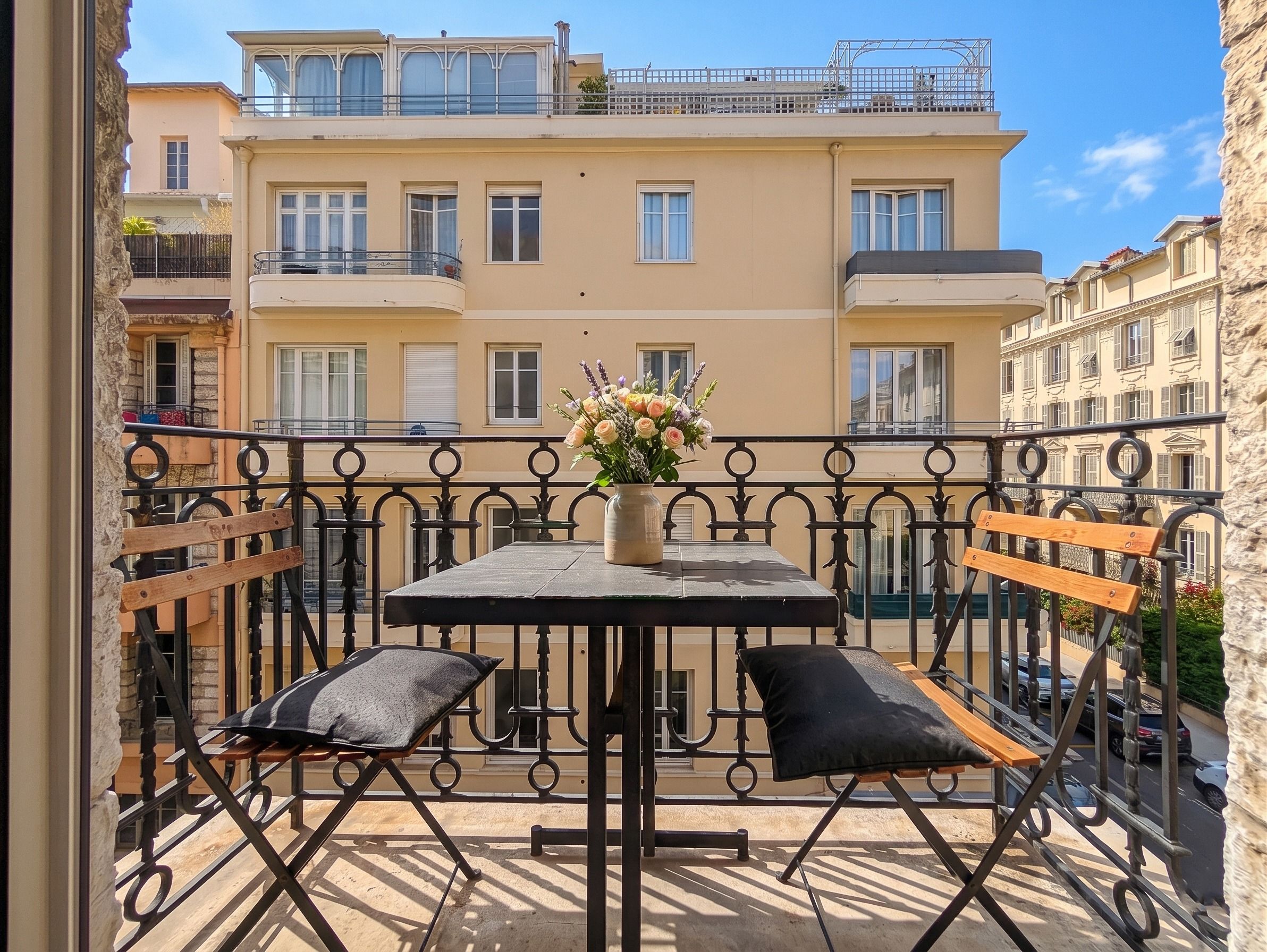
A south-facing terrace can look generous on a phone screen at 11am and feel exposed by late afternoon. A quiet street in Carré d’Or may be busy after the cafés close. These are the details that matter when you coordinate a remote property viewing in Nice from another country. The purpose is not to recreate a holiday visit through video. It is to gather enough honest, specific information to decide whether the property deserves your time, your travel and possibly an offer.
For buyers based in the UK, Scandinavia or elsewhere, a well-run remote viewing can narrow a search quickly. It can also prevent an expensive mistake. The difference lies in preparation, the quality of the person walking through the flat, and a willingness to ask questions that do not appear on a sales brochure.
Prepare before you coordinate a remote property viewing in Nice
A remote viewing works best once the basic facts have been checked. Ask for the exact address or, where this cannot be given initially, the street, building position and a clear explanation of the immediate surroundings. In Nice, two blocks can change the experience considerably. A flat near Place Masséna and one nearer the busy sections of Jean Médecin may have similar distances to the tram, yet a very different level of noise, light and footfall.
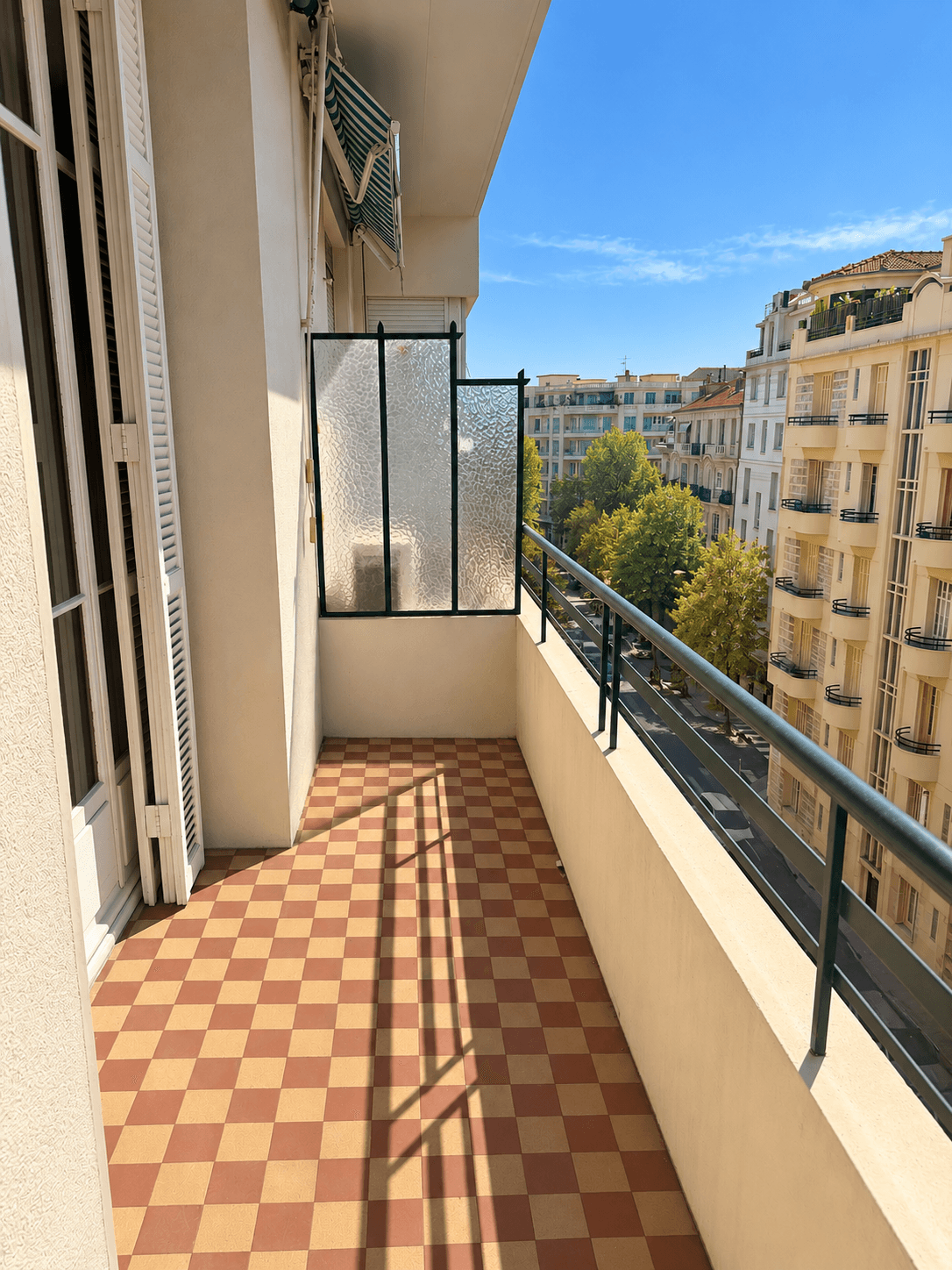
Before the call, request the floor plan, the diagnostic reports available, the annual copropriété charges, taxe foncière, floor level, lift details and the energy rating. These documents will not tell you whether a home feels right, but they give context to what you see. If the flat has a terrace, confirm whether it is private, what direction it faces and whether the building rules restrict awnings, planting or alterations.
It also helps to agree what the viewing is meant to answer. A second-home buyer may be focused on ease of arrival from the airport and whether shutters can be managed remotely. A family may need to understand school runs, storage and the walk to local shops. An investor will want to look closely at charges, rental restrictions and likely maintenance. One viewing cannot answer every question equally well, so priorities should be clear in advance.
How to coordinate a remote property viewing in Nice
Set a time when the light is useful, rather than simply convenient. Morning can reveal how an east-facing room performs; later afternoon is more revealing for a west-facing terrace. If possible, ask for a second short call at another time of day when the property is a serious contender. Nice light is one of the city’s great pleasures, but it changes quickly between the open seafront, the narrow streets of Vieux-Nice and the slopes towards Cimiez.
The person conducting the viewing should begin outside the building. Seeing the approach on foot is more informative than starting in a polished sitting room. Ask to see the pavement, neighbouring façades, entrances, bins, parking arrangements and the view looking both ways along the street. In an older building, it is sensible to see the communal entrance, stairwell, lift and letterboxes too. They offer clues about maintenance and how the copropriété is run.
Ask for one continuous walkthrough
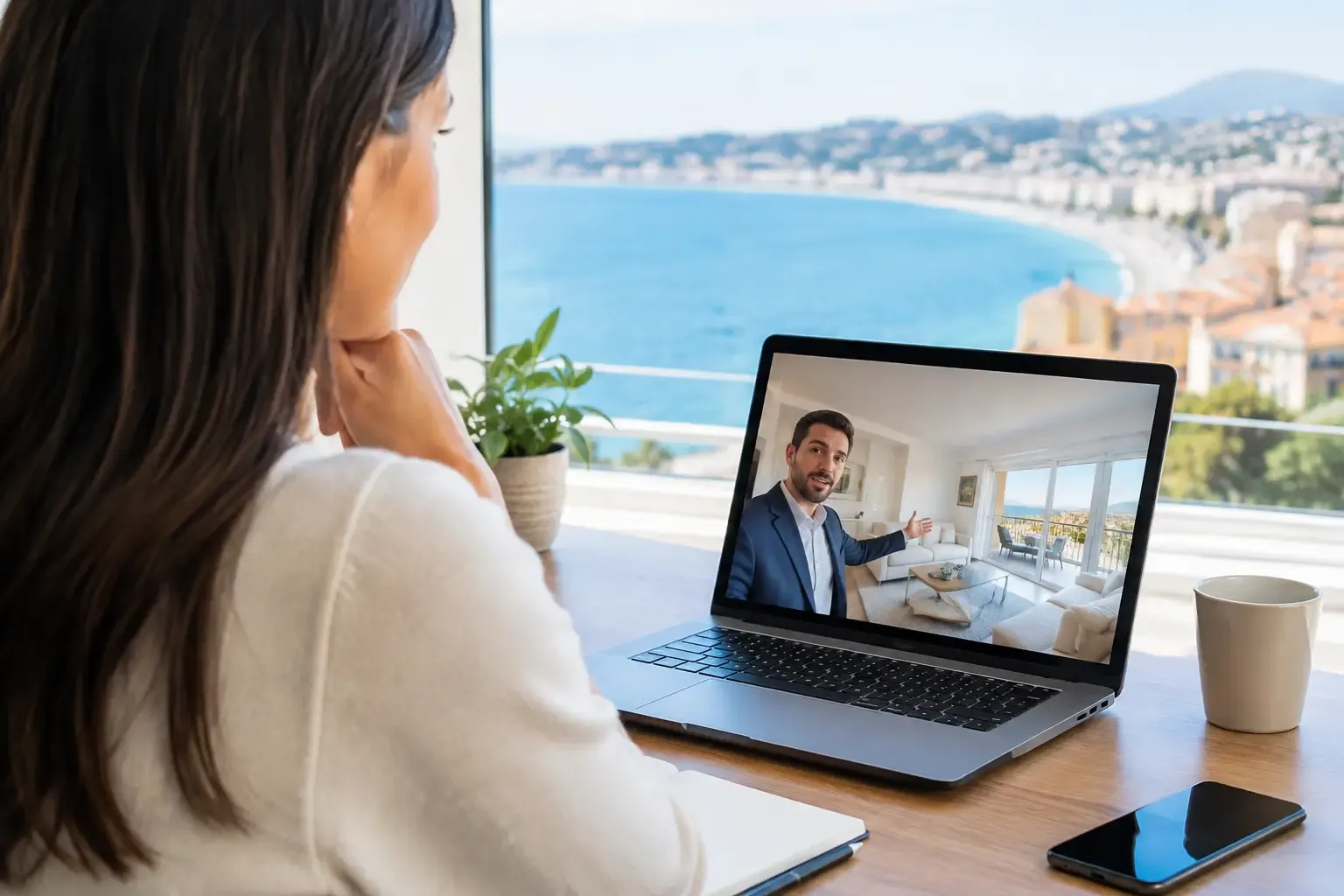
A continuous video call is preferable to a collection of edited clips. It gives you a realistic sense of scale and layout: how long it takes to cross a room, whether the hallway is narrow, and whether the kitchen is genuinely separate or simply photographed cleverly. Ask for doors to be opened, cupboards shown, shutters raised and lowered, and windows opened where practical.
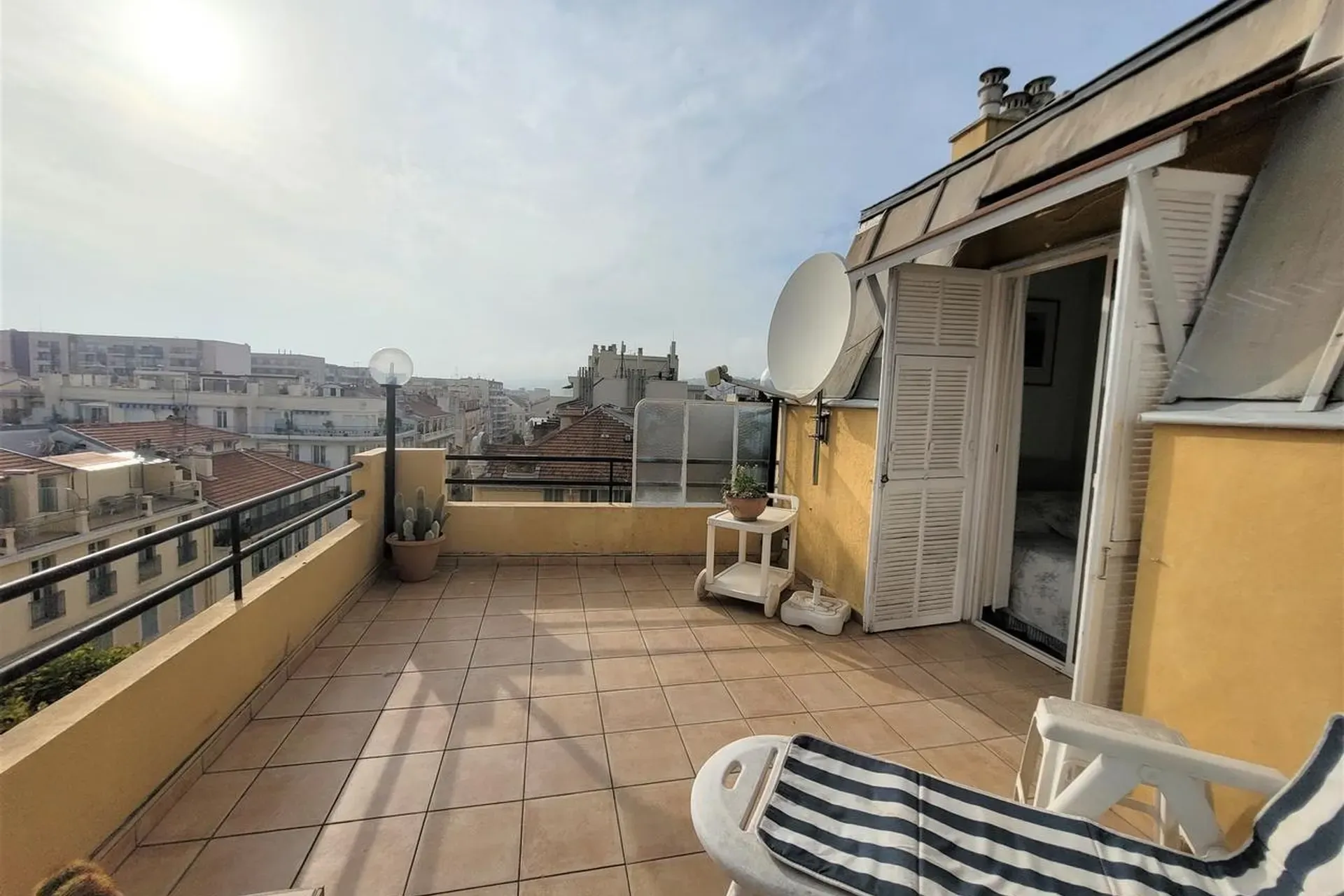
You should also ask the adviser to pause rather than keep narrating. A few quiet moments by an open window can reveal traffic, construction work, school noise or a lively restaurant terrace below. If there is an air-conditioning unit, boiler or electric heating, ask to see it and to understand its age and condition. For a top-floor flat, questions about insulation, roof works and summer heat are sensible, not pessimistic.
Be direct about flaws
The useful remote viewing is not the one that makes a property look perfect. It is the one that makes its compromises clear. Request close views of damp marks, cracks, worn joinery, dated bathrooms and any parts of the terrace or balcony that may need attention. Ask whether the view is protected or whether a neighbouring plot could be developed. If the building has planned works, find out what has been voted, what remains under discussion and who will pay.
French property documents can be detailed, particularly for larger copropriétés. Minutes from recent annual meetings may show discussions about roof repairs, façades, lifts, water ingress or unpaid charges. Not every mention is a reason to walk away, but it should be understood before price negotiations begin.
Look beyond the rooms
Nice is a city of distinct quarters, not a single lifestyle. A beautifully renovated flat may still be wrong if its setting does not suit how you intend to live. During the call, ask for a short walk to the nearest bakery, food shop, tram stop or beach access. For some buyers, the morning market around Libération matters more than a sea glimpse. Others want the calm of Mont Boron, the Belle Époque villas among the pines in Cimiez, or the practical convenience of the Port.
A video call cannot reliably convey the character of a neighbourhood at every hour. It can, however, help you ask better questions. Is the route home uphill? Does the street feel residential after dark? How close is the nearest supermarket? Is there a loading area outside that becomes noisy in the early morning? These are straightforward matters, yet they shape daily life more than a wide-angle photograph does.
At Warde Property, this is where street-by-street knowledge is valuable. A buyer abroad needs a clear opinion, including when a property is not worth pursuing, rather than vague reassurance.
Match the viewing to the French buying process
A remote viewing is not a substitute for legal checks or a survey where one is needed. It is the first practical stage of due diligence. Once you are considering an offer, confirm the advertised living area, known defects, copropriété charges and any conditions that matter to you. Your offer can be made subject to agreed points, but the wording and strategy should reflect the particular transaction.
If an offer is accepted, the next key document is usually the compromis de vente. The notaire will carry out legal searches and prepare the path to completion. Buyers normally have a statutory cooling-off period after receiving the signed preliminary contract. This is reassuring, but it should not be treated as a reason to skip sensible questions beforehand.
It is also worth planning for a physical visit before signing where circumstances allow. A remote viewing can establish whether a home is a strong candidate; seeing it yourself can confirm the feel of the building, the journey through the area and the small practical points that video misses. For a competitive property, timing may mean making an informed offer before travelling. That can be reasonable, provided the facts, risks and next steps have been discussed plainly.
When a remote viewing is not enough
Some properties require more caution. A villa with land, a top-floor home with a large roof terrace, a flat needing renovation or an older building with unclear maintenance history should usually involve further inspection. The same applies where mobile signal is poor, views are central to the value, or the condition of shared areas raises questions.
In those cases, arrange a focused follow-up rather than forcing a decision from one call. A second video visit may include a builder, an architect or a trusted local contact, depending on the work proposed. For buyers who cannot travel quickly, this measured approach is often better than relying on optimism.
The right remote viewing should leave you with a clearer decision, not a stronger sales impression. If you come away knowing what you like, what you would need to change and what still needs checking, the call has done its job. From there, you can decide calmly whether Nice is asking you to book a flight, make an offer, or keep looking.

Written by Joacim Örhall, Property Advisor & Director.