8 min read
Nice market trends: what buyers and sellers see
Nice market trends are becoming more local: see what demand, pricing, energy ratings and buyer behaviour mean for selling or buying in Nice this year.
A two-bedroom flat five minutes from the tram can attract very different interest from an equally sized flat a few streets away. In Nice, the view, floor, lift, outside space, energy rating and precise address often matter more than a broad average price. That is the central point behind current Nice market trends: this is not one market moving at one speed, but a collection of neighbourhood markets with distinct buyers, budgets and expectations.
For owners, this makes an accurate valuation more valuable than ever. For buyers, it rewards patience and a clear brief. A home that looks expensive beside a citywide average may be sensibly priced for its condition and location. Another that appears to be a bargain may require work, face a noisy road or carry an energy-performance issue that changes the cost of ownership.
Nice market trends are increasingly street by street
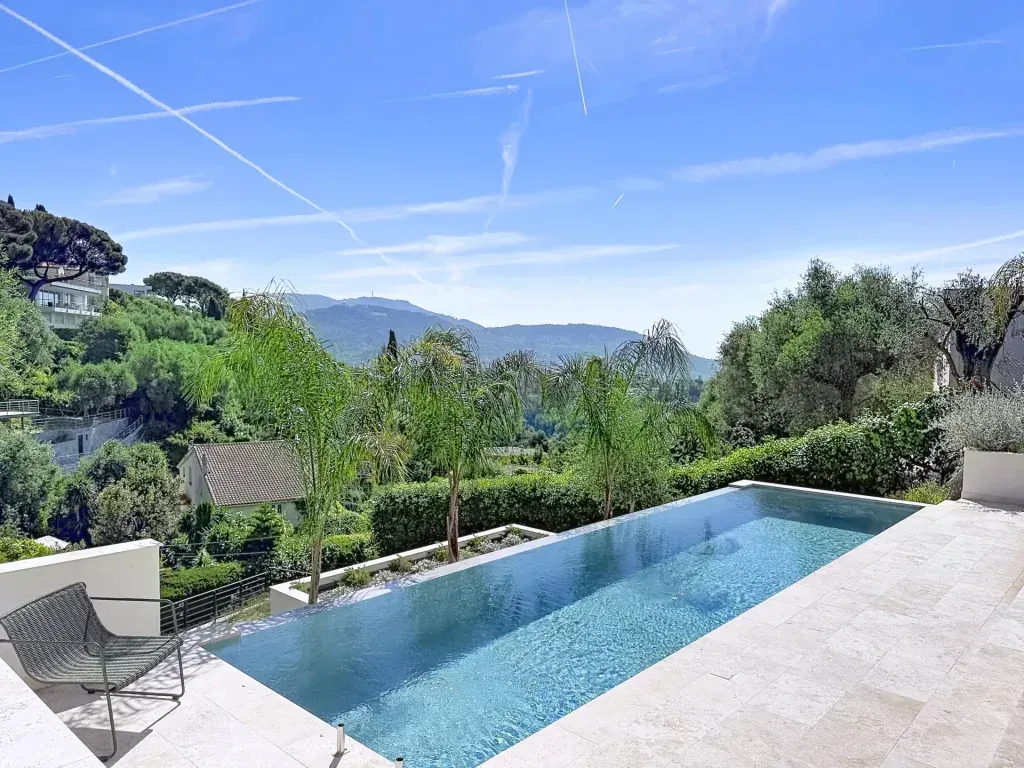
Nice has always been a city of contrasts. The ochre lanes and baroque squares of Vieux Nice appeal to buyers seeking character and an immediate connection to city life. The Carré d’Or and the Musiciens attract those who want central living close to shops, restaurants and the Promenade. Cimiez offers quieter residential streets, period buildings and access to schools, while Mont Boron, Cap de Nice and Gairaut answer a different brief altogether: space, views, greenery and, in some cases, a villa rather than a flat.
These differences are now more visible in negotiations. Buyers are willing to pay for the right combination of address, natural light, a terrace, a lift and a well-kept building. Yet they are less inclined to overlook compromises simply because a property is in a sought-after postcode.
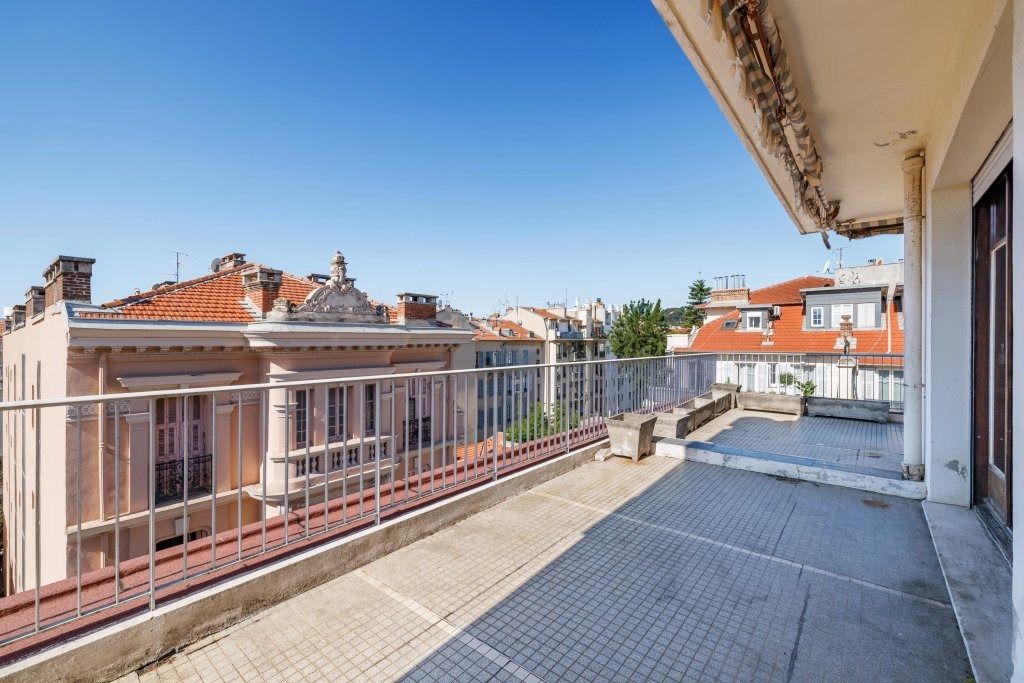
A fourth-floor flat without a lift, for example, may suit an agile holiday buyer but narrow the audience for a retiree or family. A beautiful Belle Époque building can command attention, but buyers will also ask about the façade, roof, communal charges and planned works. In Nice, a property is rarely judged on its photographs alone.
Demand remains broad, but buyers are more deliberate
Nice benefits from several overlapping pools of demand. There are local purchasers moving within the city, French buyers from Paris and other regions, international second-home buyers, professionals relocating for work, and investors looking for a well-located pied-à-terre. That breadth gives the market resilience, particularly for homes with features that cannot be easily replicated.
The change is in the way people decide. Many buyers begin their search with a wider area in mind, then become more selective once they understand the practical differences between quarters. A buyer who initially asks for central Nice may find that Libération offers better daily life and value than the Carré d’Or. Another may realise that the port suits them better than Vieux Nice because they want easier access by car, a more open outlook or a particular style of building.
For overseas buyers, the decision can take longer. They may make a first viewing trip, return after narrowing the search and need time to arrange finance, understand French ownership costs and consider how often they will use the property. This is not a lack of intent. It is a more careful form of demand.
Sellers should not mistake fewer impulsive viewings for weak interest. The right buyer may be highly prepared, but they expect clear documents, honest answers and a property presented at the correct level from the outset.
Price is only part of the negotiation
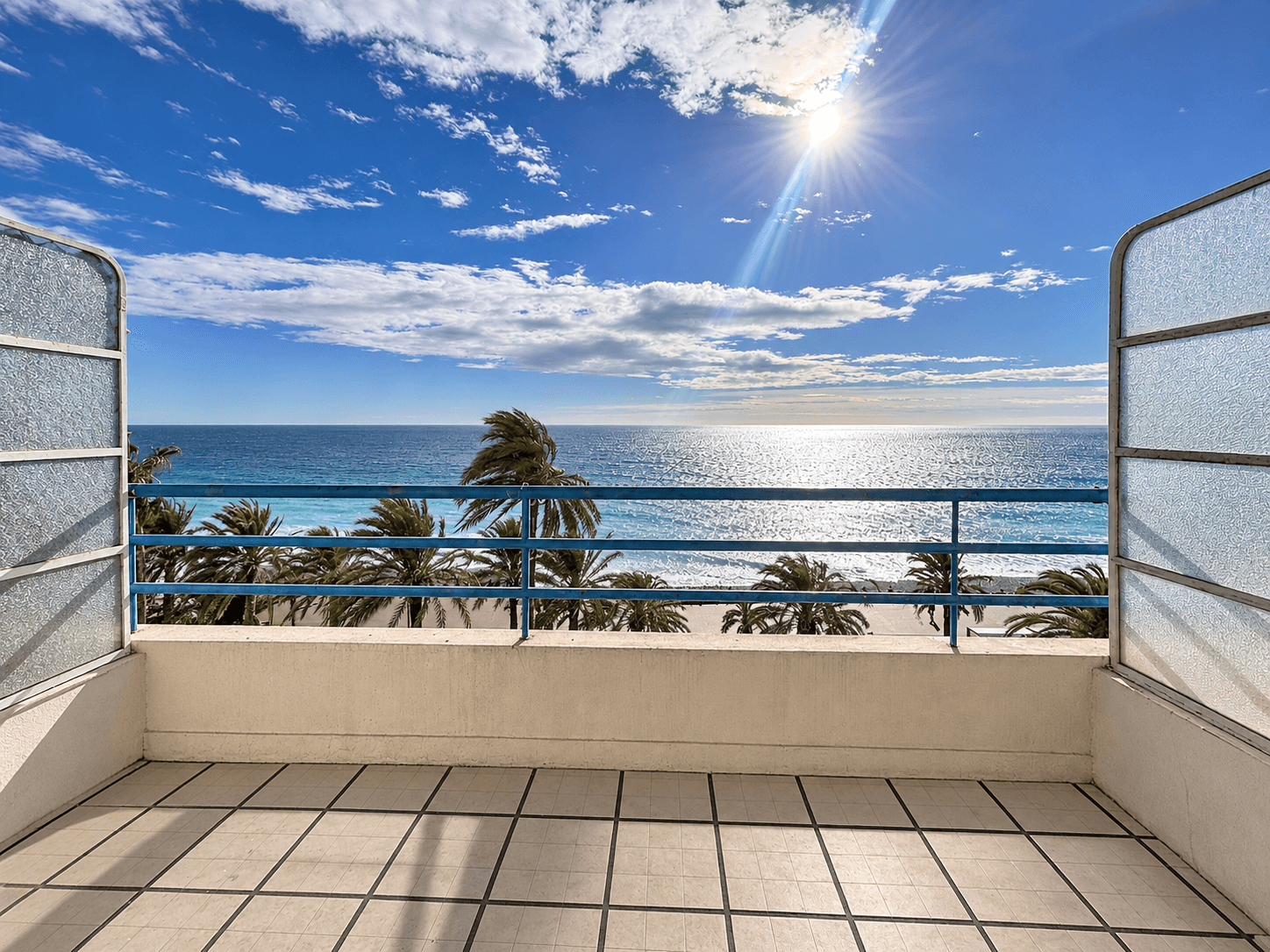
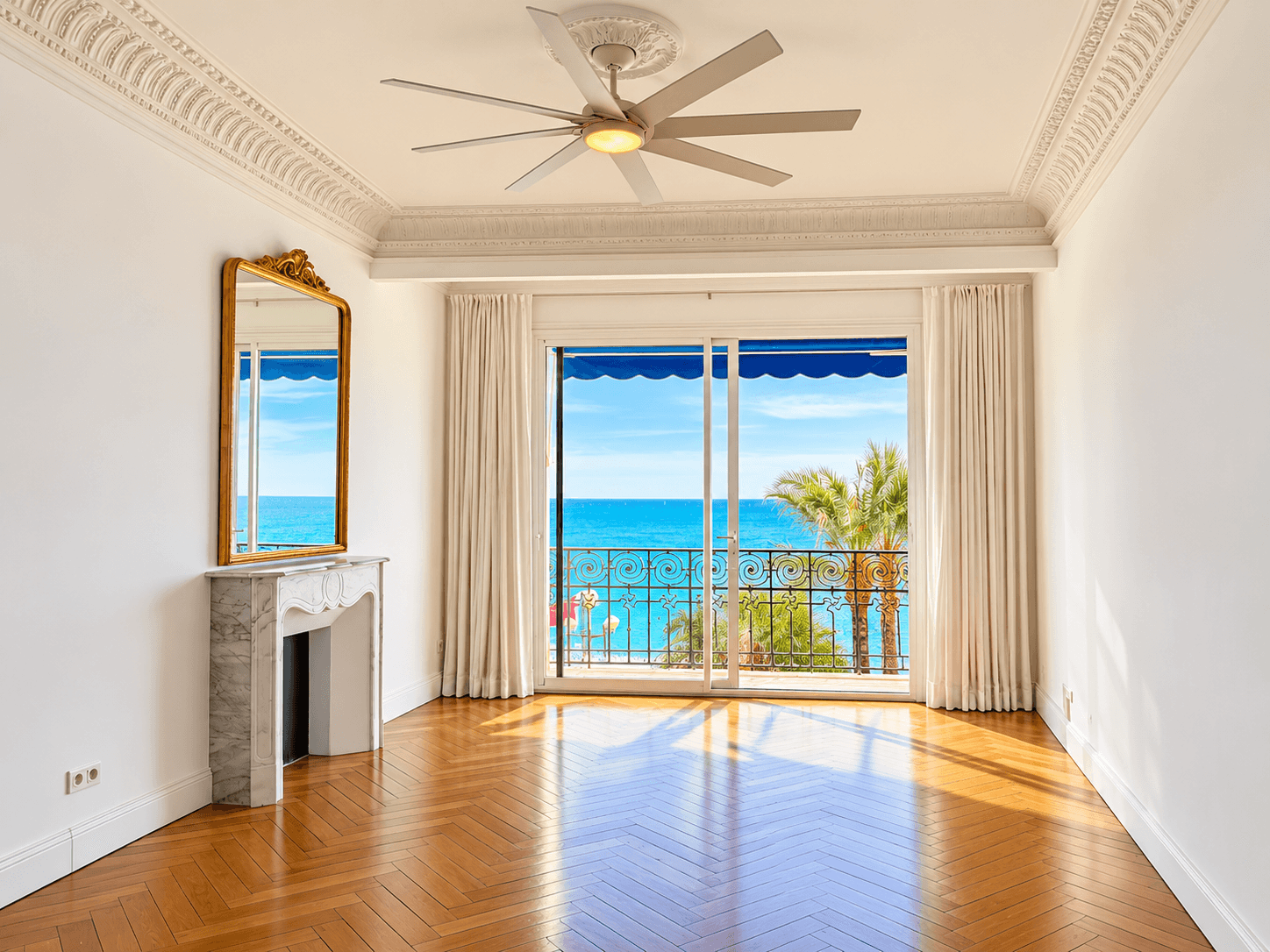
Headline price per square metre is useful as a starting point, not a valuation. Two flats in the same building can differ materially in value because one has a sea view, a deep balcony and renovated electrics, while the other faces north over a courtyard and needs complete refurbishment.
The same applies to condition. Turnkey homes continue to appeal strongly, especially to buyers arriving from abroad who do not want to manage a renovation from another country. But a home requiring work can still sell well when the price reflects the reality of the project. Problems arise when a seller prices a dated flat as though it were newly renovated, or when a buyer assumes cosmetic work is the only expense before obtaining reliable quotes.
Negotiation is therefore more evidence-led. Buyers look at comparable sales, the length of time a home has been available, the energy rating, monthly charges and anticipated building works. Sellers need a clear explanation of why their home is worth its asking price, supported by its individual strengths rather than vague comparisons with an entire district.
A sensible offer is not always the highest offer. The proposed completion timetable, financing position, conditions attached to the purchase and the buyer’s understanding of the French process can all matter. The compromis de vente is a serious step, and a smooth route to the notaire is often worth protecting.
Energy ratings now influence the conversation earlier
The French DPE energy rating has become a practical part of the property discussion, especially for investors and buyers considering future rental use. A weaker rating does not automatically make a home unsuitable. Many period properties in Nice have constraints that must be understood in context, and some improvements are straightforward while others depend on co-ownership approval or the building’s construction.
What matters is that the issue is addressed openly. Buyers should ask what heating system is in place, whether windows have been upgraded, how hot water is produced and whether works have been discussed by the copropriété. They should also distinguish between a home intended for personal use and one bought primarily for long-term or seasonal letting, where regulations and economics may be different.
For sellers, providing the DPE early, alongside charges, property tax, floor plans and relevant co-ownership information, reduces uncertainty. It signals that there is nothing to hide and gives prospective buyers the confidence to focus on the home itself.
What this means for sellers in Nice
The strongest preparation is not expensive styling or exaggerated language. It is clarity. A buyer should be able to understand the home, the building and the location before making a long journey for a viewing.
That means setting a price based on close comparables and the property’s actual condition; preparing the required documents early; photographing rooms honestly and attractively; and being ready to discuss both the advantages and the limitations. A ground-floor garden flat may be delightful, but privacy and humidity may be valid questions. A top-floor home may offer light and views, but summer comfort, lift access and roof maintenance deserve proper answers.
Overpricing is particularly costly in a selective market. The first weeks of marketing usually bring the most informed attention. If the price does not match the evidence, the property can become familiar without becoming compelling.
What this means for buyers
Buyers do best when they separate essentials from preferences. A sea view, a terrace, parking, a lift, a short walk to the beach and a period building may all be desirable, but they do not always coexist within one budget. Knowing which two or three elements genuinely shape your life in Nice makes the search more efficient and the eventual decision more confident.
It is also worth allowing for the full cost of ownership. Beyond the purchase price, there are notaire fees, agency fees where applicable, annual property taxes, copropriété charges, insurance and potential works. A lower-priced flat with substantial renovation needs is not necessarily better value than a well-maintained home at a higher price.
For those buying from abroad, local representation can make the difference between seeing properties and understanding them. At Warde Property, that means looking beyond the listing to explain the street, building, likely resale audience and practical steps through to completion and after the keys are handed over.
The most useful way to read Nice market trends is to stop looking for one verdict on the city. Start with the life you want to lead, then assess each home on its own merits. In a city where one turn can take you from a lively boulevard to a quiet square beneath the pines, that attention to detail is often where the right decision begins.

Written by Joacim Örhall, Property Advisor & Director.