7 min read
Estate agent versus buyer representative
Estate agent versus buyer representative: understand who acts for whom when buying a home in Nice, and where independent advice matters most in France.
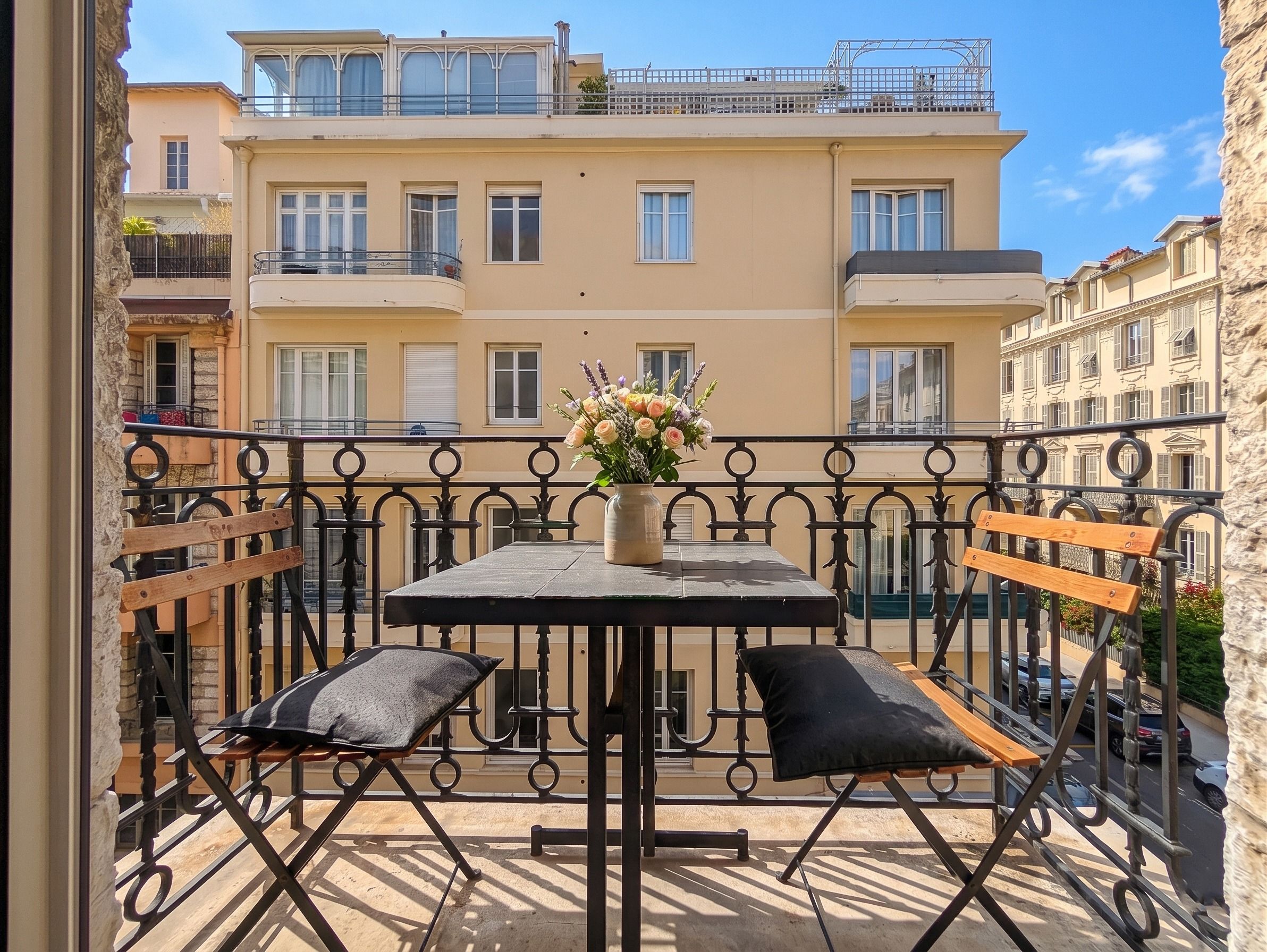
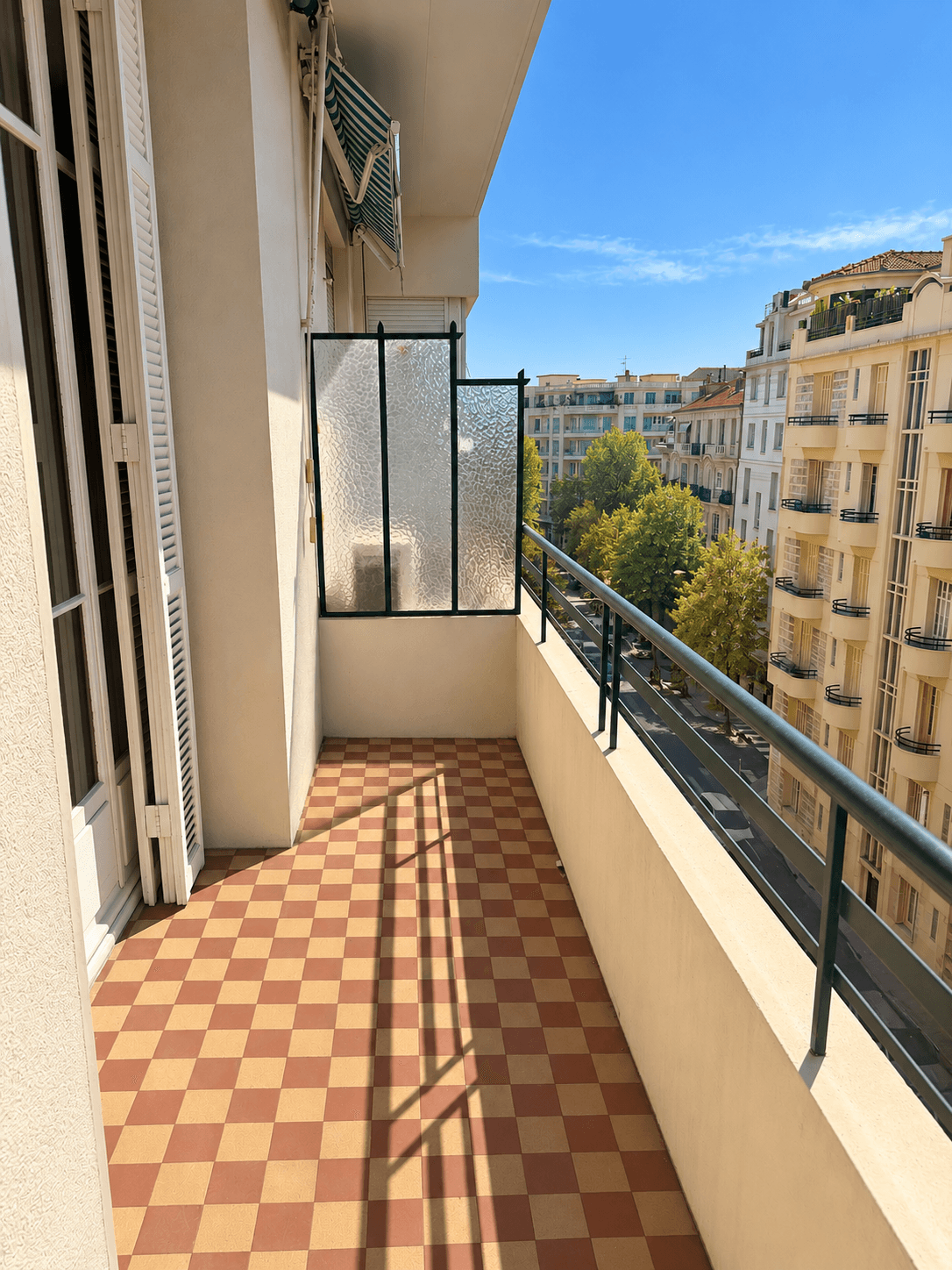
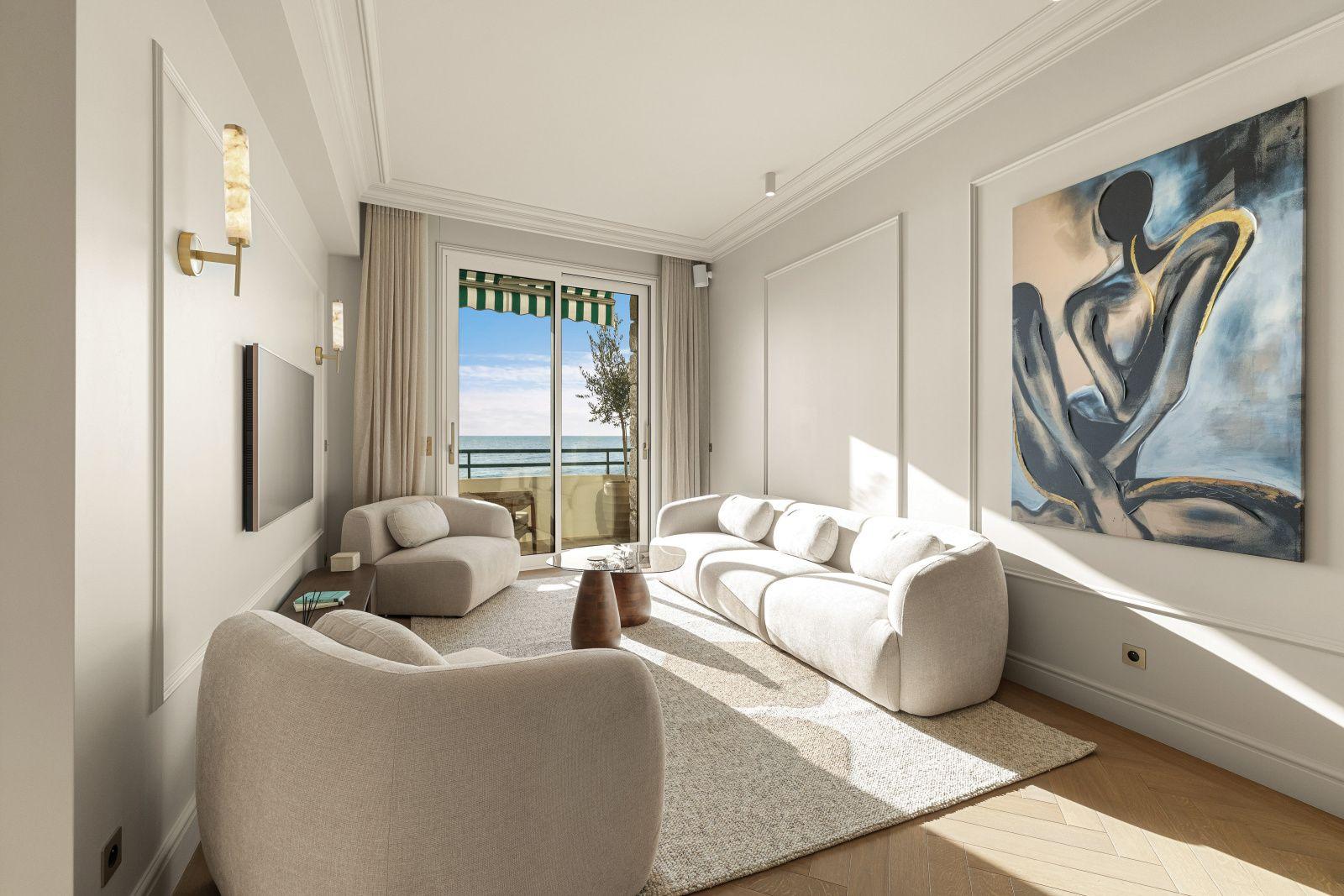
A flat may look perfect at first glance: high ceilings near Place Masséna, a balcony above the Port, or sea views from Mont Boron. Yet the more useful question is often not whether you like it, but who is advising you through the decision. In the estate agent versus buyer representative discussion, the difference is simple in principle: an estate agent commonly acts for the seller; a buyer representative is engaged to act for the buyer. In practice, particularly when purchasing from abroad, that distinction can affect the homes you see, the advice you receive and the way you negotiate.
Estate agent versus buyer representative: who is the client?
A selling estate agent has a mandate from the owner to market a property and secure a sale. Their work can involve advising on price, arranging photography, qualifying enquiries, conducting viewings and taking the transaction through to the notaire. A good agent will also be honest about a property’s limitations. Their legal and commercial relationship, however, begins with the seller.
This does not make a selling agent the wrong person to deal with. Far from it. They usually know the property better than anyone, can explain the seller’s timetable and are central to moving a purchase forward. In Nice, where many properties are sold through shared-agency arrangements, speaking to the listing agent is often unavoidable and useful.
A buyer representative, sometimes called a property finder or search adviser, has a different starting point. The buyer gives them a search mandate and sets the brief: location, budget, lifestyle, condition, rental considerations and timing. The representative researches the market, approaches relevant agencies, filters options and advises the buyer before and during negotiation.
The distinction matters most when you need someone to say, calmly, that a property is not right for you. Perhaps the fifth-floor flat has no lift and the co-ownership has just voted for façade works. Perhaps the advertised Carré d’Or address is technically nearby but lacks the quieter feel you wanted. Or perhaps the price is fair for a renovated flat, but not for one requiring a new kitchen, electrics and air conditioning.
What a buyer representative adds in Nice
Nice is not one market. A budget that buys a carefully restored two-bedroom flat in the Musiciens may mean a different kind of property in Cimiez, the Port or Fabron. Street orientation, tram noise, a steep walk from the seafront, seasonal footfall and the condition of the building can materially change both daily life and value.
A buyer representative should turn a broad wish into a workable brief. Someone seeking a pied-à-terre may prioritise lock-up-and-leave simplicity, proximity to the airport and a building with manageable communal costs. A relocating family may need to test the school run, storage, lift access and whether the quoted floor area feels sufficient in real life. An investor may look closely at restrictions in the building rules, energy performance and the likely cost of improvements.
The representative does not merely send listings. Their value is in the filtering. That can mean rejecting properties before you spend a day travelling to view them, comparing an asking price with recent local evidence, or explaining why a beautiful Belle Époque building among the pines may carry higher future maintenance costs than a newer residence.
For buyers abroad, there is also practical continuity. One adviser can coordinate viewings into a sensible itinerary, speak with French agencies, translate the substance of documents and keep the process moving when you are back in London, Stockholm or Copenhagen. This does not replace the notaire, lawyer, surveyor or specialist tradesperson where one is needed. It gives you a person on the ground who keeps the questions connected.
Access is broader, but never limitless
A common reason to appoint a buyer representative is access to more of the market. Rather than being limited to one agency’s stock, they can approach multiple agencies and identify properties before they are widely promoted. Some sellers also prefer discreet marketing, especially for larger villas or homes occupied year-round.
That said, no adviser can promise access to every suitable home or guarantee an off-market opportunity. The Côte d’Azur market is fragmented, and some owners will only sell through a chosen agent. A careful representative is transparent about this. The aim is not a dramatic claim of hidden inventory; it is to ensure that worthwhile opportunities are found, assessed and pursued quickly.
Negotiation: information before pressure
Buying in France can feel unfamiliar because the offer, or offre d’achat, carries weight. Once accepted, it can form the basis of the sale process, subject to the terms agreed and the subsequent contract. Buyers should therefore understand the price, financing position and proposed conditions before making an offer rather than treating it as a casual first move.
A selling agent may help facilitate the negotiation, but their job is to obtain an acceptable outcome for their client. A buyer representative can focus on your ceiling price, your conditions and the evidence behind the offer. That might include the condition of the flat, the quality of comparable sales, planned works in the building, length of time on the market and the seller’s stated timetable.
Price is only part of the negotiation. Completion dates, included furniture, finance clauses and any work to be done before signing can be just as valuable. A seller accepting a lower offer with clean financing and a workable timetable may be making a rational choice. Equally, a buyer should not overpay simply because another interested party has appeared. The right approach depends on the property, the competition and how easily the buyer could find a comparable alternative.
Fees, mandates and conflicts of interest
Ask early how everyone is paid. In France, agency fees may be paid by the seller or charged to the buyer, and the presentation of the asking price should make this clear. A buyer representative may charge under a separate search mandate, sometimes as a fixed fee, sometimes as a percentage, or through another agreed structure.
The best arrangement is not automatically the cheapest one. It is the one you understand. Before committing, ask what the service includes, whether fees are due if you find a property independently, how long the mandate lasts and how any shared-agency commission is handled.
Conflicts can arise when the same professional or business is involved with both sides of a transaction. This can be permitted where it is properly disclosed, but you should understand what it means for the advice you receive. If your priority is fully buyer-led counsel, choose an adviser whose role, remuneration and obligations are clear from the outset.
You should also confirm that the professional is properly authorised to operate in France and can work under the relevant written mandate. Property transactions involve significant commitments. Clear paperwork is a sign of care, not unnecessary formality.
When a selling agent may be enough
Not every buyer needs a separate representative. If you already know Nice well, have identified a particular flat through a reputable agent and are comfortable managing viewings, documents and negotiation, working directly with the selling agent can be efficient. It may also suit a straightforward purchase where you have French support and ample time to compare options.
Even then, ask direct questions. Why is the owner selling? What works have been approved or discussed by the co-ownership? What are the annual charges and property tax? Has the building had any water ingress, lift issues or major repairs? What is included in the sale? The answers should be verified through the documents supplied during the process, not simply taken on trust.
A buyer representative becomes more valuable where the brief is broad, time is limited or the purchase carries more uncertainty. This is often the case for first-time buyers in France, overseas buyers, families relocating on a deadline and clients considering several quarters they do not yet know well.
Choosing the right adviser
The question is less about choosing a label and more about choosing accountability. You want someone who knows the streets you are considering, returns calls promptly, explains what they do not know and is willing to advise against a purchase when the facts warrant it.
At Warde Property, that means one adviser stays close to the process, from the first conversation through viewings, negotiation, notaire signing and the practical matters that follow. Insurance, utilities and reliable renovation contacts are not glamorous details, but they matter when you are opening the door to a new home from another country.
Before signing any mandate, describe your ideal purchase and your non-negotiables in plain terms. Then ask the adviser to explain how they would search, what they would challenge and when they would tell you to walk away. The right answer should leave you clearer, not hurried.

Written by Joacim Örhall, Property Advisor & Director.