7 min read
How to sell my property in Nice with confidence
Planning to sell your property in Nice? Learn how pricing, presentation, paperwork and local negotiation shape a well-managed sale, wherever you live.
If you are searching to se, the decision is rarely just about putting a flat online. Perhaps it is a pied-à-terre you no longer use as often, an inherited property, or a home you bought before a move abroad. In Nice, the route to a good sale depends on the particular building, street and buyer audience as much as the view or the number of square metres.
A bright two-bedroom near the Port will be assessed differently from a Belle Époque flat in Cimiez, a top-floor home in the Musiciens quarter or a compact studio near the sea in Carré d’Or. The right approach begins with an honest understanding of where your property sits in its local market, then follows through with careful presentation, clear communication and properly managed legal steps.
Sell my flat in Nice: start with the right price
An asking price is not a prediction of what a seller hopes to receive. It is a strategy for attracting serious attention while protecting the value of the property. Buyers in Nice can compare a large number of listings, particularly in popular central quarters. If a home is visibly overpriced, it may receive early viewing traffic but no credible offers. After several months, even an attractive flat can become harder to sell because buyers begin to ask what is wrong with it.
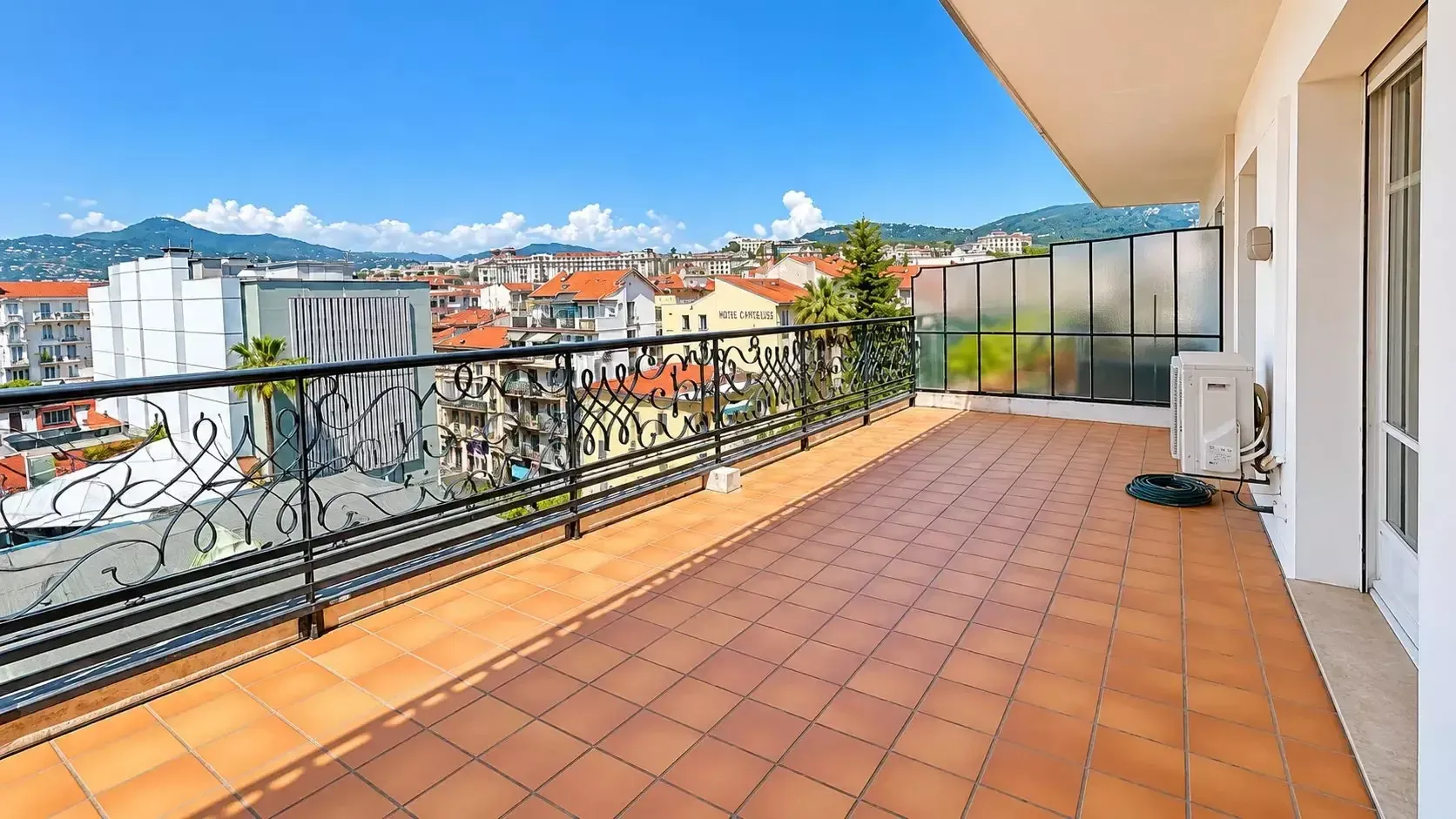
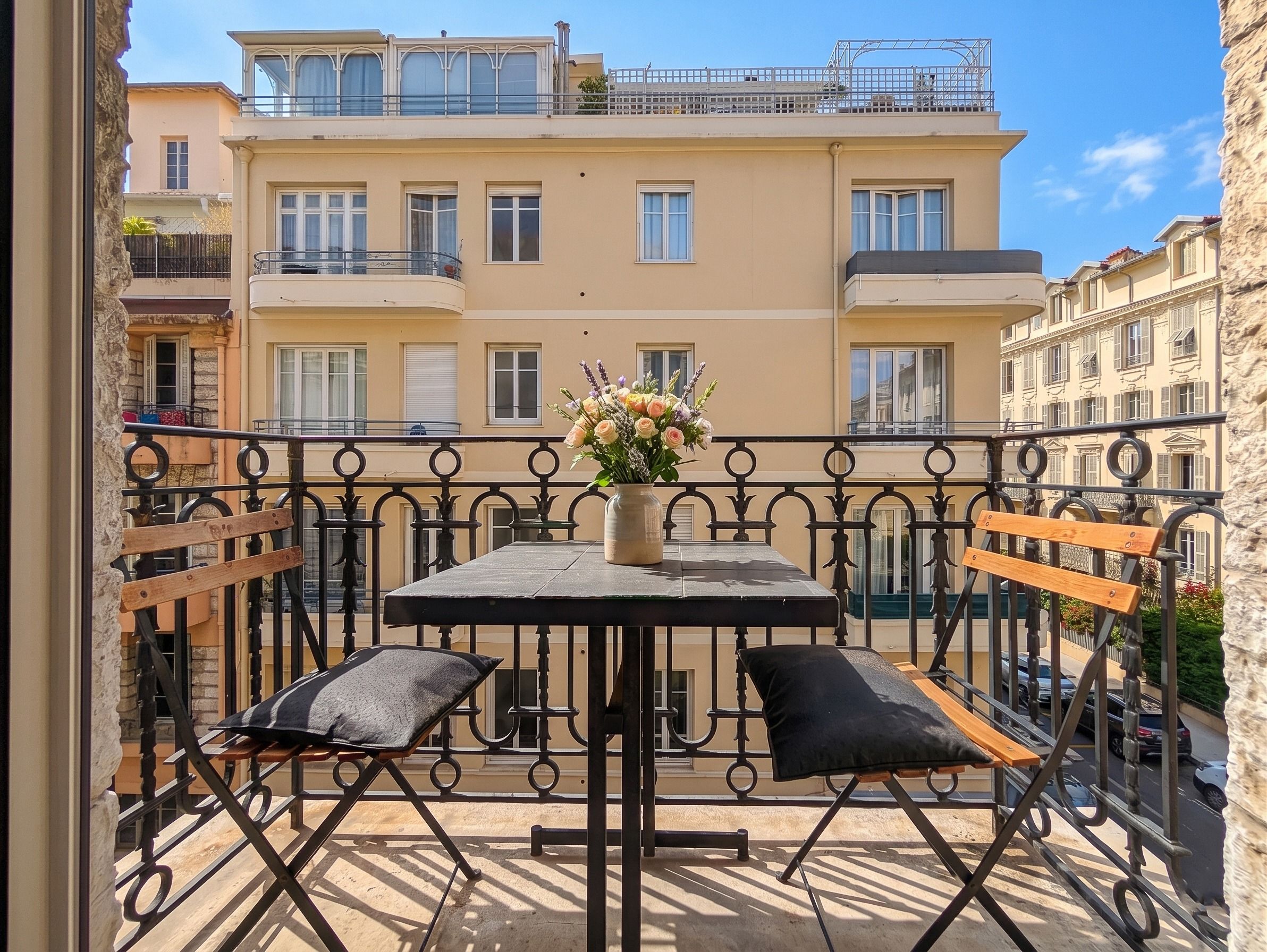
A useful valuation looks beyond broad city averages. It considers the exact address, floor, lift, condition of the common parts, orientation, outside space, noise, parking, charges and whether there is a clear view or merely a glimpse between buildings. In Nice, walking five minutes in a different direction can change the likely buyer, the daily atmosphere and the price per square metre.
The condition of the building matters too. A well-kept façade, sensible co-ownership finances and planned works that have already been explained can support confidence. Conversely, a lower asking price may be sensible where a building faces major roof, lift or façade expenditure. It is better to account for a known issue clearly than to leave a buyer to discover it late in the process.
Prepare the flat before photography
Selling does not always mean renovating. Many owners spend money on improvements that do not materially change the sale price, especially when buyers will want to choose their own kitchen or decorative scheme. The better question is whether a small investment will make the property easier to understand and easier to trust.
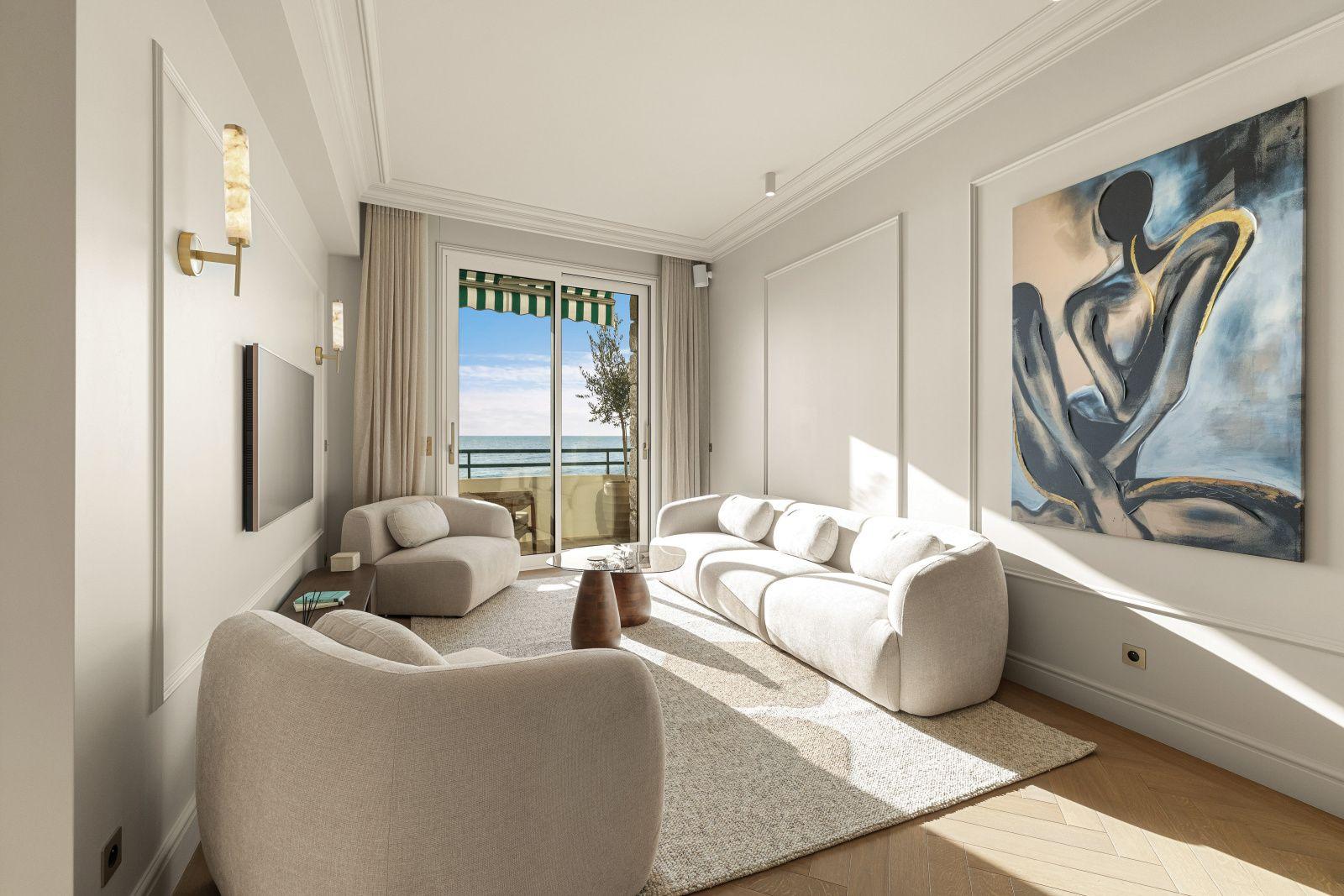
Fresh paint in a tired entrance hall, repaired shutters, working lights and a thorough clean can make a significant difference. Remove personal clutter, but do not strip the home of its character. A flat with original tiles, mouldings or a well-proportioned salon should still feel like a real place to live, not an empty shell.
Presentation should be accurate. Wide-angle photography that makes rooms appear larger than they are, or descriptions that imply a sea view from a distant corner, create disappointment at the viewing. Serious buyers appreciate clarity. Good photographs, an exact floor plan and a description that explains the strengths and limitations of the property help the right people decide to visit.
For an owner living abroad, this stage needs a practical plan. Keys, access for photography, cleaning, minor repairs and viewings all require someone reliable locally. A single adviser who takes responsibility for the process can prevent the small delays that otherwise become weeks.
Have the French sale documents ready early
In France, buyers receive substantial information about a flat before they commit. This is especially relevant for property in a copropriété, which includes most flats in Nice. Gathering the paperwork early allows questions to be answered properly and reduces the risk of renegotiation after an offer has been accepted.
The usual file includes the title deed, recent property tax and taxe d’habitation information where applicable, energy performance report (DPE), diagnostics, floor area under the Carrez law, and the documents relating to the co-ownership. Buyers commonly want the rules of the building, recent meeting minutes, details of service charges, the maintenance fund and information about voted or anticipated works.
The DPE deserves particular attention. Energy ratings can influence a buyer’s financing, renovation plans and view of future running costs. If the rating is weak, it does not automatically prevent a sale, but the wording and price should reflect the reality. An older Niçois building with high ceilings, period windows and a north-facing aspect will not appeal to every buyer for the same reasons as a newer, air-conditioned flat.
Your notaire will ultimately handle the legal completion, but early coordination between seller, agent, syndic and notaire makes the transaction calmer. If you are selling from outside France, a power of attorney may be possible in some circumstances, though the arrangements should be discussed well ahead of signing.
Choose exposure that matches the property
The largest audience is not always the best audience. A family flat near the schools and gardens of Cimiez needs a different presentation from a compact holiday base near the Promenade des Anglais. A buyer from Paris may focus on train access and ceiling height; a Scandinavian buyer may ask about winter sun, air conditioning and how the building is managed when they are away.
International marketing can be valuable in Nice because many buyers begin their search from abroad. But it must be paired with local qualification. Viewings should not be treated as a numbers game. A well-briefed buyer who understands the quarter, the building and the likely timetable is more likely to make a considered offer.
It is also worth deciding how viewings will work before the property is launched. Occupied homes need reasonable notice and a clear arrangement for keys. Empty homes need to feel cared for. Where a tenant is in place, there may be notice periods and pre-emption considerations, so timing needs careful advice rather than assumptions.
Negotiation is about terms, not only price
The strongest offer is not always the highest number on paper. A buyer’s funding, proposed completion date, conditions and understanding of the property can all affect the likelihood of reaching the acte authentique. A cash buyer with a clear timetable may be preferable to a higher offer subject to uncertain finance, though every situation is different.
Once a price is agreed, the compromis de vente sets out the conditions of the sale. Buyers often have a finance condition, and both sides may need time for the notaire to complete searches and prepare the file. Three months is a common working timeframe, but it can be shorter or longer depending on the parties, title issues and the complexity of the co-ownership documents.
Calm negotiation protects the sale. If a buyer raises a concern after receiving the documents, the answer may be a clear explanation, a revised timetable or, occasionally, a sensible adjustment. It should not be an automatic concession. The aim is to keep the transaction moving without giving away value unnecessarily.
Plan for costs and tax before you accept an offer
Before committing to a sale price, establish the likely net proceeds. This means considering agency fees, notaire-related discharge costs if there is a mortgage, outstanding co-ownership charges and any agreed works. If the property is not your principal residence, French capital gains tax may also apply, with the outcome depending on ownership period, residency and individual circumstances.
Tax is an area where assumptions can be expensive. Non-resident sellers may have additional formalities, and rules can change. Your notaire and, where appropriate, a tax adviser should confirm the position before you make decisions based on an expected net figure.
Warde Property works with a limited number of sellers so that valuation, presentation, buyer feedback, negotiation and the path to the notaire are handled by one accountable adviser rather than passed between departments.
A sale that feels properly managed
A well-run sale is not necessarily a fast sale at any cost. It is one where the price is grounded in evidence, the property is presented truthfully, buyers receive the information they need and you know what is happening at each stage. That matters even more when you are managing a French property from another country.
Nice rewards attention to detail. The ochre lanes of Old Nice, the baroque squares around Garibaldi and the quiet Belle Époque streets of Cimiez each attract different people for different reasons. Give your flat a clear, credible place in that picture, and the right buyer has a far better chance of recognising its value.

Written by Joacim Örhall, Property Advisor & Director.