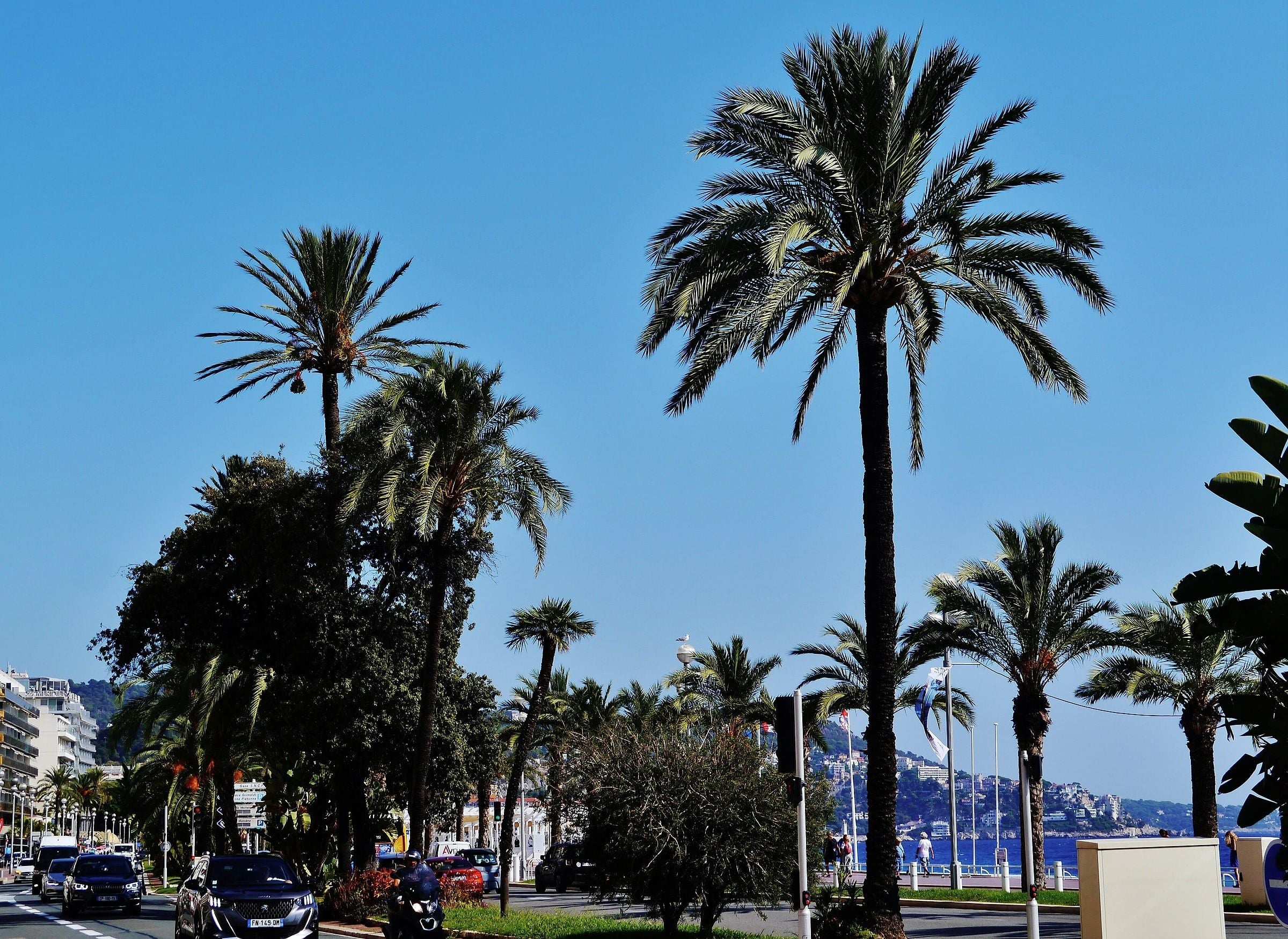
Nice, Cannes or Villefranche: where to buy on the French Riviera
Photo: Zairon · CC BY-SA 4.0 · edited
Photo: Zairon · CC BY-SA 4.0 · edited
Three addresses, three ways of living by the same sea. A city that works all year, a resort with a famous calendar, and a small harbour town between the two. Here is how they compare, and how to choose.

Most people who decide to buy on the French Riviera begin with a region, not an address. Then the real question arrives: where, exactly? Three names come up more than any others among the buyers we meet, and they could hardly be more different.
This guide compares Nice, Cannes and Villefranche-sur-Mer as places to own a home. There is no best one, only the one that fits how you intend to live there.
Start with how you will use the home
- All year, or for long stays: you need a place that is alive in November and February, with doctors, shops and transport that do not depend on the season.
- A few weeks in summer: the beach, the view and the terrace matter more than the winter.
- Partly as an investment: you need steady demand from tenants, and you need to know the local rules for letting before you buy.
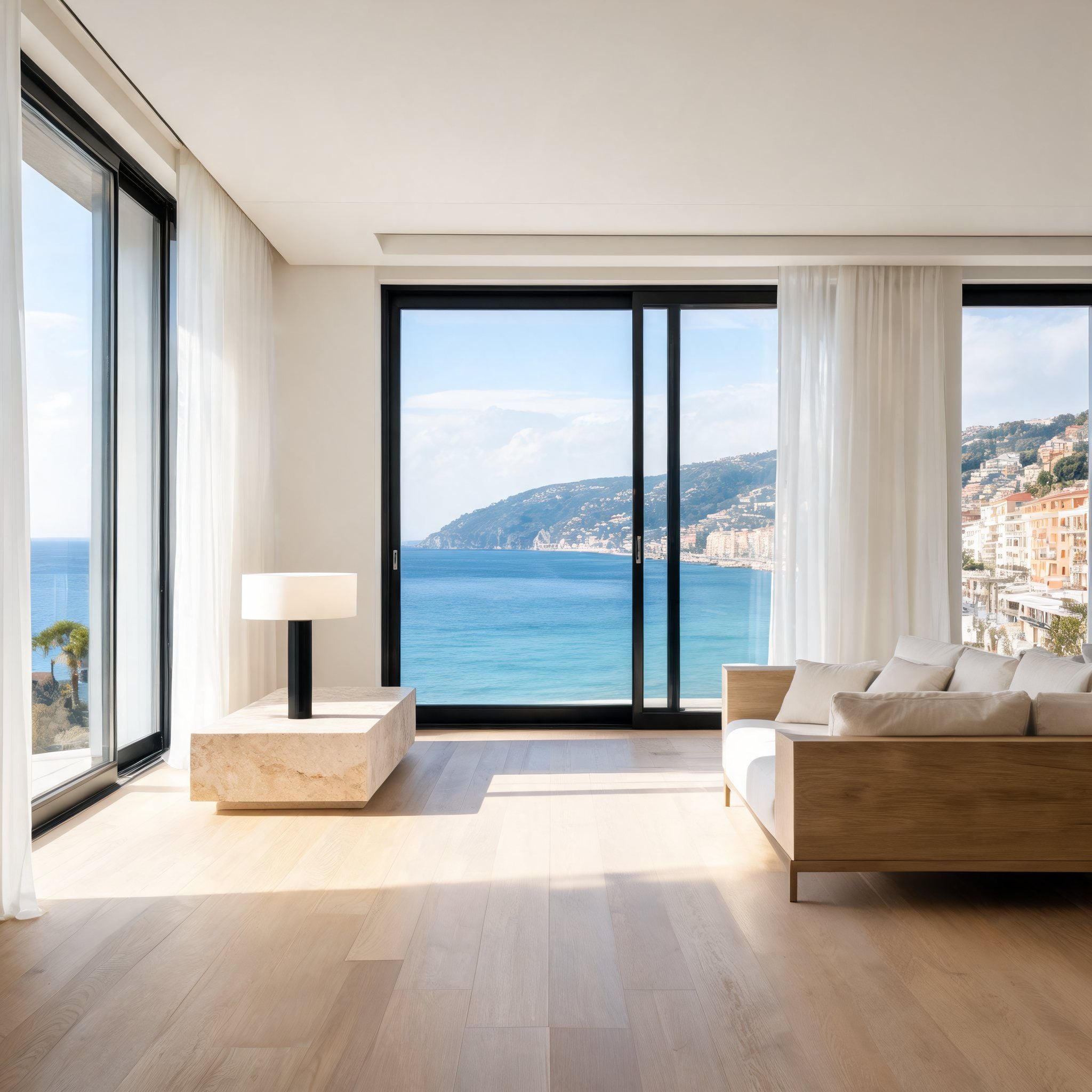
Nice: a city that works all year
Nice is the capital of the Riviera and by far its largest city. It has a university, hospitals, an opera, museums, markets and a restaurant scene that serves residents rather than visitors. In January the cafés on Cours Saleya are as full as in June.
It is also the easiest of the three to reach and to leave. The airport, the second busiest in France after those of Paris, is at the western end of the Promenade des Anglais, and a tram runs from the terminals through the centre to the port. Trains along the coast leave from the centre of town.
The property market is the widest: Belle Époque apartments in the centre, lanes and vaulted ceilings in the Old Town, modern residences along the Promenade, villas on Mont Boron and in Cimiez. Our guide to the neighbourhoods of Nice goes through them one by one.
Nice suits you if you want to live without a car, stay for long periods, or want a home that is as pleasant in winter as in summer.
Cannes: glamour with a calendar
Cannes is smaller, glossier and more seasonal. Life centres on La Croisette, the palm-lined boulevard along the bay, with the old quarter of Le Suquet above the harbour at one end and the Palm Beach headland at the other. Behind them, the hills of La Californie and Super Cannes hold the large villas.
What sets Cannes apart is its calendar. The film festival in May is the best known, but the Palais des Festivals hosts trade fairs and congresses through much of the year, and each brings thousands of visitors who need somewhere to stay. That demand shapes the market: apartments near the Croisette and the Palais are bought as much for what they earn as for the pleasure of using them.
Cannes has sandy beaches, which Nice does not, and a more resort-like feel. In return it is quieter outside the events, and further from the airport: about half an hour by train from Nice, or by car on a clear road.
Cannes suits you if you want sand, a holiday atmosphere and the option of letting during the festival and congress weeks.
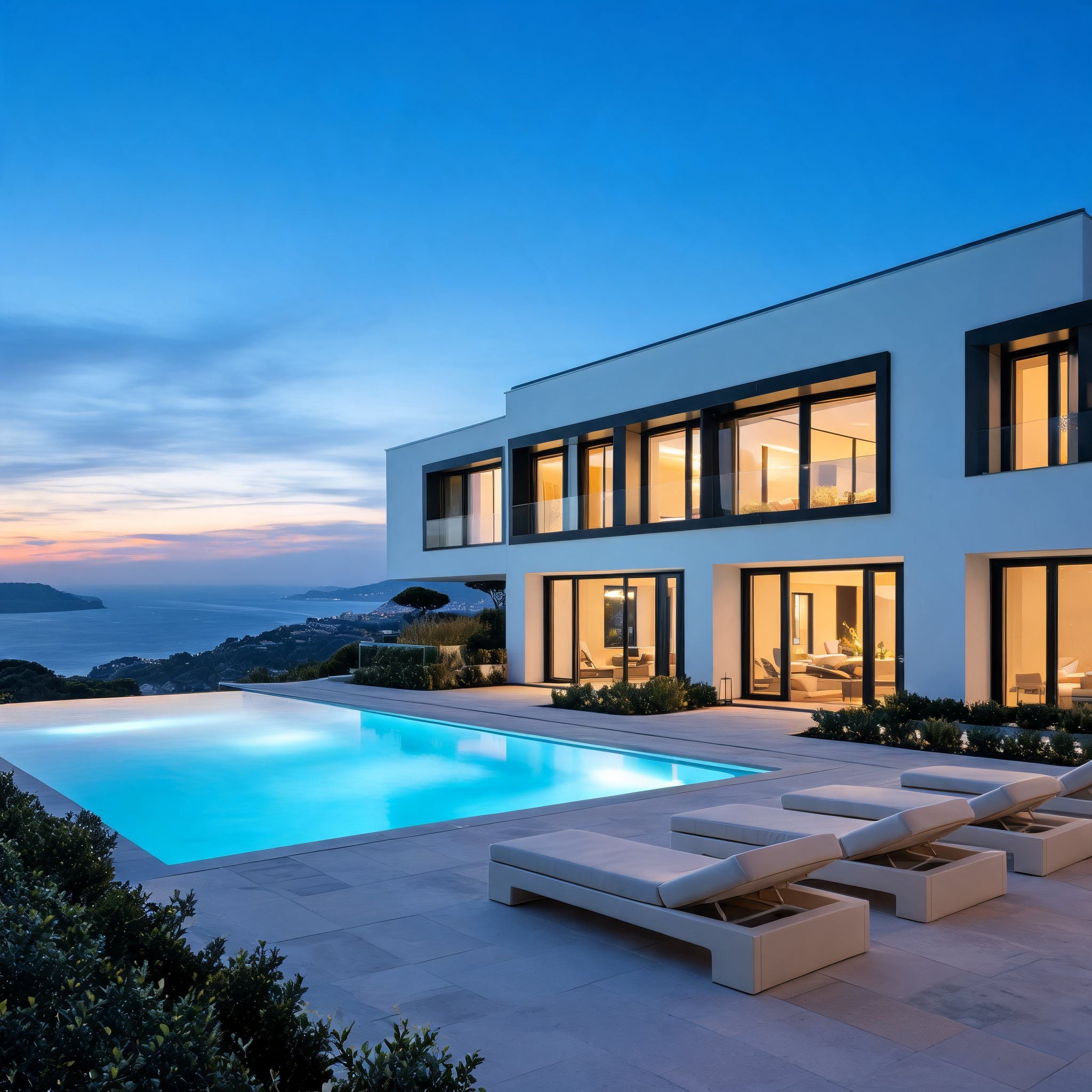
Villefranche-sur-Mer: a harbour town next door
Villefranche lies in the next bay east of Nice, on the far side of Mont Boron. It is a small town of a few thousand inhabitants around one of the deepest natural harbours on the Mediterranean, with a sixteenth-century citadel, an old town of stepped lanes and a waterfront of restaurants facing Cap Ferrat.
It feels like a village and is ten minutes from a city: the train to Nice takes well under a quarter of an hour, and the port of Nice is a short drive along the coast road. The beach is in the middle of town.
The market is small. Apartments in the old town are full of character and short of light and parking; the hillside above has apartments and villas with wide views over the bay. Few homes come up for sale in any given year, so buyers here need patience, and to be ready when the right one appears.
Villefranche suits you if you want the calm and beauty of a small harbour, with Nice close enough for everything else.
Side by side
Nice | Cannes | Villefranche | |
|---|---|---|---|
Character | A real city | A resort town | A harbour village |
Out of season | Lively | Quiet between events | Very quiet |
To the airport | Tram, minutes | About half an hour | About half an hour |
Beach | Pebbles | Sand | Fine gravel, in town |
Without a car | Easy | Easy in the centre | Possible, with the train |
Choice of property | Widest | Wide | Limited |
How to choose
Spend time in each out of season before you decide. A place you love in July can feel very different on a Tuesday in February, and that is when you learn whether you would actually use the home. Walk from the address you are considering to the baker, the station and the sea, and see how long each takes.
The buying process is the same wherever you choose. Our step-by-step guide to buying and our overview of what it costs apply along the whole coast.
Frequently asked questions
Is Nice or Cannes better for buying property?
Nice is better for living all year and for getting around without a car; Cannes for a resort atmosphere, sandy beaches and letting during its festivals and congresses.
How far is Villefranche-sur-Mer from Nice?
It is the next bay to the east: a few minutes by train and a short drive along the coast road from the Port of Nice.
Which town on the French Riviera is best for living all year?
Nice, for most people. It is a working city with services, culture and transport that do not depend on the season.
Can foreigners buy property in Nice, Cannes and Villefranche?
Yes. There are no restrictions on foreign buyers anywhere in France, and the process is the same in all three.
Not sure which is right for you? Tell us how you plan to use the home, and we will suggest where to start looking.
This article provides general information and does not constitute legal or tax advice. Rules, rates and thresholds change; always confirm the details of your own sale or purchase with your notaire or tax adviser.
Buying on the French Riviera
How a purchase works in France, the costs to plan for beyond the price, and how to choose the right area.
More from Articles
Selling your home in Nice: the process, step by step
From the first valuation to the day the keys change hands, selling a home in France follows a clear path. Here is what happens at each step, what you need to prepare, and how long it takes.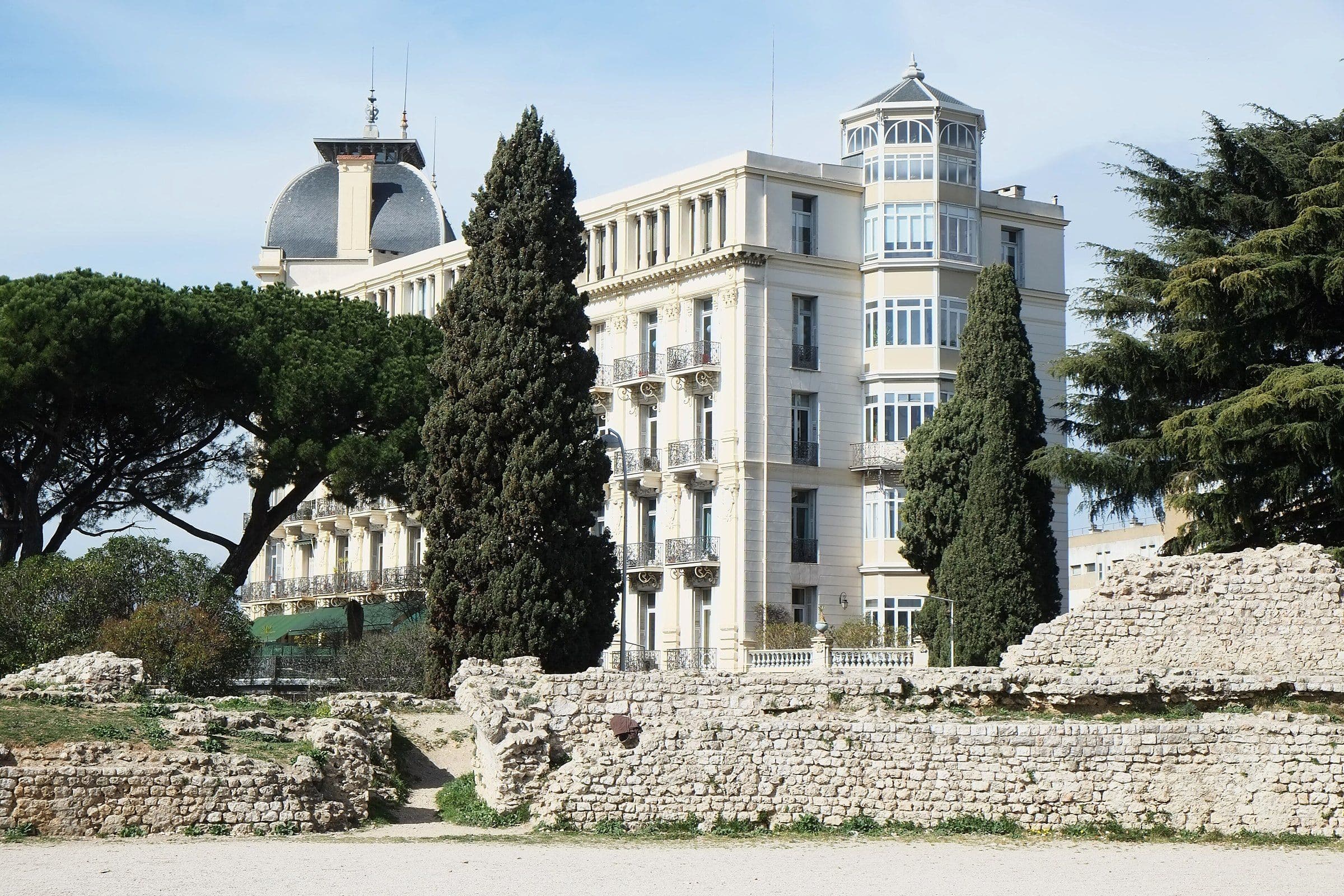
Buying a Belle Époque apartment in Nice: what to look for
High ceilings, mouldings, parquet and wrought-iron balconies: the Belle Époque apartment is the classic home of Nice. Here is where to find them, what makes a good one, and what to check before you buy.