Buying property in Nice, from the first search to the keys
Learn how to buy property in Nice with clear guidance on neighbourhoods, financing, offers, notaires, taxes, and settling into Riviera life with confidence.

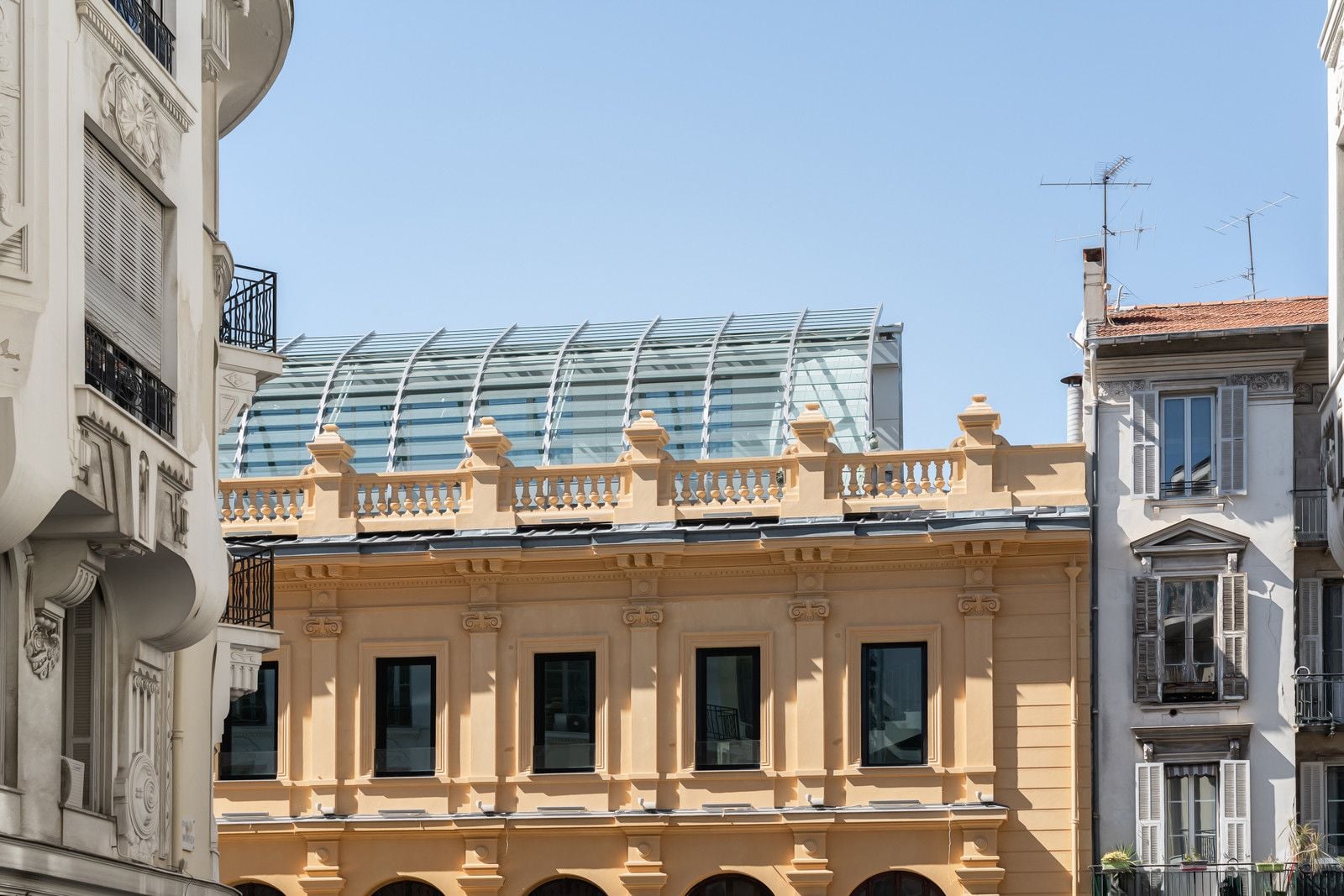
A top-floor terrace above the Port, a Belle Époque apartment in Cimiez, or a quiet pied-à-terre near the sea can feel like an immediate yes.
But knowing how to buy property in Nice means looking beyond the first view. The right purchase depends on how you intend to live, what the building requires of its owners, and the practical realities of a French transaction.
Nice is not one market. It is a city of distinct quarters, each with its own rhythm, architecture, access, and buyer profile. A considered approach gives you room to enjoy the search while protecting the decisions that matter most.
Start with the life you want in Nice
Before setting a budget, define the role the property will play. A second home used for long weekends has different priorities from a family residence, a retirement base, or an investment intended for seasonal rentals. Be honest about the details: Will you want to walk to restaurants every evening? Do you need an elevator, parking, a garden, or easy access to the airport? Is year-round sun more important than being in the historic center?
The Carré d’Or and Musiciens appeal to buyers who want a central apartment within easy reach of the Promenade des Anglais, shops, and restaurants. The Port offers village-like energy, changing waterfront views, and increasingly stylish addresses. In Old Nice, ochre lanes and baroque squares create an atmosphere that is hard to reproduce elsewhere, although access, noise, and the absence of elevators can be part of the trade-off.
Cimiez offers a calmer, more residential setting, with grand period buildings, gardens, and proximity to respected schools. Mont Boron and Cap de Nice attract those seeking sea views, villas, and a more private setting among the pines. Libération, Riquier, and Saint-Roch can provide more space and a strong local feel, often with better value than the most established central addresses.
A neighbourhood visit should happen at more than one time of day. A peaceful street at 11 a.m. may be a busy restaurant terrace at 10 p.m.; a spectacular view may come with a steep walk or limited parking. Local knowledge is less about naming fashionable areas and more about understanding one block, one building, and one side of the street.
Set a realistic all-in budget
The purchase price is only one part of the financial picture. For a resale property, buyers should generally allow approximately 7 to 8 percent of the price for notaire fees and registration taxes. New-build properties can have lower acquisition costs, often around 2 to 3 percent, although VAT and the terms of the development need careful review.
Agency fees should also be clear from the outset. In France, they may be paid by the buyer or seller depending on the listing and agreed terms. If they are payable by the buyer, they are normally shown separately in the advertised price. Ask for a full written breakdown before making an offer.
Then consider ongoing ownership costs. These may include condominium charges, property tax, insurance, utilities, management fees, and maintenance. A building with an elevator, concierge, landscaped grounds, or a pool can be a pleasure to own, but it can also carry higher quarterly charges. For second-home owners, local occupancy taxes may also apply. The position can change, so obtain current advice for your circumstances.
If you are financing from abroad, speak to lenders and currency specialists early. French banks can lend to nonresidents, but underwriting, deposit expectations, documentation, and timelines vary. Financing is often slower than buyers expect, particularly when income is earned in another currency or through a company structure. A cash buyer still needs to document the source of funds under French anti-money-laundering rules.
Build the right local buying team
International buyers are permitted to buy French property. The process is familiar, but the language, legal framework, and sequence of documents can feel unfamiliar without local support. A notaire is essential: this public legal professional oversees the contract process, carries out prescribed searches, collects funds, and registers the completed sale.
The notaire is impartial rather than a buyer’s personal negotiator. Buyers who want dedicated guidance during the search and negotiation may choose a buyer’s agent. This can be especially valuable in Nice, where desirable homes may sell quietly, listings can be incomplete, and the condition of a condominium building may matter as much as the apartment itself.
You may also need an independent lawyer for inheritance planning, ownership structures, tax residency questions, or a more complex purchase. French succession rules and tax treatment can have consequences for international families. Address these issues before signing a binding contract, not after the keys are handed over.
Search carefully, then investigate the building
A compelling apartment deserves a second layer of questions. Ask for the diagnostics dossier, which can include reports on energy performance, lead, asbestos, electricity, gas, and natural risks, depending on the property. For older buildings in central Nice, these reports can reveal practical future costs as well as compliance issues.
For a condominium property, review the most recent meeting minutes, the budget, current charges, any planned major works, and the building rules. Is façade restoration planned? Has the roof been discussed? Are short-term rentals restricted? Is air conditioning permitted, and if so, has the building approved exterior units? These are not minor points in a city where heritage façades, shared buildings, and summer temperatures shape daily life.
Measure the property against your actual needs. In France, the stated living area follows a legal measurement standard and may not include every terrace, cellar, or low-ceiling area that contributes to the lifestyle appeal. Confirm what is included in the sale, whether the parking space has separate legal status, and whether sea views or sunlight could be affected by nearby development.
How to buy property in Nice once you find the right home
The formal process usually begins with a written offer stating the price, proposed conditions, and often a validity period. A verbal understanding is not enough. The offer should be prepared thoughtfully because it can become binding once accepted.
Once terms are agreed, the parties sign a preliminary contract, commonly called a compromis de vente. This document sets out the property, price, completion date, and conditions that must be met before the sale can proceed. A buyer usually pays a deposit of around 5 to 10 percent into the notaire’s client account at this stage.
Private buyers benefit from a statutory 10-day withdrawal period after receiving the signed preliminary contract. During this time, they may withdraw without giving a reason. Afterward, the transaction is governed by the contract and its conditions.
A financing clause is particularly important when a mortgage is required. It should describe the loan amount, term, and other relevant parameters. If financing cannot be secured despite proper efforts within the agreed conditions, the buyer can normally withdraw and recover the deposit. Other conditions may address planning permissions, the sale of another property, or specific due diligence concerns.
The notaire then conducts the required searches and prepares for completion. A straightforward purchase often completes in two to three months, though timing can change with financing, probate matters, co-owner documentation, or a seller’s onward plans. Before signing the final deed, arrange insurance, ensure funds are transferred in time, and carry out a final viewing to confirm the property is in the agreed condition.
Plan for ownership, not just completion
The moment after signing is often when an overseas purchase becomes most real. Utilities, internet, insurance, bank arrangements, furniture deliveries, renovation scheduling, and condominium introductions all require coordination. If the apartment will remain empty for parts of the year, arrange someone local to receive mail, monitor the property, and respond if a leak or building issue arises.
Renovation deserves patience. Nice has excellent craftspeople, but schedules can be shaped by condominium permissions, holiday periods, access constraints, and the age of the building. Obtain written scopes and estimates, confirm who is responsible for permissions, and avoid assuming work can begin the day after completion.
At Warde Property, a limited-client approach allows buyers to receive practical support through these stages, from identifying the right street to coordinating the details after signing. The goal is not simply to secure a property, but to make sure it remains the right decision once you begin living in it.
The best Nice purchases tend to feel less like a rushed Riviera dream and more like a well-observed choice: the morning light is right, the building is sound, the neighbourhood suits your life, and the paperwork supports the promise of the view.
More from Articles
How off market properties in Nice, France work
Learn how off market properties in Nice, France are sourced, assessed, and secured with discreet local guidance for buyers who value the right fit well.
What a buyer’s agent does for you on the Riviera
A French Riviera buyer agent brings local search, candid advice, negotiation, and support through the notaire process for buyers purchasing with clarity.
How off market properties in Nice, France work
Learn how off market properties in Nice, France are sourced, assessed, and secured with discreet local guidance for buyers who value the right fit well.What a buyer’s agent does for you on the Riviera
A French Riviera buyer agent brings local search, candid advice, negotiation, and support through the notaire process for buyers purchasing with clarity.