Buying in France from the United States: costs, financing and timing
Buying property in France from USA requires more than choosing a Riviera view. Learn the legal, financial, and local steps to help protect your purchase.

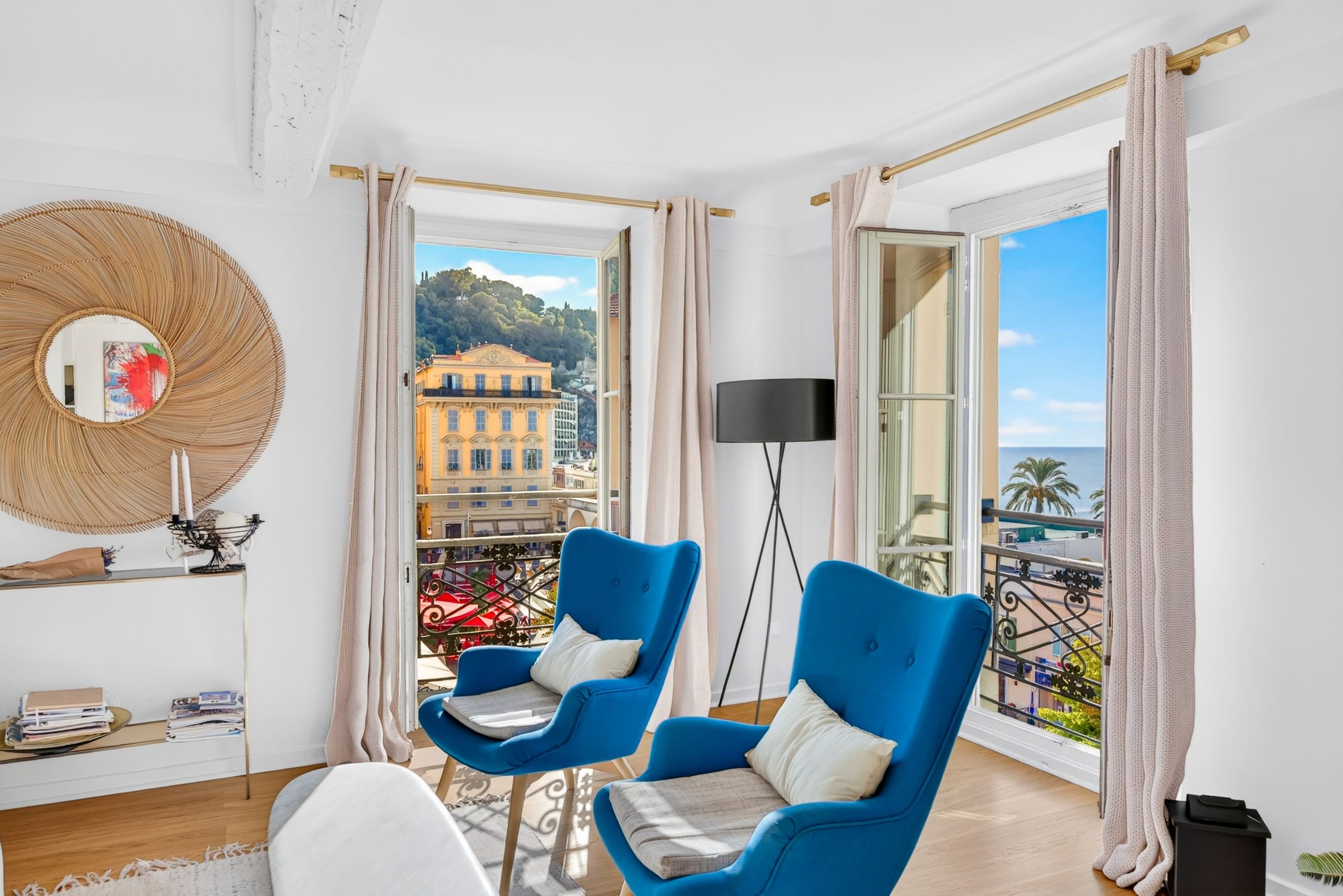
A sunlit terrace above the Baie des Anges can make a purchase feel wonderfully simple.
But buying property in France from USA is not just a lifestyle decision - it is a French legal transaction, a cross-border financial commitment, and, on the Côte d’Azur, a highly local choice. The right apartment in Nice may be two streets away from one that looks similar online yet lives, rents, and holds value very differently.
For American buyers, the process is entirely achievable. France places no broad restriction on foreign ownership of residential property. What matters is preparing the right team, understanding the costs before making an offer, and allowing enough time for the French system to do its work.
Buying property in France from USA starts with the right brief
Before arranging viewings, be precise about how you intend to use the property. A lock-up-and-leave pied-à-terre, a family base for school holidays, a year-round relocation home, and an investment apartment each call for different priorities.
In Nice, neighbourhood choice is rarely cosmetic. The ochre lanes and baroque squares of Old Town offer character, restaurants, and immediate access to the sea, but can bring pedestrian access constraints and livelier evenings. Cimiez offers calm avenues, period buildings, and proximity to schools and museums. The Carré d’Or places you close to beaches, shops, and the energy of central Nice, while Mont Boron and Cap de Nice provide greenery, views, and a more residential rhythm.
A listing can tell you the square footage and the number of bedrooms. It cannot always explain whether a terrace receives afternoon sun, whether a building’s elevator reaches the apartment level, how a street changes in August, or whether a planned building project may alter the outlook. For a remote buyer, these details should be checked rather than assumed.
It also helps to set a complete budget, not simply a property price. Your budget should account for acquisition costs, any agency fee not included in the advertised price, furnishing, insurance, possible renovations, and annual holding costs. If the purchase is funded in dollars, leave room for currency movement between the offer and completion.
Understand the French purchase costs upfront
For an existing French property, buyers commonly budget approximately 7 to 8 percent of the purchase price for notaire fees and related transfer taxes. Despite the familiar name, most of this money is tax and registration cost rather than the notaire’s personal fee. New-build properties can have lower acquisition costs, often around 2 to 3 percent, although VAT and the terms of the specific sale must be reviewed carefully.
The notaire is a public legal officer who prepares and authenticates the deed, checks title and certain legal matters, collects taxes, and registers the purchase. A notaire is impartial. That is a strength in the transaction, but it also means the notaire is not a substitute for a buyer representative focused on your price, property criteria, negotiation position, and practical concerns.
For apartments, buyers should pay particular attention to the copropriété, France’s co-ownership structure. Ask to review the building rules, recent meeting minutes, annual charges, reserve funds, and any approved or discussed major works. A handsome Belle Époque façade may be part of the appeal, but roof repairs, façade restoration, elevator upgrades, and energy-improvement projects can be material costs.
The mandatory technical reports, known as diagnostics, deserve careful reading as well. They cover matters such as energy performance, lead or asbestos where relevant, electricity, gas, and natural risks. A low energy rating does not automatically rule out a purchase, especially in a character building, but it may affect renovation plans, operating costs, and future rental options.
Financing from the United States takes early preparation
Cash buyers should be ready to document the source of funds. French compliance requirements are thorough, particularly when money is arriving from abroad. Expect requests for bank statements, evidence of how funds were accumulated, and identification documents. Providing organized records early can prevent avoidable delays once an offer is accepted.
If you plan to use a French mortgage, begin discussions before actively bidding. Nonresident lending remains available in many cases, but loan terms, deposit requirements, income assessment, insurance, and documentation can differ sharply from a U.S. mortgage process. Lenders may request U.S. tax returns, employment information, asset statements, and translated documents. Your borrowing capacity should be established before a seller takes your offer seriously.
Currency is another practical decision. A shift in the dollar-euro rate can change the effective dollar cost of a home by a meaningful amount. Some buyers transfer funds as milestones arise; others seek professional currency guidance and arrange a strategy in advance. There is no single correct approach, but waiting until the final days before signing is rarely the most comfortable one.
American citizens should also take tax advice from professionals familiar with both countries before proceeding. Owning French property can involve French local taxes, possible wealth-tax considerations for larger real-estate holdings, rental-income rules, and U.S. reporting obligations. The structure that suits a personal second home may not suit a rental investment or a family estate plan.
The offer-to-completion timeline in France
Once you have found the right home, the usual first step is a written offer. In a competitive Riviera market, the quality of the offer matters alongside the price. Sellers will want confidence in your financing, timing, and ability to proceed from overseas.
If the offer is accepted, the parties generally sign a preliminary agreement, often called a compromis de vente. This document sets out the price, conditions, property details, and proposed completion date. It may include conditions precedent, such as obtaining a mortgage or resolving a legal point. These clauses should be drafted thoughtfully, not treated as standard wording.
Private buyers of residential property receive a statutory 10-day cooling-off period after notification of the preliminary agreement. After that period, a deposit is typically paid to the notaire’s client account, often around 5 to 10 percent of the price. The notaire then carries out the legal searches and prepares the final deed.
Completion often takes two to three months, though timing can be longer if financing, inheritance, planning matters, or complex ownership issues are involved. Many buyers sign the final acte de vente by power of attorney if they cannot return to France. Others choose to attend in person, particularly when taking possession of a home they have visited only once or twice.
Buying remotely does not mean buying blindly
A video tour is useful, but it should not be the whole due-diligence process. A good local representative can inspect the property with a buyer’s priorities in mind, confirm practical dimensions, assess noise and access, ask direct questions of the seller’s agent, and report what the camera may miss.
This is particularly valuable for Riviera apartments, where floor level, orientation, building position, parking access, and exterior space can have an outsized effect on everyday enjoyment and resale appeal. Two homes with the same postal code and similar asking price can offer very different experiences.
Negotiation also benefits from local context. An asking price may reflect recent sales in the building, a seller’s timeline, a scarce view, or simply an ambitious launch strategy. The right offer is not always the lowest possible number. It is an offer supported by evidence, structured with sensible conditions, and presented in a way that makes a seller comfortable choosing you.
Plan for ownership after the keys are handed over
The final signature is the legal finish, not the practical finish. You will need insurance in place, utilities transferred, and a clear plan for keyholding, mail, maintenance, and, where relevant, renovation oversight. If the apartment is within a co-ownership building, you will also receive information about the property manager and the calendar of charges.
For buyers who will spend only part of the year in France, reliable local contacts make ownership far easier. A dependable insurance broker, bank contact, contractor, and property manager can turn a distant home into one that feels genuinely usable. For renovations, it is wise to establish scope, permissions, timelines, and accountability before work begins, especially in older buildings.
A French home should feel like a pleasure, not a project conducted from 4,500 miles away. Start with a clear brief, test every assumption on the ground, and give yourself the benefit of informed local advice before the view persuades you to move too quickly.
More from Articles

Buying property in Nice, from the first search to the keys
Learn how to buy property in Nice with clear guidance on neighbourhoods, financing, offers, notaires, taxes, and settling into Riviera life with confidence.
How off market properties in Nice, France work
Learn how off market properties in Nice, France are sourced, assessed, and secured with discreet local guidance for buyers who value the right fit well.
Buying property in Nice, from the first search to the keys
Learn how to buy property in Nice with clear guidance on neighbourhoods, financing, offers, notaires, taxes, and settling into Riviera life with confidence.How off market properties in Nice, France work
Learn how off market properties in Nice, France are sourced, assessed, and secured with discreet local guidance for buyers who value the right fit well.